
Why Does My Dehumidifier Smell Bad?
A dehumidifier can develop unpleasant odors due to moisture buildup and internal contamination. Over time, collected water in the tank, along with dust and airborne particles, creates an ideal environment for mold and bacteria growth. This often leads to musty or damp smells. If the unit is not cleaned regularly or is used in a high-humidity area, these odors can become more noticeable and persistent.
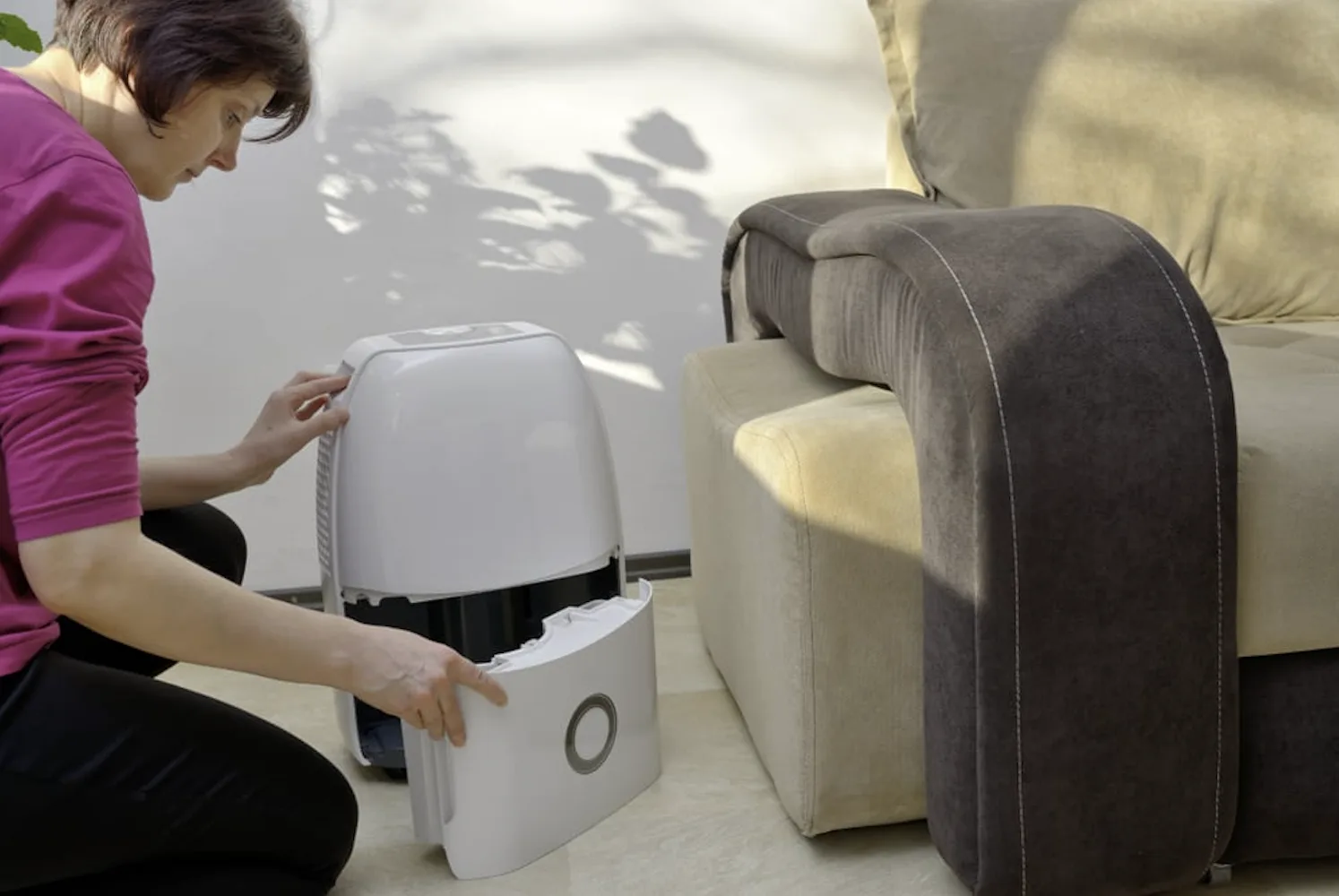
Why Does a Dehumidifier Smell Bad? Common Causes
A dehumidifier may develop unpleasant odors for several common reasons, most of which are related to moisture buildup, lack of cleaning, or surrounding environmental conditions. Stagnant water in the tank can create bacteria and mildew smells, while dirty filters may trap dust and odors that are released during operation. Internal components such as coils can also remain damp and develop mold over time. In some cases, drainage hoses may allow sewer-like smells to return, and sometimes the room itself already contains musty odors that the unit simply circulates. Identifying the source of the smell is the first step toward restoring clean and efficient operation.
| Odor Type | Common Causes |
|---|---|
| Musty Odor | Mold growth in water tank/evaporator |
| Sour Odor | Bacteria breeding in stagnant water |
| Sewer Odor | Drain pipe odor backflow |
| Plastic Odor | Normal phenomenon for new equipment |
| Burning Odor | Electrical failure |
Stagnant Water in the Tank
If water remains in the dehumidifier’s tank for an extended period, it creates a breeding ground for bacteria, mold, and microorganisms. This results in unpleasant odors—such as sour, musty, or putrid smells—which become particularly noticeable during hot and humid seasons.
Dirty Air Filter
The air filter captures and accumulates various airborne particles, including dust, hair, smoke residue, and pet dander.
If the filter is not cleaned for a long time, these trapped odors will be blown back out into the room during operation.
Moldy Evaporator / Condenser
The internal heat exchangers within the dehumidifier remain damp for prolonged periods. If the interior components do not dry out completely after the unit is switched off, mold can easily begin to grow.
This leads to musty, damp, or “basement-like” odors.
Odors from the Drain Hose
If a drain hose is being used, several issues can cause foul smells: accumulation of grime inside the hose, water backflow, or odors wafting back up from the sewer system.
Any of these factors can cause the dehumidifier to emit an offensive odor.
Existing Room Odors
When the dehumidifier is running, it circulates the air in the room. If the room itself already harbors odors—such as those from moldy walls, damp carpets, or moisture-affected closets—
the machine will draw in these existing smells and blow them back out.
New Machine”Plastic Odor”
During the initial period of use, a new dehumidifier may emit odors associated with new products—such as the smell of plastic, adhesives, or packaging materials.
These smells typically dissipate after the unit has been running for a few days.
Motor or Wiring Issues
If you detect smells such as burning, scorched wires, or burnt plastic—
it may indicate a technical issue with the dehumidifier, such as an overheating motor, an electrical circuit fault, a jammed fan, or similar malfunctions.
How to Remove Bad Smells from Your Dehumidifier?
To eliminate odors, start by turning off and unplugging the unit. Empty and thoroughly clean the water tank using mild soap or a vinegar solution. Wash or replace the air filter depending on its condition. For deeper cleaning, wipe internal components carefully and allow everything to dry completely before reassembly. Regular cleaning not only removes odors but also improves the efficiency of your dehumidifier.
You can follow these steps to address odor issues with your dehumidifier:
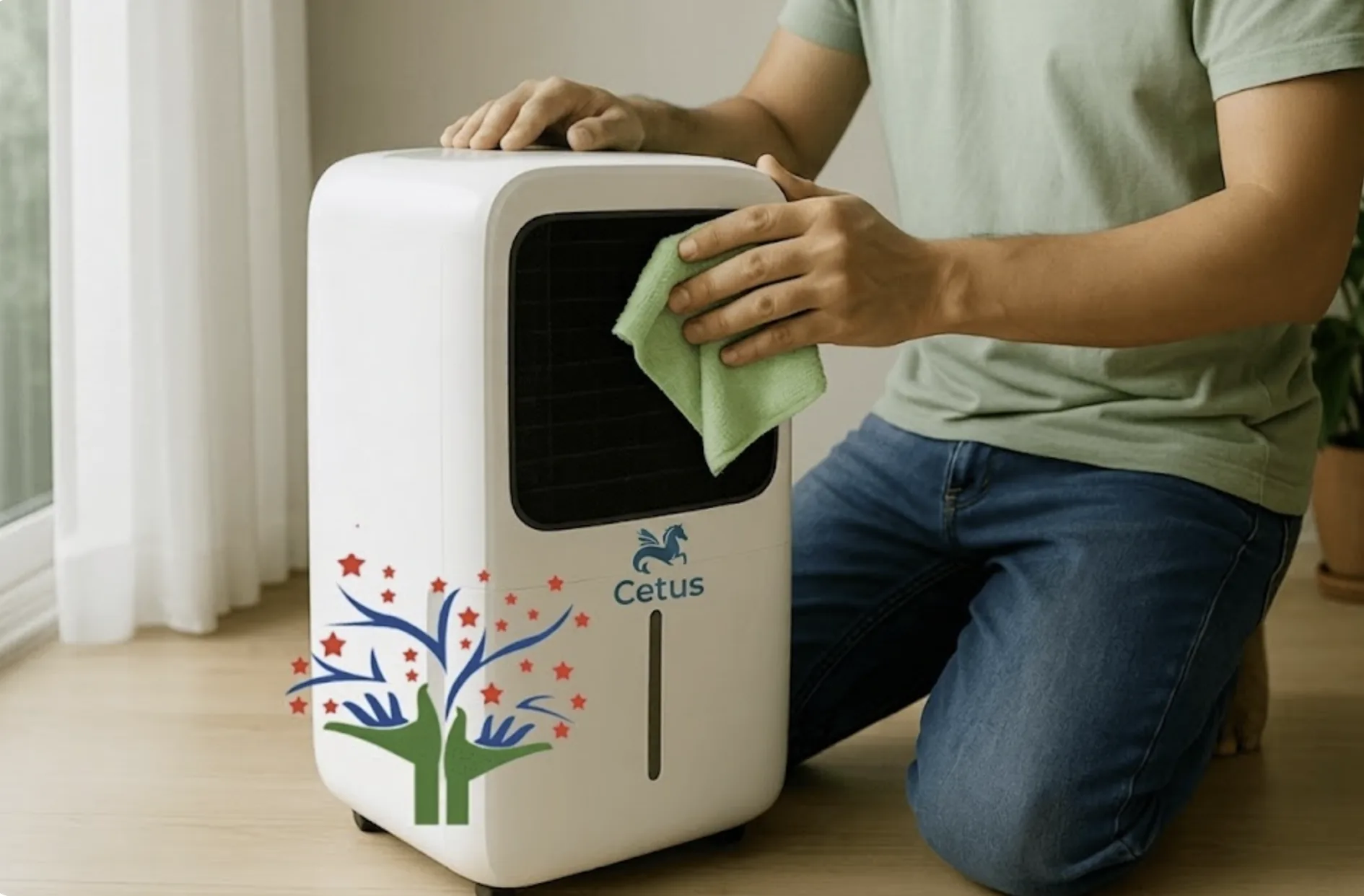
Clean the water tank.
Clean the air filter.
Allow the interior to air dry.
Check the drainage hose.
If you detect a burning smell, shut down the unit immediately.
Tips to Prevent Dehumidifier Smells in the Future
Preventing bad smells is easier with consistent maintenance. Empty the water tank frequently and avoid letting water sit for long periods. Clean the filter at least once a month and place the unit in a well-ventilated area. Choosing a dehumidifier with advanced filtration or anti-microbial features can also help reduce odor buildup and improve indoor air quality.
Choosing a High-Quality Dehumidifier Matters
Investing in a high-quality dehumidifier can significantly reduce the chances of odor issues. Modern units with advanced humidity control, antibacterial filters, and efficient drainage systems are designed to maintain cleaner air. Energy-efficient technology and smart sensors also ensure optimal performance while minimizing maintenance needs, making them a better long-term solution.
FAQ
What causes a musty smell in a dehumidifier?
It is usually caused by mold and bacteria growing inside due to trapped moisture.
How often should I clean my dehumidifier?
Cleaning every 2–4 weeks is recommended depending on usage and humidity levels.
Can a dirty filter cause bad smells?
Yes, a clogged or dirty filter can trap pollutants and produce unpleasant odors.
Is vinegar safe for cleaning a dehumidifier?
Yes, vinegar is a safe and effective natural cleaner for removing odors and bacteria.
Why does my dehumidifier smell like mildew?
This indicates mold growth inside the unit and requires immediate cleaning and drying.
About CetusDry
CetusDry is a professional manufacturer specializing in advanced dehumidification solutions. The company offers a wide range of products, including residential dehumidifiers, industrial dehumidification systems, and customized humidity control equipment for various applications such as homes, warehouses, and commercial environments.
With strong technical expertise, CetusDry focuses on energy-efficient compressor technology, intelligent humidity control systems, and antibacterial filtration solutions. The company is committed to delivering high-performance, durable products supported by strict quality control standards. In addition, CetusDry provides reliable customer service and technical support, helping clients achieve optimal air quality and humidity management across different industries.