
Where Should You Place a Dehumidifier in an Open-Plan Living Area for Best Results?
Proper dehumidifier placement in open-plan living areas directly impacts moisture removal efficiency and air quality throughout the space. Unlike closed rooms, open-plan layouts present unique airflow challenges that require strategic positioning to achieve optimal humidity control. This guide covers placement principles, common mistakes, and product recommendations for homeowners seeking effective moisture management in connected living spaces.
Understanding Airflow Dynamics in Open-Plan Spaces
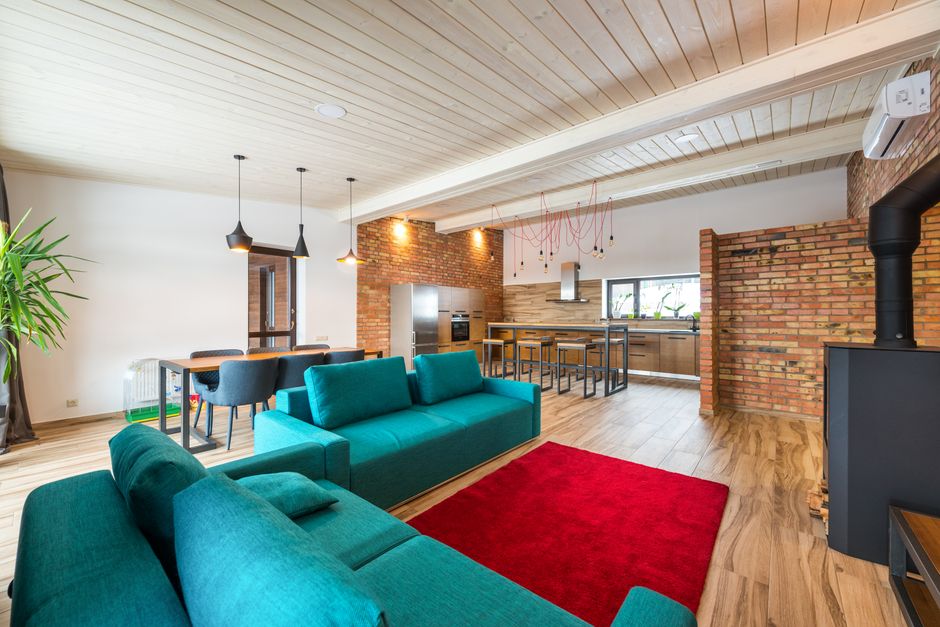
Open-plan living areas combine multiple functional zones, including living rooms, dining spaces, and kitchens, into a single contiguous area. This architectural approach creates unrestricted airflow that can distribute moisture throughout the space. According to the ISO 16000-21 standard for indoor air quality assessment, continuous air movement patterns in open layouts require consistent humidity control rather than localized treatment. Understanding these dynamics helps homeowners position their dehumidifiers where they can capture moisture before it spreads across zones.
Warm air rises and carries moisture toward ceilings, while cooler air settles near floors. This vertical movement creates humidity gradients that vary by location within the open-plan area. Kitchens and bathrooms typically generate more moisture through cooking and bathing activities, making these zones primary moisture sources. Living areas with windows experience condensation during temperature shifts, contributing to ambient humidity levels that affect the entire space.
Optimal Placement Zones for Maximum Efficiency
Strategic dehumidifier placement in open-plan living areas follows three primary principles: proximity to moisture sources, central positioning for coverage, and unobstructed airflow access. The ideal location allows the unit to draw humid air from the entire space while directing dry air back into the room effectively. Consider these placement zones when positioning your unit:
- Central floor location: Placing the dehumidifier on the floor in the middle of the open-plan area maximizes coverage radius and allows unobstructed air intake from multiple directions.
- Near moisture-generating zones: Position the unit within 3-5 meters of kitchens, bathrooms, or laundry areas to capture humidity at its source before it disperses.
- Against interior walls: Interior walls experience less temperature variation than exterior walls, reducing condensation formation and helping the unit operate more efficiently.
- Away from heat sources: Keep the unit at least 1 meter from radiators, heating vents, or direct sunlight to ensure accurate humidity readings and proper functioning.
Factors Affecting Dehumidifier Performance in Open Layouts
Several environmental and structural factors influence how effectively a dehumidifier performs in open-plan spaces. Room size determines the capacity needed—larger areas require units with higher pint or liter ratings to maintain consistent humidity levels. For businesses looking to optimize their online presence when selling these products, understanding search engine optimization basics can help improve product visibility. Insulation quality affects moisture infiltration rates, with poorly insulated spaces requiring more frequent dehumidifier operation to manage incoming humidity.
Cross-ventilation from windows and doors creates additional airflow that can dilute the dehumidifier’s effect. During humid weather, opening windows contradicts the unit’s moisture removal efforts. Additionally, the number of occupants impacts humidity generation through respiration and perspiration. Consider these factors when selecting both placement and capacity for your dehumidifier.
Common Placement Mistakes to Avoid
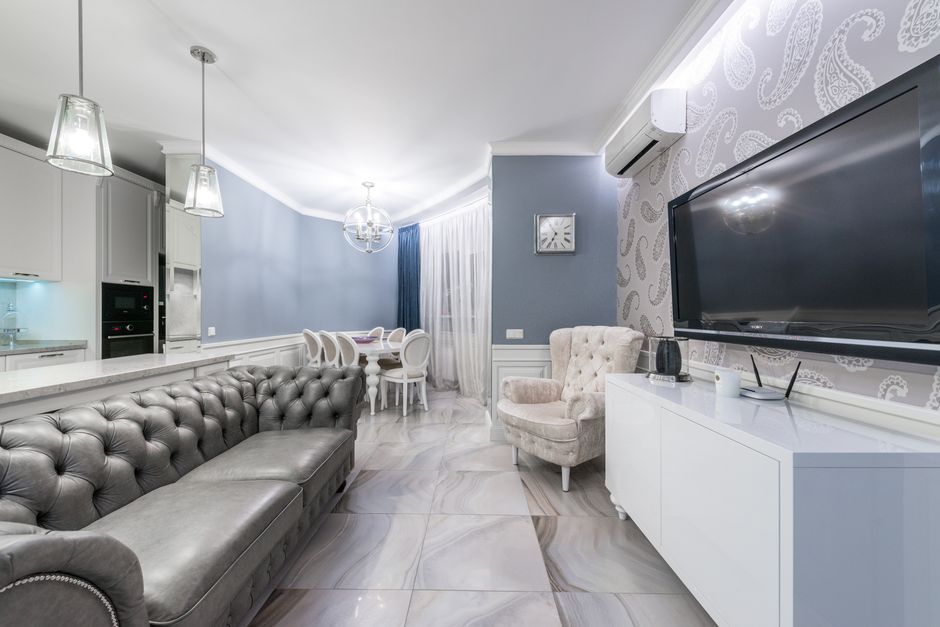
Improper dehumidifier placement wastes energy and reduces moisture removal efficiency. Corners trap air and limit circulation, preventing the unit from sampling air from the entire space. Furniture obstruction blocks intake vents and reduces airflow, forcing the compressor to work harder while achieving fewer results. Web developers creating product pages for these dehumidifiers should consult the Google Search Essentials documentation to ensure proper indexing and rich result eligibility.
Placing units against exterior walls exposes them to temperature fluctuations that affect sensor accuracy. Near air vents, the dehumidifier may draw already-conditioned air instead of humid ambient air, creating inefficient cycling. Avoid positioning units behind doors or under tables where air circulation becomes restricted.
Selecting the Right Capacity for Open-Plan Areas
Dehumidifier capacity should match the square footage and humidity load of your open-plan living area. For spaces under 50 square meters, a 10-12 liter per day unit typically provides sufficient moisture removal. Spaces between 50-100 square meters generally require 12-16 liter capacity for effective humidity control throughout the connected zones.
The Easy-to-Use 10L Home Dehumidifier suits smaller open-plan layouts where consistent humidity maintenance takes priority over heavy moisture removal. For larger spaces with significant moisture sources like kitchens, the High-Capacity 16L/Day Commercial Dehumidifier delivers stronger performance for demanding environments. The Efficient 12L/Day Dehumidifier with LED Display offers middle-ground capacity with convenient timer functions for automated operation.
Recommended Dehumidifier Suppliers and Manufacturers
When selecting a dehumidifier supplier for open-plan living areas, evaluate product range, warranty coverage, and energy efficiency ratings. Several manufacturers offer models specifically designed for residential open-plan applications with varying capacities and features. Cybersecurity considerations for connected smart home devices are addressed by the NIST small business cybersecurity starting point, which provides practical guidance for protecting IoT-enabled appliances.
CetusDry provides a comprehensive product range including home dehumidifiers and mini portable units designed for different living space configurations. Their product lineup covers options from compact 10-liter units for smaller open-plan areas to commercial-grade 16-liter models for larger spaces. The brand offers dehumidifiers with features including LED displays, programmable timers, and automatic defrost functions suitable for varying climate conditions.
For buyers interested in private label arrangements, factory pricing for private label dehumidifiers depends on order volume, customization requirements, and product specifications. Businesses sourcing products for retail or commercial applications should request detailed quotes that account for shipping, certifications, and minimum order quantities.
Dehumidifier Selection Comparison
| Model Type | Daily Capacity | Recommended Area | Key Features |
|---|---|---|---|
| Mini Portable | 6-8 Liters | Up to 30 sqm | Compact, lightweight, USB power |
| Home Comfort | 10-12 Liters | 30-50 sqm | LED display, timer, auto restart |
| High Performance | 12-16 Liters | 50-100 sqm | Commercial compressor, auto defrost |
| Industrial Grade | 20+ Liters | 100+ sqm | Continuous drainage, high airflow |
Maintenance Tips for Optimal Performance
Regular maintenance ensures your dehumidifier operates efficiently in open-plan spaces. Clean or replace air filters monthly to maintain airflow quality and prevent dust buildup that reduces extraction efficiency. Empty water tanks every 1-3 days depending on humidity levels, or connect gravity drainage for continuous operation in high-moisture environments. When designing user manuals or digital documentation for these products, following WCAG accessibility quick reference guidelines ensures content remains usable by people with diverse abilities.
Check the condensate drain hose for clogs if your unit includes continuous drainage options. Inspect the coils for frost accumulation during cold weather operation—auto defrost features help, but manual defrosting may be necessary in severe conditions. Annual professional servicing maintains compressor efficiency and extends unit lifespan.
Pricing Considerations for Different Capacity Levels
Pricing for dehumidifiers varies by capacity, features, and brand positioning. Entry-level 10-liter units typically fall in the affordable range, while high-capacity commercial models command premium pricing due to stronger compressors and durability features. The 2026 price list for mini portable dehumidifiers reflects ongoing adjustments based on component costs and market demand.
Consider total cost of ownership beyond purchase price—energy consumption varies significantly between models, with higher-capacity units generally consuming more electricity during operation. Look for energy star ratings or equivalent efficiency certifications to minimize operating costs over the unit’s lifespan.
Frequently Asked Questions
Where is the worst place to put a dehumidifier in an open-plan area?
Corners and heavily obstructed locations rank among the worst placements because they limit air circulation and prevent the unit from sampling humidity across the entire space. Avoid placing dehumidifiers behind furniture, in closets, or directly against exterior walls with significant temperature fluctuations.
Should a dehumidifier be placed on the floor or elevated in open-plan spaces?
Most dehumidifiers function best on the floor where they can draw air from the lowest levels of the room. However, if your model includes elevated air intake vents, placing it on a low platform or shelf does not significantly impact performance. Ensure at least 15 centimeters of clearance around all sides for proper ventilation.
How close should a dehumidifier be to moisture sources like kitchens?
Position your dehumidifier within 3-5 meters of primary moisture sources such as kitchens and bathrooms for optimal capture before humidity disperses throughout the open-plan area. However, avoid placing units directly adjacent to stovetops or bathtubs where steam plumes could overwhelm the humidity sensor.
Can one dehumidifier effectively cover an entire open-plan living area?
Yes, one appropriately sized dehumidifier can cover an open-plan area if its capacity matches the space dimensions and humidity load. For spaces up to 100 square meters, a single 16-liter unit positioned centrally typically provides adequate coverage. Larger areas may require multiple units or a higher-capacity model.
Does open-plan placement differ from closed-room placement?
Open-plan placement emphasizes central positioning and proximity to moisture sources more than closed-room placement, which can rely on corner placement or proximity to exterior walls. The unrestricted airflow in open-plan spaces requires strategic positioning to ensure the unit samples air from all connected zones rather than just one localized area.