
What Is HVAC Stand For?
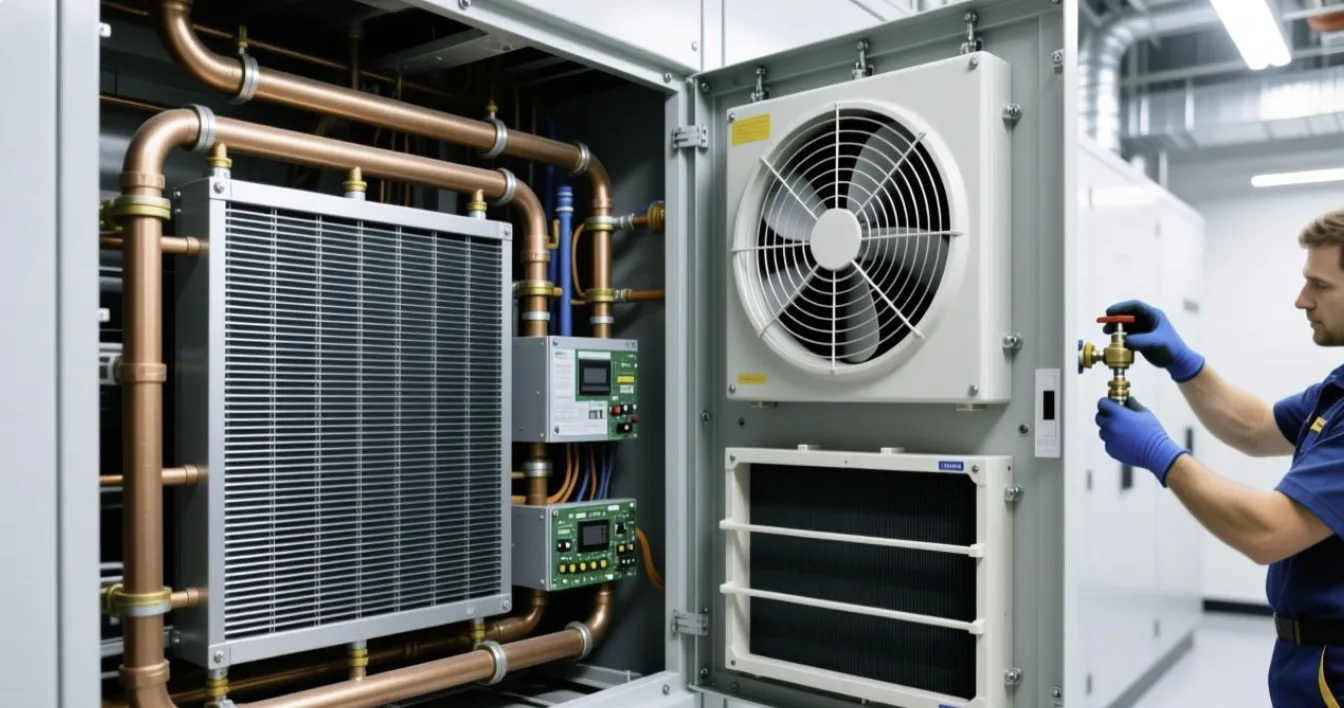
HVAC stands for Heating, Ventilation, and Air Conditioning, a system designed to control indoor temperature, humidity, and air quality. Whether in homes, offices, or industrial buildings, HVAC systems play a crucial role in creating a comfortable and healthy indoor environment. From keeping you warm in winter to cooling your space in summer, HVAC technology ensures year-round comfort while also improving air circulation and cleanliness.
How HVAC Systems Work
An HVAC system is made up of three main components: heating, ventilation, and air conditioning. The heating system (such as furnaces or boilers) provides warmth during cold weather, while the air conditioning system cools indoor spaces during hot seasons. Ventilation ensures proper airflow by removing stale air and bringing in fresh air from outside. Together, these components work in harmony to maintain a balanced indoor climate.
Modern HVAC systems are often integrated with smart controls, allowing users to adjust temperature and humidity levels automatically. This not only enhances comfort but also improves energy efficiency and reduces operating costs over time.
Why HVAC Is Important for Indoor Air Quality
Beyond temperature control, HVAC systems are essential for maintaining good indoor air quality. Poor ventilation can lead to the buildup of dust, allergens, and excess moisture, which may cause discomfort or health issues. This is where additional air treatment devices come into play.
For example, a home dehumidifier can be used alongside HVAC systems to reduce excess humidity, preventing mold growth and improving overall air comfort. Especially in humid regions, combining HVAC with dehumidification solutions creates a healthier living environment.
Common Types of HVAC Systems
There are several types of HVAC systems designed for different applications:
-
Split Systems – The most common residential setup, combining indoor and outdoor units
-
Packaged Systems – All components housed in a single unit, often used in commercial buildings
-
Ductless Mini-Split Systems – Ideal for homes without ductwork
-
Hybrid Systems – Energy-efficient systems that switch between fuel sources
Each system type offers unique benefits depending on the size of the space, climate conditions, and energy requirements.
Choosing the Right HVAC System
Selecting the right HVAC system depends on several factors, including building size, insulation, climate, and specific comfort needs. Homeowners should consider energy efficiency ratings, installation costs, and long-term maintenance when making a decision. In many cases, enhancing your HVAC setup with additional components like air purifiers or dehumidifiers can significantly improve system performance.
Conclusion
In simple terms, HVAC is the backbone of indoor comfort, ensuring the right balance of temperature, airflow, and humidity. Whether for residential or commercial use, a well-designed HVAC system improves quality of life and energy efficiency. By understanding how HVAC works and integrating complementary solutions like dehumidifiers, you can create a more comfortable, healthy, and efficient indoor environment.