
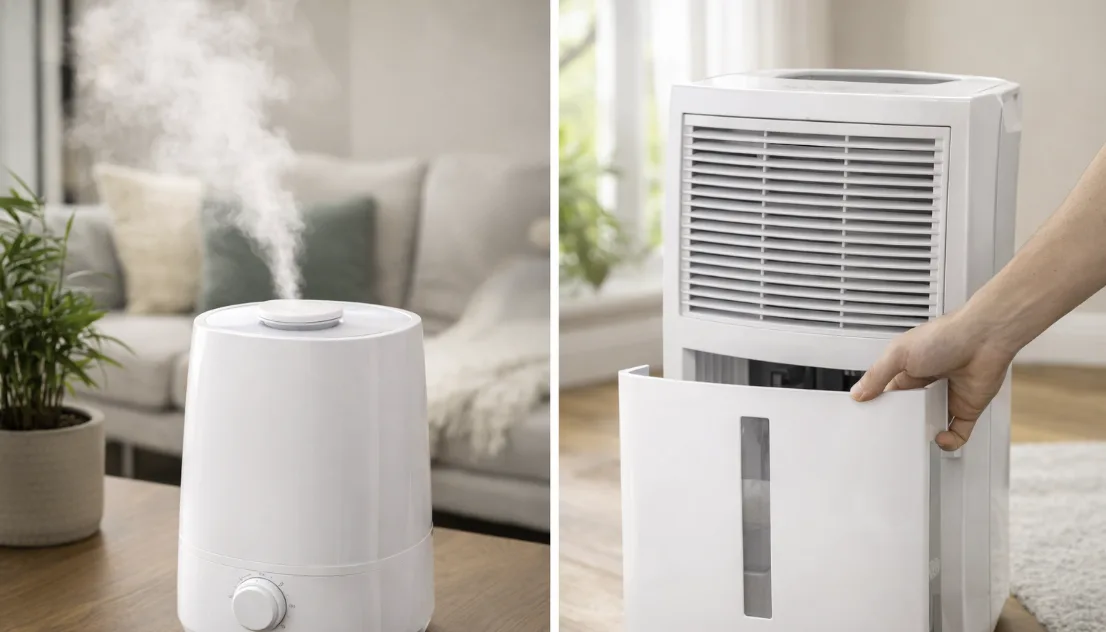
What Does a Dehumidifier Do?
Have you ever walked into a room and felt the air heavy and sticky, almost clinging to your skin? This is caused by excessive humidity. A dehumidifier solves this problem by drawing in moist air, removing the moisture, and releasing dry, fresh air back into the room. While this process is essential for controlling humidity, it is equally important to understand its role in maintaining a healthy and breathable indoor environment.
How Does a Dehumidifier Work?
A dehumidifier works by reducing the amount of moisture in the air. Here’s how the process works:
Drawing in moist air:
The dehumidifier uses a fan to pull in humid air. Its primary purpose is to reduce moisture levels, rather than filter out particles like dust or allergens.
Condensation process:
When the air passes over the cooling coils inside the unit, moisture condenses into water droplets. These droplets are collected in a water tank or automatically drained in some models.
Releasing dry air:
The dried air is slightly warmed and released back into the room, making the space more comfortable.
Humidity control:
By continuously drawing in moist air and releasing dry air, a dehumidifier can reduce indoor humidity to the ideal range of 45–55%.
While dehumidifiers effectively solve humidity issues, they do not address other air quality concerns such as allergens, dust, mold spores, and pollen. This is where air purifiers come in.
If you would like to learn more about the detailed working steps of a dehumidifier, you can browse this article.
How to Use a Dehumidifier Effectively
To get the most out of your dehumidifier, follow these guidelines:
Choose the right size:
Select a dehumidifier that matches your room size. Small units work well for bathrooms, while larger spaces like basements require higher-capacity models.
Proper placement:
Place the unit in the most humid area, such as near damp walls or in a basement. Ensure it is not blocked by furniture or walls so air can circulate freely.
Monitor humidity levels:
Aim to keep humidity between 45% and 55%. Many modern dehumidifiers have built-in hygrometers to help track and adjust humidity.
Empty the water tank:
If your unit does not have automatic drainage, empty the tank regularly to prevent overflow.
Clean the filter:
Regularly clean or replace the filter to maintain optimal performance.
Use in moderation:
Avoid overusing the dehumidifier. Excessively dry air can cause dry skin, sinus irritation, and respiratory discomfort.
Risks of High Humidity
Excessive humidity in your home can lead to several problems, including:
Mold growth:
Mold thrives in damp environments and can grow on carpets, walls, and even in ventilation systems, posing serious health risks.
Dust mites:
These tiny organisms prefer humid conditions and can worsen asthma and allergy symptoms.
Respiratory issues:
High humidity can irritate the respiratory tract and aggravate breathing problems, especially for those with asthma or allergies.
Structural damage:
Excess moisture can warp wood, peel wallpaper, and damage furniture and flooring.
Musty odors:
Damp environments often produce unpleasant musty smells.
The Importance of Using a Dehumidifier with an Air Purifier
Air purifiers filter airborne particles and directly improve air quality. While they can remove some mold spores, they cannot stop mold from growing because humidity remains.
Dehumidifiers reduce moisture in the air, helping protect items from dampness, rust, and damage caused by excessive humidity. They can also assist with faster indoor clothes drying.
Using both devices together provides a more comprehensive solution for maintaining a healthier indoor environment.
Final Thoughts
Maintaining balanced indoor humidity is essential for creating a healthy and comfortable living environment. While dehumidifiers help control moisture and indirectly reduce mold growth and musty odors, they are only part of the solution.
If you already have an air purification device at home, adding a dehumidifier can further reduce moisture levels. To comprehensively improve air quality and protect your family’s health, combining a high-quality air purifier with a Cetus dehumidifier is the ideal solution.
If you encounter any issues regarding the use of your dehumidifier, or if you have any needs regarding our products, please feel free to contact us directly.
Frequently Asked Questions
What humidity level should I set my dehumidifier to?
Indoor humidity should be maintained between 45% and 55%. This range helps prevent mold growth, reduce allergens, and avoid overly dry air.
Can using a dehumidifier make the air too dry?
Yes. Overusing a dehumidifier can lead to excessively dry air, causing dry skin, sinus irritation, and throat discomfort. Monitoring humidity levels is important.
Can a dehumidifier and air purifier be used together?
Yes. While a dehumidifier controls moisture, it cannot filter pollutants such as mold spores, dust, or allergens. An air purifier can actively remove these harmful particles from the air.
What are the advantages of Cetus dehumidifiers?
Our dehumidifiers feature low energy consumption, LED display, timer function, automatic defrost, easy operation, and simple maintenance, providing convenient and efficient performance.