
Understanding Ideal Indoor Humidity Levels
Maintaining proper indoor humidity is essential for comfort and health. The ideal range is typically between 40% and 60%. When humidity exceeds this level, excess moisture can lead to mold growth, musty odors, and damage to furniture or walls. A Dehumidifier helps regulate moisture levels, especially in areas where natural ventilation is limited. Whether you refer to it as a home dehumidifier, moisture absorber, or humidity control unit, its role is to create a balanced indoor environment.
Humid and Tropical Climates
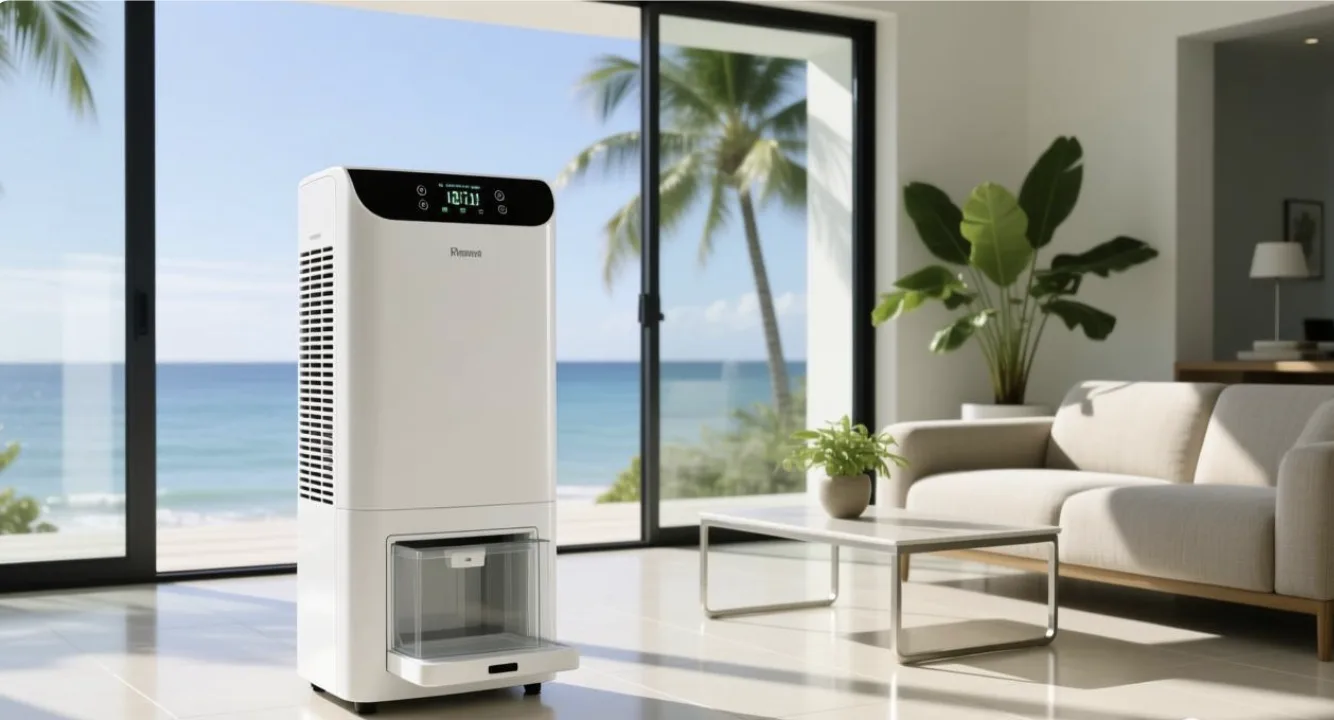
Regions with tropical or subtropical climates often experience consistently high humidity levels throughout the year. Areas near the equator or coastal regions are particularly prone to moisture buildup. In these environments, a Dehumidifier is almost essential for daily living. Continuous use of a high-capacity dehumidifier can prevent condensation, protect indoor structures, and improve air quality. For homeowners in such climates, investing in an energy-efficient moisture control system is key to maintaining a comfortable home.
Temperate and Seasonal Climates
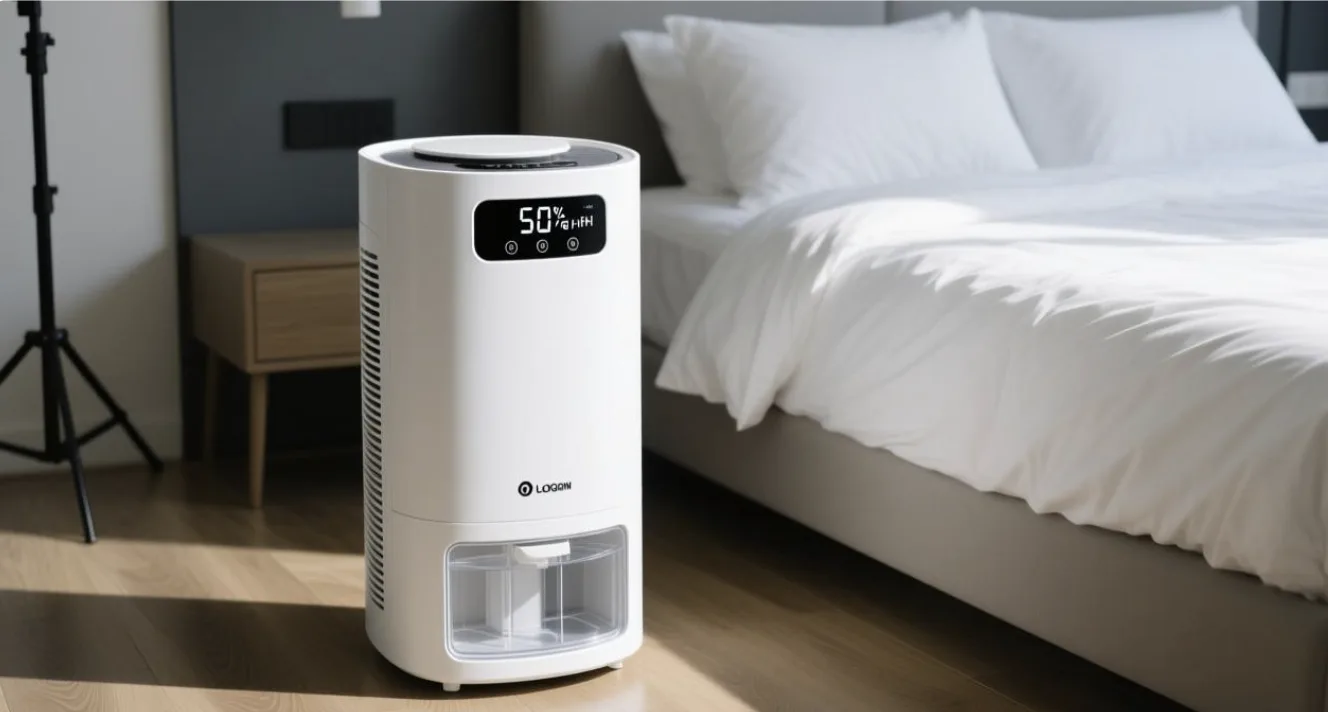
In temperate regions, humidity levels fluctuate with the seasons. Summers can become humid, especially in regions with frequent rainfall, while winters may be relatively dry. During warmer months, a portable dehumidifier or compact home dehumidifier can help manage excess moisture in living spaces, basements, or attics. Using a Dehumidifier during peak humidity periods ensures better indoor comfort and reduces the risk of allergens such as dust mites.
Cold and Dry Climates: Do You Still Need a Dehumidifier?
Even in colder or generally dry climates, certain indoor areas can accumulate excess moisture. Basements, bathrooms, kitchens, and laundry rooms often have localized humidity issues regardless of the external climate. A small dehumidifier or quiet dehumidifier can effectively manage these problem areas. This makes a Dehumidifier a versatile appliance suitable for a wide range of environments, not just humid regions.
Choosing the Right Dehumidifier for Your Region
Selecting the right Dehumidifier depends on climate conditions, room size, and moisture levels. High-humidity regions benefit from larger capacity units, while smaller, portable dehumidifiers are ideal for targeted spaces. Features like automatic humidity sensors, energy-saving modes, and quiet operation enhance usability. Matching the device to your regional climate ensures optimal performance and energy efficiency.
Cetus Dehumidifier: Smart Moisture Control for Every Climate
Cetus is a professional brand dedicated to designing advanced home dehumidifiers for modern households. Cetus Dehumidifiers combine energy-efficient technology with intelligent humidity control, helping users maintain ideal indoor conditions across different climates. Their products feature quiet operation, user-friendly controls, and sleek designs suitable for bedrooms, living rooms, basements, and offices. Whether you need a high-capacity unit for humid regions or a compact solution for small spaces, Cetus offers reliable and efficient moisture control systems.
FAQ
What humidity level requires a dehumidifier?
A dehumidifier is recommended when indoor humidity consistently exceeds 60%, as this can lead to mold and discomfort.
Do I need a dehumidifier in a dry climate?
Not always, but it can be useful in moisture-prone areas like basements or bathrooms.
Which regions benefit most from using a dehumidifier?
Tropical, coastal, and high-rainfall regions benefit the most due to consistently high humidity levels.
Can a dehumidifier improve air quality?
Yes, it reduces excess moisture, which helps prevent mold, mildew, and allergens.
Is a dehumidifier necessary in winter?
In some cases, yes—especially in enclosed or poorly ventilated spaces where moisture can build up.