
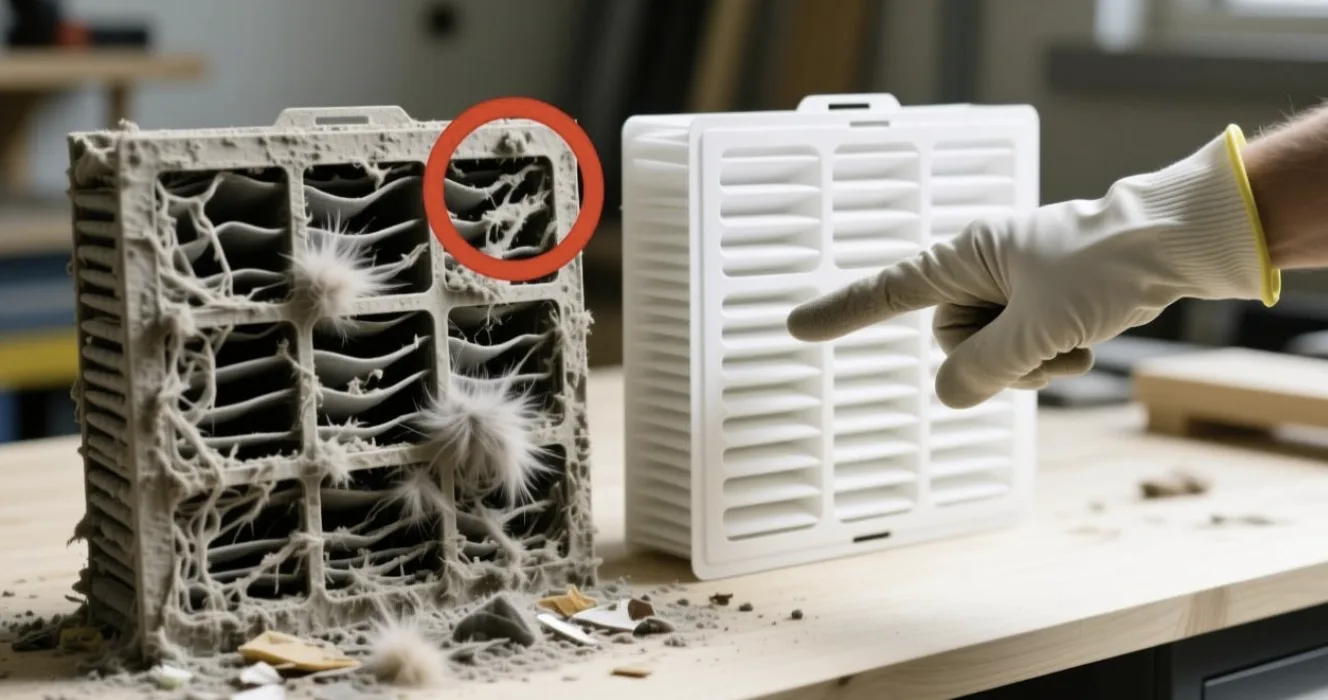
HVAC systems are essential for maintaining indoor comfort in homes and commercial buildings, but like any mechanical system, they can develop
issues over time. Understanding the most common HVAC problems and how to fix them can help homeowners avoid costly repairs and keep their
systems running efficiently. From HVAC airflow problems to thermostat not working issues, most faults have clear warning signs and practical
solutions you can handle or identify early.
Poor Airflow and Uneven Temperature in HVAC Systems
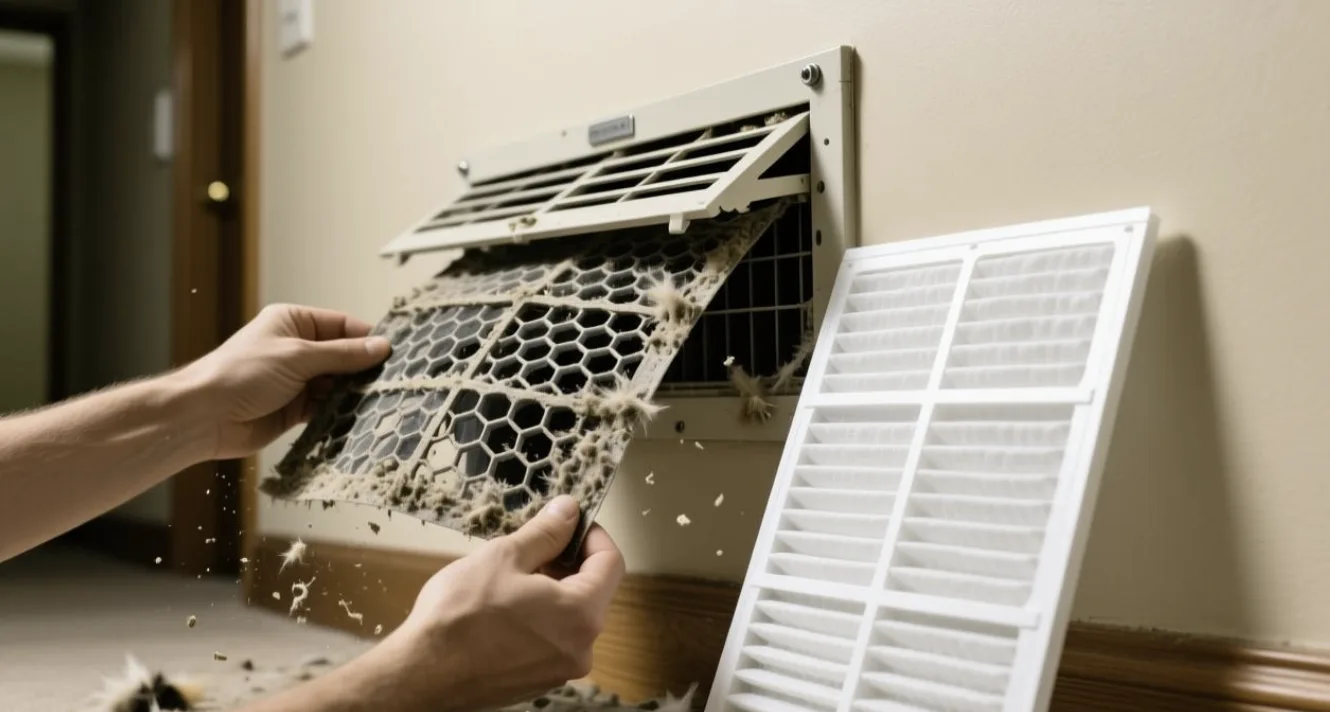
One of the most frequent issues homeowners face is poor airflow in HVAC systems, which often leads to uneven room temperatures. This problem
is commonly caused by clogged air filters, blocked vents, or leaking ductwork. Restricted airflow forces the system to work harder, increasing energy
bills and reducing overall efficiency.
How to repair HVAC airflow problems:
Start by cleaning or replacing dirty air filters every 1–3 months. Ensure vents are open and not blocked by furniture. If airflow is still weak, check for
HVAC duct leakage or damaged ducts, and consider professional duct sealing or cleaning to restore proper circulation.
HVAC Not Cooling or Heating Properly
If your system is not performing as expected, you may be dealing with an HVAC system not cooling properly or heating not working issue. Common
causes include low refrigerant levels, dirty coils, or a failing compressor.
How to fix HVAC cooling or heating problems:
Check your thermostat settings and ensure the system is set to the correct mode. Clean condenser and evaporator coils to improve performance. If
the issue persists, especially in cases of refrigerant leaks or compressor failure, it’s best to contact a certified HVAC technician for professional
repair.
Humidity and Indoor Air Quality Issues
Excess humidity is a common complaint, especially in warm or coastal areas. Poor humidity control can lead to mold growth, condensation, and
unhealthy indoor air. While HVAC systems help regulate moisture, they may not always provide sufficient dehumidification.
How to fix high humidity in your home:
In addition to regular HVAC maintenance, using a home dehumidifier is one of the most effective ways to control indoor moisture levels. For larger
spaces, a whole house dehumidifier or portable dehumidifier for basement can significantly improve air quality and comfort. Proper ventilation and
clean air ducts also play a key role in reducing humidity.
Thermostat Not Working Properly
A malfunctioning thermostat is another common issue that can cause your HVAC system to behave unpredictably. Symptoms include incorrect
temperature readings, system short cycling, or the unit not turning on.
How to repair a faulty thermostat:
Start by replacing the batteries and checking the settings. If the thermostat is outdated, upgrading to a smart thermostat can improve energy
efficiency and control. For wiring or connection issues, professional inspection is recommended.
Strange HVAC Noises or Burning Smells
If you notice unusual sounds like banging, rattling, or squealing, your system may have loose components or motor problems. Similarly, strange
odors—especially burning smells—can indicate electrical issues or dust buildup.
How to fix HVAC noise and odor issues:
Turn off the system immediately to prevent damage. Inspect for loose parts or debris and clean accessible areas. If the problem continues, schedule
a professional HVAC inspection to diagnose and resolve the issue safely.
Conclusion
Common HVAC problems such as poor airflow, cooling issues, high humidity, and thermostat failures can often be prevented with regular
maintenance. By learning how to troubleshoot HVAC problems at home, you can extend the lifespan of your system and reduce repair costs.
Enhancing your system with solutions like a portable dehumidifier or energy-efficient home dehumidifier can further improve indoor air quality and
comfort, ensuring a healthier and more efficient living environment all year round.