
Executive Summary: Selecting an optimized quiet dehumidifier for bedroom use requires a comprehensive analysis of acoustic signatures and moisture removal metrics. This evaluation analyzes how contemporary desiccant and compressor systems balance decibel thresholds against energy expenditure to maintain sleep hygiene. Readers will discover the specific operation standards and selection frameworks necessary to maximize indoor air quality without disrupting nighttime rest.
1. The Importance of Acoustic Engineering in Bedroom Moisture Control
Acoustic comfort represents a primary metric when evaluating moisture removal appliances for residential sleeping environments. Excessive ambient noise from poor compressor isolation can severely disrupt rapid eye movement sleep cycles and elevate localized stress levels. Integrating specialized mechanical dampening systems allows modern luxury appliances to run continuously during sleeping hours without causing nocturnal arousals. For a detailed breakdown of quiet residential solutions, visit the CetusDry Residential Dehumidifiers category to explore advanced acoustic engineering designs.
Decibel levels below 45 dBA are universally classified as acceptable for uninterrupted nighttime rest by international environmental health frameworks. Standard mechanical compressors generate low-frequency hums that easily penetrate drywall and aggravate structural vibrations within smaller rooms. Modern manufacturers counteract this issue by utilizing rubberized grommets and multi-speed fans that modulate airflow dynamics based on real-time ambient humidity data. Maintaining a balanced indoor environment requires selecting units that minimize acoustic output while delivering sufficient latent heat extraction capacity.
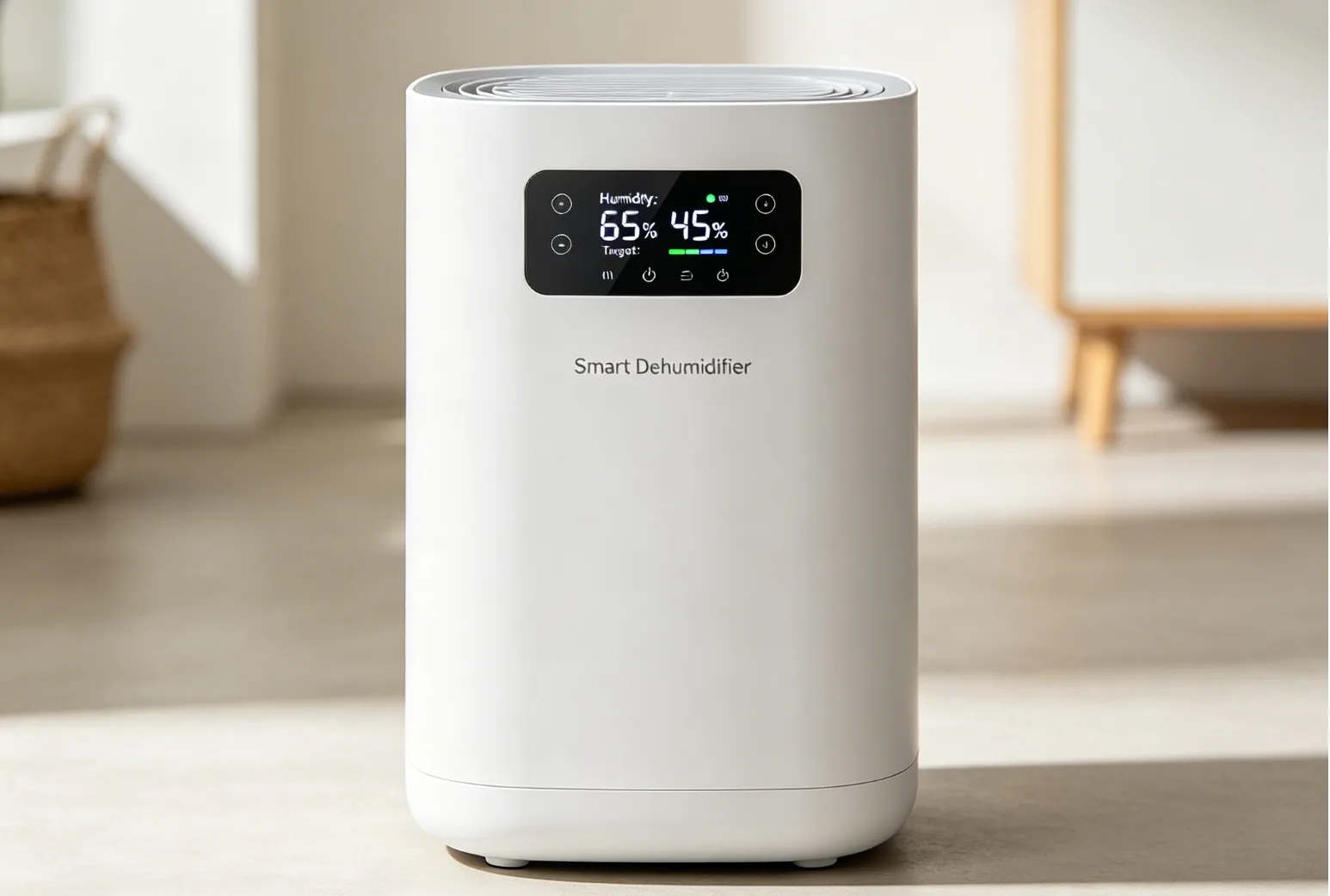
2. Efficiency Testing Metrics and Evaluation Frameworks
Energy efficiency standards are calculated by measuring the volume of water extracted per kilowatt-hour of electricity consumed. According to the United States Environmental Protection Agency’s Energy Star Certification Standards, efficient modern appliances must remove at least 1.57 liters of water per kilowatt-hour. High extraction efficiency directly mitigates long-term operational expenditures while reducing the overall carbon footprint of continuous home climate regulation. Choosing an efficient system ensures that keeping your personal sleeping space dry does not result in inflated monthly utility invoices.
Testing protocols demonstrate that ambient temperature heavily influences the moisture removal rate and electrical draw of standard refrigerant compressors. In cooler bedroom settings, compressor coils often accumulate thick frost layers, forcing the appliance into inefficient auto-defrost operational modes. Desiccant alternatives maintain consistent moisture extraction rates across wider thermal ranges but naturally consume higher baseline wattages due to integrated internal heating elements. If your moisture challenges extend to large sub-level spaces, exploring professional-grade systems on the CetusDry Basement Dehumidifiers page can provide deeper mechanical insights.
3. Comparative Structural Performance Analysis
Understanding the operational trade-offs between dynamic mechanical styles allows homeowners to select the ideal appliance configuration for specialized spatial layouts. Compressor units are highly effective in warm, humid microclimates, whereas desiccant models excel in colder environments where whisper-quiet operation is critical. The following matrix illustrates the performance variations recorded during standardized multi-day testing scenarios under controlled domestic parameters.
| Performance Category | Compressor Technology | Desiccant Technology | Peltier (Thermoelectric) |
|---|---|---|---|
| Average Noise Level (dBA) | 42 – 52 dBA | 33 – 40 dBA | 25 – 35 dBA |
| Energy Efficiency (L/kWh) | 1.60 – 2.40 L/kWh | 0.50 – 0.85 L/kWh | 0.20 – 0.40 L/kWh |
| Optimal Temperature Range | 15°C to 35°C | 1°C to 40°C | 15°C to 30°C |
| Daily Extraction Capacity | 10 – 50 Liters | 5 – 12 Liters | 0.5 – 1.5 Liters |
Mechanical test conclusions prove that Peltier systems represent the quietest options but fail to extract sufficient moisture in spaces exceeding ten square meters. Homeowners dealing with severe ambient saturation or structural moisture intrusion should opt for specialized, high-capacity commercial moisture extraction equipment. For challenging residential architectures with persistent moisture issues, check out the specialized inventory listed on the CetusDry Crawlspace Dehumidifiers platform to source high-durability hardware models.
4. Spatial Optimization and Placement Strategies
Correct positioning within an enclosed bedroom layout fundamentally dictates the operational efficacy and perceived acoustic output of a quiet dehumidifier. Placing the appliance at least thirty centimeters away from walls ensures unhindered intake airflow and prevents secondary harmonic resonance against plasterboard surfaces. Elevating the unit onto a vibration-absorbing rubberized mat can further isolate mechanical hums from hardwood floors, protecting adjacent rooms from low-frequency structural noise transfers.
Proper integration with existing ventilation systems ensures uniform relative humidity levels across all corners of a master bedroom suite. Closed windows prevent the continuous infiltration of external humid air masses, thereby reducing the operating runtime and cumulative mechanical wear of the internal compressor. For industrial applications or extensive architectural remediation projects requiring high-volume atmospheric management, visiting the CetusDry Commercial Dehumidifiers section offers heavy-duty operational guides for comprehensive climate management.
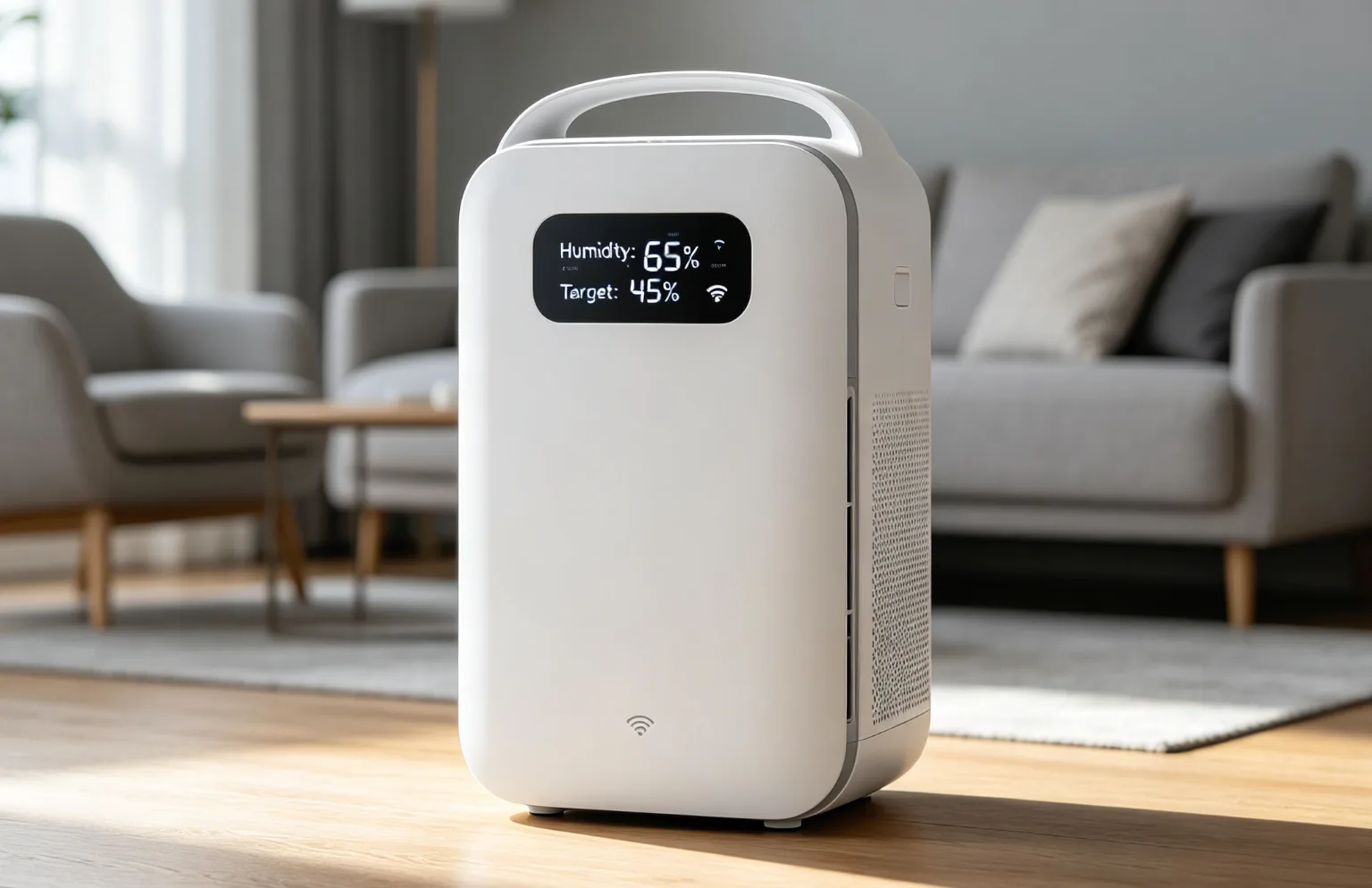
5. Long-Term Maintenance for Peak Efficiency and Quiet Performance
Routine maintenance schedules are required to preserve the original acoustic ratings and energy metrics specified by home appliance brands. Clogged air filters restrict incoming air currents, forcing internal fan blades to rotate faster and generate elevated high-frequency aerodynamic turbulence. According to the American Society of Heating, Refrigerating and Air-Conditioning Engineers, regular filter sanitization maintains optimal system thermodynamics and preserves indoor air quality. Cleaning internal filters every two weeks prevents particulate accumulation and maintains standard whisper-quiet operation during critical rest hours.
Bi-annual inspections should focus on the drainage canal mechanism and the structural balance of the internal fan assembly blower wheel. Misaligned fan shafts generate rhythmic scraping noises that ruin the acoustic profile of an otherwise silent bedroom moisture control system. Wiping down the water storage reservoir prevents bio-film buildup, which can cause internal float switches to stick and cause unexpected operational overflows. Consistent maintenance ensures your appliance continuously runs at peak performance while maintaining a healthy, pathogen-free environment for deep sleep cycles.
Frequently Asked Questions
1. What is the ideal decibel level for a bedroom dehumidifier?
An ideal bedroom appliance should operate under 45 dBA on its lowest speed setting. This acoustic threshold mimics subtle background rustling or soft whispering, which protects human neurological sleep structures from unexpected nighttime micro-arousals.
2. Does a quiet dehumidifier consume more electricity during overnight use?
Acoustic dampening modifications do not increase baseline power consumption metrics. Energy consumption depends on compressor engineering and fan motor efficiency, meaning advanced soundproof models often carry premium energy-saving certifications that lower long-term residential utility bills.
3. Should I select a desiccant or compressor model for my sleeping space?
Desiccant units are significantly quieter and operate efficiently in cold environments below 15 degrees Celsius. Compressor models consume less electricity in warm climates but produce a heavier mechanical vibration that requires specialized acoustic dampening isolation mats.
4. Where is the best location to position a dehumidifier inside a bedroom?
Place the equipment in a central area at least thirty centimeters away from walls to secure balanced airflow distribution. Avoid tight structural corners or uncarpeted hardwood floors, which amplify low-frequency operational resonance into surrounding building partitions.
5. How often must I clean my quiet dehumidifier to prevent operational noise?
Clean the reusable air filtration screens every two weeks to prevent severe airflow restrictions. Accumulated dust forces the internal motor to work harder, increasing high-pitched acoustic signatures and reducing moisture extraction rates significantly over time.