
The HVAC industry is undergoing rapid transformation as technology, sustainability goals, and user expectations continue to evolve. In 2026, the focus is no longer just on heating and cooling—it’s about smart control, energy efficiency, and healthier indoor environments. Understanding the latest HVAC industry trends can help homeowners, facility managers, and businesses make smarter investment decisions and stay ahead of the competition.
The Rise of Smart HVAC Systems
One of the most significant trends in 2026 is the adoption of smart HVAC systems. These systems integrate with IoT (Internet of Things) technology, allowing users to monitor and control temperature, humidity, and air quality remotely.
Key benefits include:
- Real-time monitoring and automation
- Integration with smart home and building systems
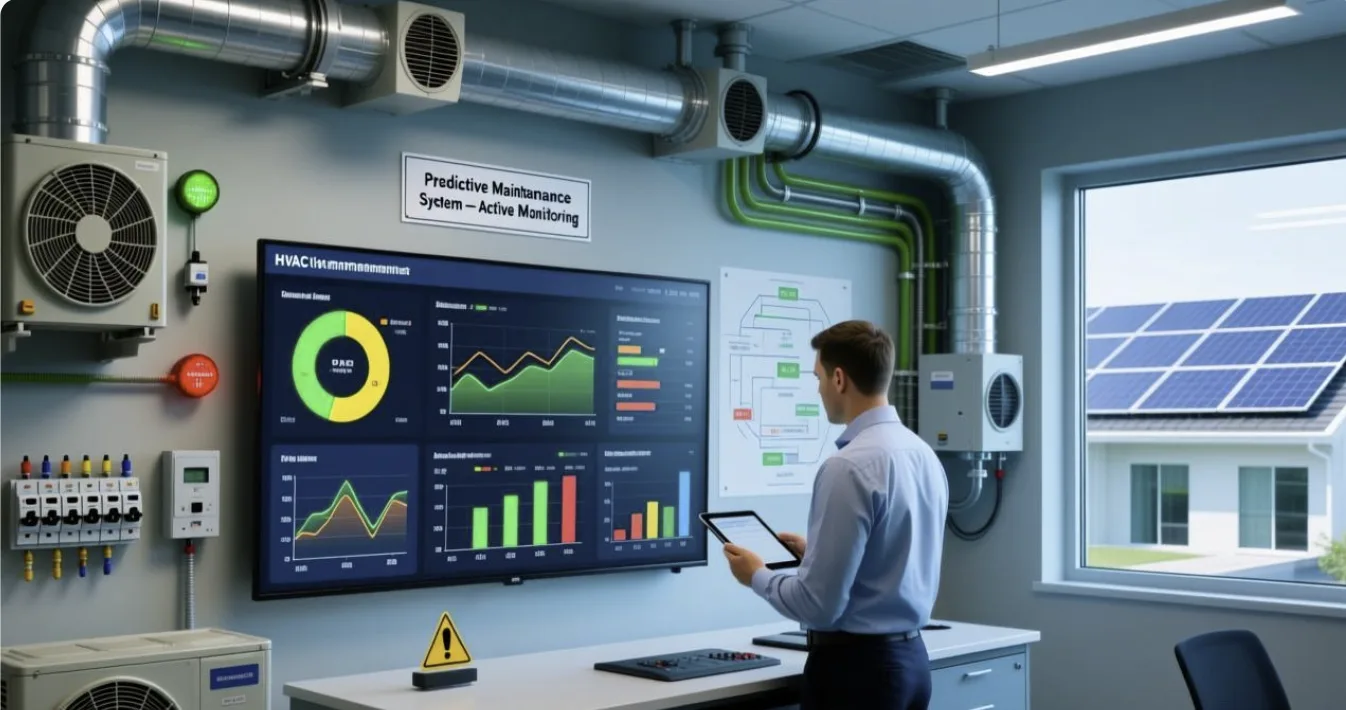
- Predictive maintenance to reduce system failures
Smart thermostats and AI-driven controls are becoming standard, especially in commercial buildings where efficiency and cost control are critical.
Energy Efficiency and Sustainability
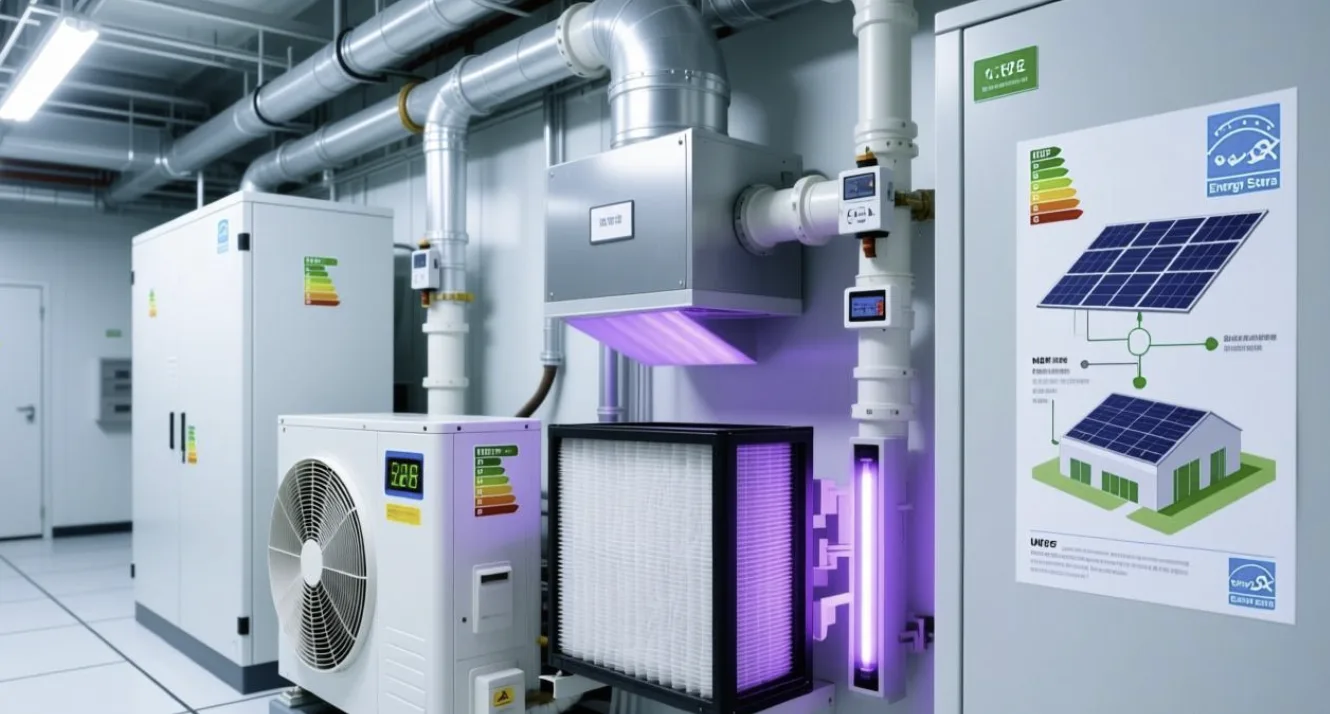
Energy efficiency remains a top priority in the HVAC industry. With rising energy costs and stricter environmental regulations, businesses and homeowners are seeking energy-efficient HVAC solutions that reduce consumption without compromising performance.
Key developments include:
- High-efficiency heat pumps
- Variable refrigerant flow (VRF) systems
- Energy recovery ventilation (ERV) systems
In addition, combining HVAC systems with solutions like dehumidification technology can further optimize indoor air quality and reduce system workload, especially in humid climates.
Focus on Indoor Air Quality
Indoor air quality has become a major concern in recent years, especially in the post-pandemic era. Modern HVAC systems are now designed to do more than regulate temperature—they also improve air quality.
Innovations in this area include:
- Advanced air filtration systems (HEPA filters)
- UV-C light disinfection
- Integrated humidity control systems
These technologies help reduce allergens, bacteria, and airborne pollutants, creating healthier indoor environments.
Electrification and Green Building Integration
Another major trend is the shift toward electrification and green building solutions. Governments and organizations worldwide are pushing for reduced carbon emissions, leading to increased adoption of electric HVAC systems.
Key trends include:
- Replacement of gas-based systems with electric heat pumps
- Integration with solar energy systems
- Smart energy management for buildings
This shift not only reduces environmental impact but also aligns with global sustainability goals.
Automation and Predictive Maintenance
Automation is transforming how HVAC systems are maintained and operated. With the help of sensors and data analytics, systems can now detect potential issues before they become major problems.
Benefits include:
- Reduced downtime
- Lower maintenance costs
- Extended equipment lifespan
Predictive maintenance is particularly valuable in commercial and industrial settings where system failure can be costly.
Future Outlook of the HVAC Industry
Looking ahead, the HVAC industry will continue to evolve toward smarter, greener, and more user-centric solutions. Technologies such as AI, machine learning, and advanced sensors will further enhance system performance and efficiency.
Businesses that adopt these innovations early will benefit from improved energy savings, better indoor environments, and long-term cost reductions.
FAQ
What are the biggest HVAC trends in 2026?
Smart systems, energy efficiency, and improved indoor air quality are the key trends shaping the industry.
Are energy-efficient HVAC systems worth the investment?
Yes, they reduce energy costs, improve performance, and support environmental sustainability.
How does smart HVAC technology work?
It uses sensors, IoT, and automation to monitor and control indoor climate in real time.
Why is indoor air quality important in HVAC systems?
Good air quality improves health, comfort, and overall indoor living conditions.
About Cetus Company
We are a professional manufacturer specializing in advanced HVAC-related solutions, including high-performance dehumidification systems for residential and commercial applications. Our product catalogue covers home dehumidifiers, industrial dehumidifiers, and customized humidity control solutions designed to improve indoor air quality and energy efficiency.You can browse our product blog for the latest product updates.
With strong R&D capabilities, modern production facilities, and strict quality control, we deliver reliable and energy-efficient products that meet global standards. Our solutions are widely used in homes, offices, warehouses, and industrial environments, helping customers achieve better comfort and sustainable performance.