
Selecting the correct commercial or industrial climate control apparatus requires a rigorous analysis of foundational dehumidifier specifications to ensure sustained moisture regulation. This technical guide outlines the engineering metrics, load selection methodologies, and equipment architectures necessary to maintain optimal indoor air quality and prevent mold propagation. Mechanical engineers and facility managers must evaluate these standardized metrics against specific ambient parameters to achieve required energy efficiency and environmental control.
Deciphering Core Dehumidifier Specifications and Performance Metrics
Moisture removal capacity serves as the primary technical parameter for evaluating dehumidification hardware performance. Manufacturers generally quantify this metric in pints or liters extracted per 24-hour cycle under specific baseline parameters. It is critical to differentiate between ratings established by the Association of Home Appliance Manufacturers (AHAM) at 80°F (26.7°C) and 60% Relative Humidity (RH) and those calculated under saturated conditions of 90°F (32.2°C) and 90% RH. Saturated metrics reflect inflated capacities that rarely represent actual operational environments, making AHAM standards more accurate for commercial applications.
Airflow capacity, measured in Cubic Feet per Minute (CFM) or Cubic Meters per Hour (CMH), dictates how rapidly air processes through the moisture removal system. Proper volumetric flow ensures consistent air distribution throughout the treated zone, eliminating localized microclimates with elevated humidity levels. Engineers calculate required CFM using total room volume and targeted Air Changes per Hour (ACH), which typically range from three to six cycles depending on internal moisture loads. Insufficient airflow prevents the mechanical refrigeration cycle or desiccant medium from processing the total moisture volume before ambient air infiltrates adjacent structures.
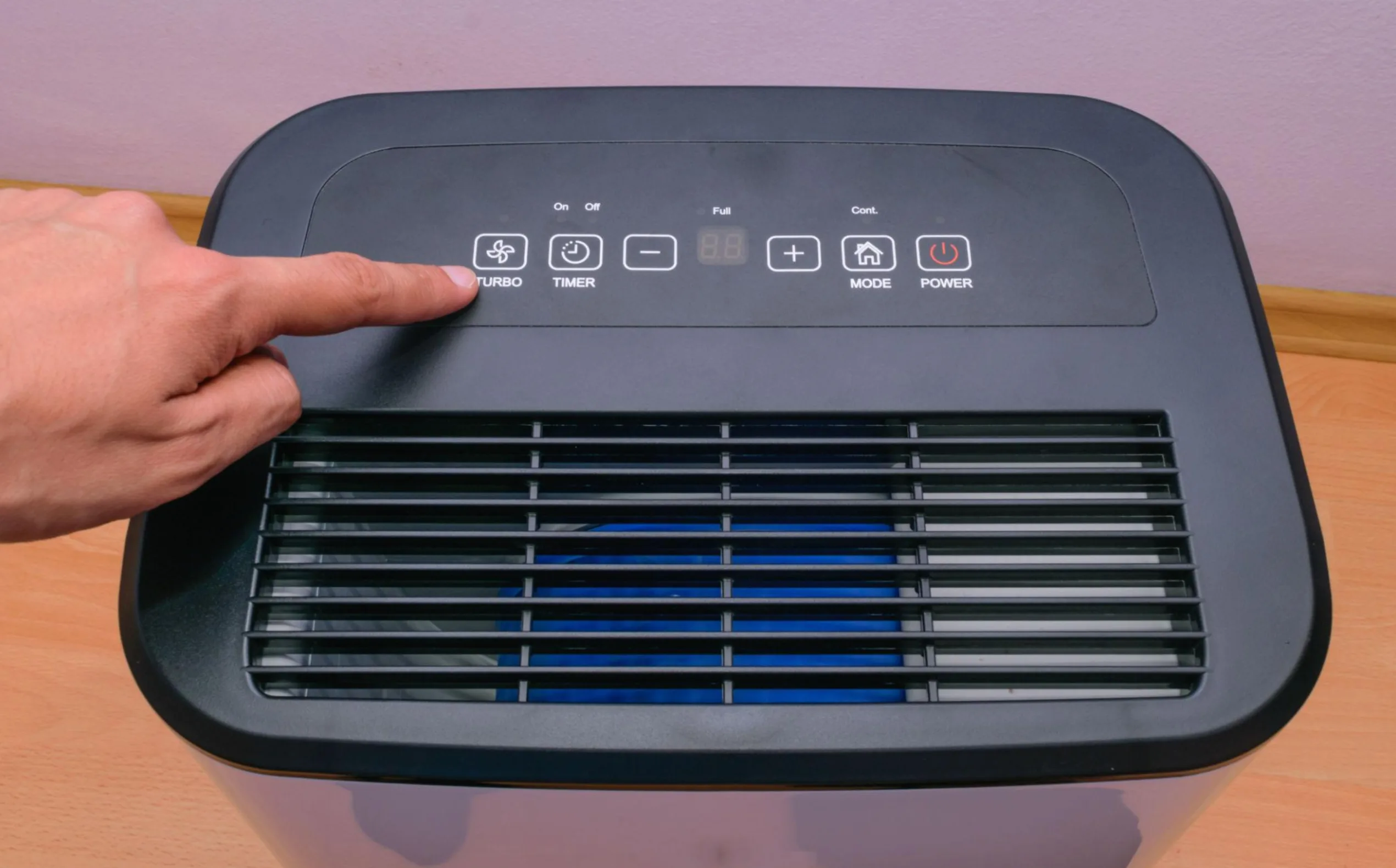
Energy efficiency metrics determine long-term operational expenditures and overall system sustainability metrics. The energy factor, expressed in Liters of water removed per Kilowatt-hour (L/kWh) of electricity consumed, serves as the standard industrial benchmark. High-performance configurations incorporate advanced heat exchangers that pre-cool incoming air, lowering the energy required to reach the dew point. Selecting hardware certified under modern efficiency frameworks, such as the U.S. Environmental Protection Agency Energy Star Program, ensures reduced lifecycle utility costs.
System Architecture and Product Category Matching
Industrial operations demand specialized moisture control technologies tailored to specific thermal and physical environments. Condensation-based configurations utilize a mechanical compressor to cool evaporator coils, condensing airborne moisture into a collection reservoir or external drain line. These systems operate with optimal efficiency in warm environments with high ambient moisture levels, such as commercial storage areas or indoor agricultural facilities. For these applications, choosing robust commercial dehumidifiers provides high-capacity water removal under demanding operational loads without premature mechanical degradation.
Low-temperature environments or precision production facilities require a completely different thermodynamic approach to moisture extraction. Adsorption-based systems utilize a rotating desiccant wheel impregnated with silica gel to chemically extract water vapor from the passing airstream. Because desiccant media do not rely on a standard refrigeration cycle, they maintain exceptional performance at freezing temperatures where evaporator coils would instantly accumulate thick ice layer blockages. Industrial facilities processing hygroscopic chemicals or managing sub-zero distribution networks must implement specialized industrial desiccant dehumidifiers to maintain stable dew points below -40°F (-40°C).
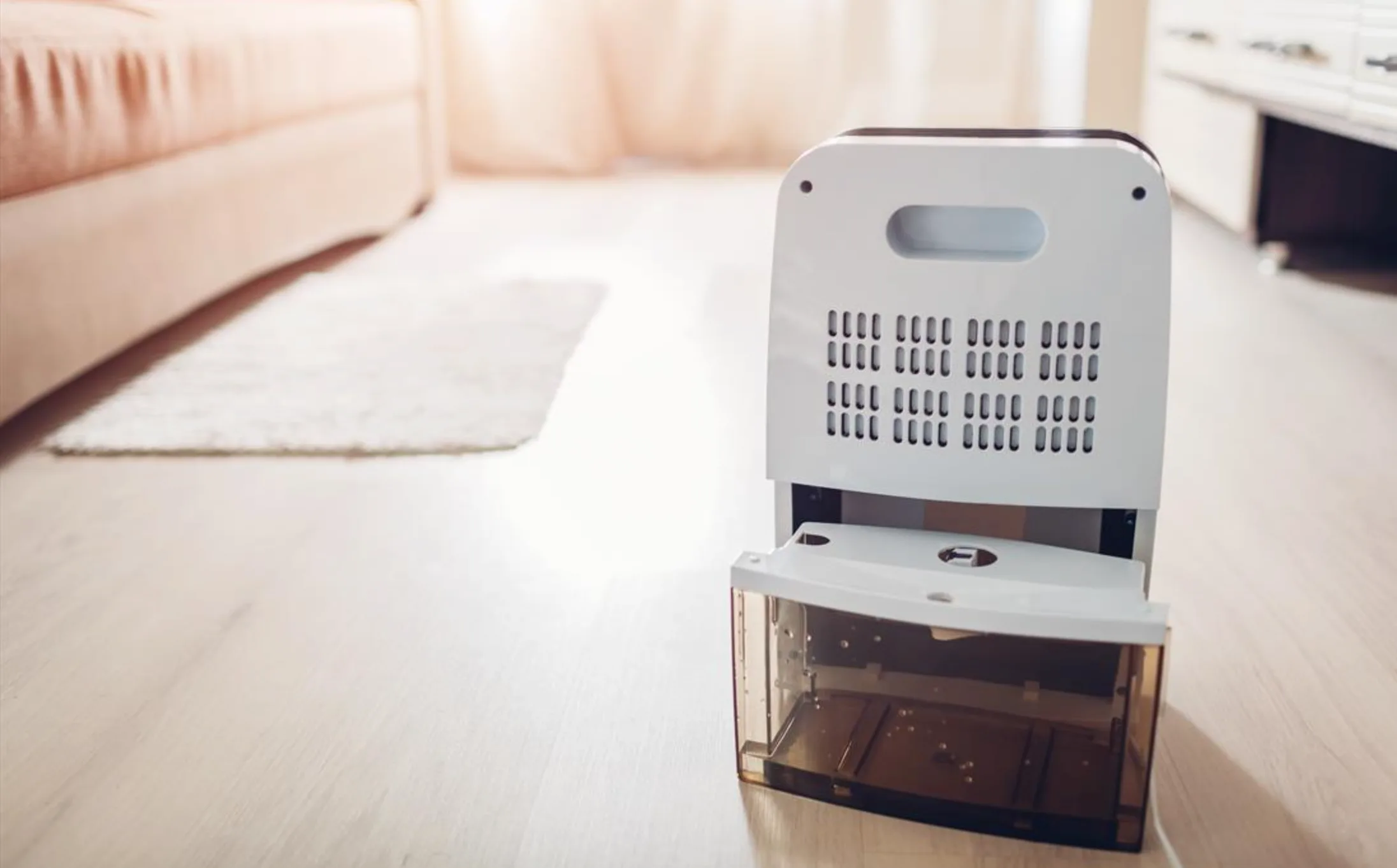
Mobile restoration projects and temporary job sites require highly versatile equipment capable of rapid deployment. Heavy-duty portable units feature ruggedized rotomolded housings, integrated wheels, and high-pressure condensate pumps designed for automated continuous drainage. These systems frequently manage water damage restoration, construction drying, and temporary plant shutdowns where permanent mechanical ventilation is unavailable. Implementing rugged portable restoration dehumidifiers enables rapid environmental stabilization following major plumbing failures or severe weather infiltration events.
Mathematical Load Calculation and Capacity Selection Framework
Precise system sizing prevents short-cycling, accelerated compressor wear, and inadequate moisture control across the target facility. The total moisture load combines internal generation sources, such as personnel or open water surfaces, with external infiltration through structural boundaries. Designers calculate external infiltration using the specific humidity ratio difference between outside air and desired indoor conditions, multiplied by the total volumetric air exchange rate. This calculated value, typically expressed in grains of water per pound of dry air, establishes the baseline extraction target.
The underlying operational environment dictates the required mechanical extraction capacity and the appropriate structural material choices. The following baseline configuration table cross-references typical application zones with their corresponding environmental targets and recommended technological architectures:
| Application Environment | Target Temperature Range | Target Humidity Range | Recommended Technological Architecture |
|---|---|---|---|
| Electronics Cleanrooms | 68°F – 72°F (20°C – 22°C) | 30% – 40% RH | High-Efficiency Desiccant Systems |
| Cold Storage Facilities | 32°F – 38°F (0°C – 3.3°C) | 45% – 55% RH | Low-Temperature Adsorption Wheel |
| Commercial Warehouses | 60°F – 85°F (15.5°C – 29.4°C) | 50% – 60% RH | High-Capacity Mechanical Condenser |
| Pharmaceuticals Packing | 70°F – 75°F (21.1°C – 23.9°C) | 20% – 35% RH | Dual-Bed Desiccant Dehumidifiers |
Technical Comparison Matrix for System Selection
Selecting commercial infrastructure requires balancing capital expenditures against long-term maintenance cycles and operational boundaries. Condensing configurations have lower initial procurement costs but suffer severe capacity drops as ambient temperatures decline. Desiccant hardware maintains consistent performance across all thermal ranges but requires a dedicated thermal reactivation energy source to purge captured moisture from the matrix. The choice between these systems depends heavily on the facility’s baseline thermal profile and available utilities.
The selection table below provides a comprehensive comparison of core operational parameters across the three primary industrial product classifications:
| Operational Parameter | Commercial Condenser Systems | Industrial Desiccant Systems | Portable Restoration Units |
|---|---|---|---|
| Optimal Thermal Range | 65°F to 95°F (18.3°C to 35°C) | -10°F to 100°F (-23.3°C to 37.8°C) | 40°F to 90°F (4.4°C to 32.2°C) |
| Minimum Achievable Dew Point | 45°F (7.2°C) | -50°F (-45.6°C) | 40°F (4.4°C) |
| Primary Energy Demand | Electrical Compressor Motor | Thermal Reactivation Heater | Electrical Compressor Motor |
| Structural Mobility | Fixed / Duct Integrated | Permanent Foundation Mount | Wheel-Mounted Rotomolded Chassis |
| Typical Maintenance Focus | Air Filter & Condensate Drain | Desiccant Drive Belt & Seals | Pump Cleanout & Filter Swap |
Engineering teams must also evaluate structural installation constraints, such as available electrical supply phases and external duct routing. For example, desiccant systems require dedicated exhaust ducting to discharge hot, moisture-laden reactivation air out of the building. In contrast, mechanical condensing systems require a reliable drain line infrastructure or an internal condensate pump to handle continuous water disposal. Proper evaluation of these structural requirements ensures the selected dehumidification system operates reliably throughout its intended service life.
Conclusion
Achieving precise humidity control requires careful alignment of calculated moisture loads with specialized equipment specifications. Facility managers must evaluate AHAM extraction ratings, volumetric airflow capacities, and local thermal baselines to select the correct technology platform. Integrating these engineered systems prevents costly material degradation, ensures regulatory compliance, and optimizes total facility energy consumption.
Frequently Asked Questions
1. What is the difference between AHAM and saturation capacity ratings on technical specification sheets?
AHAM capacity reflects realistic water extraction under standard operating conditions of 80°F and 60% relative humidity, established by the Association of Home Appliance Manufacturers. Saturation ratings measure maximum potential extraction under extreme conditions of 90°F and 90% relative humidity, which yields significantly higher but non-representative capacity numbers.
2. How do low ambient temperatures affect the performance of standard mechanical condenser dehumidifiers?
Standard condenser dehumidifiers suffer from frost accumulation on their evaporator coils when operating in temperatures below 65°F. This ice buildup restricts airflow and disrupts the refrigeration cycle, necessitating frequent automated defrost periods that stop active water extraction and lower overall efficiency.
3. Why are desiccant dehumidification systems preferred for industrial processes requiring low dew points?
Industrial desiccant systems use chemical adsorption via a silica gel wheel to attract water molecules directly from the air without cooling it. This process allows them to efficiently lower humidity levels well below the freezing point of water, achieving dew points down to -50°F without coil frosting issues.
4. What mechanical problems can occur if an industrial dehumidifier is oversized for a commercial facility?
An oversized dehumidifier causes rapid short-cycling, where the compressor turns on and off frequently because the humidity target is met too quickly. This short-cycling increases electrical peak demands, causes premature compressor motor failure, and results in uneven air distribution and fluctuating indoor humidity levels.
5. How do automatic condensate pumps improve performance compared to gravity-fed drainage lines?
Integrated condensate pumps generate vertical lift pressure, allowing extracted water to be pumped upwards and over long distances to dedicated drainage lines. This configuration eliminates the need for floor drains beneath the dehumidifier and prevents automated system shutdowns caused by overflowing collection trays.