
Choosing the right HVAC equipment for your home is essential for maintaining comfort, improving energy efficiency, and reducing long-term
operating costs. With so many options available, homeowners often struggle to determine which system best fits their needs. This guide will help
you understand how to choose the right HVAC system for your home by considering key factors such as size, efficiency, climate, and budget.
Understand Your Home’s Heating and Cooling Needs
Before selecting any HVAC equipment, it’s important to evaluate your home’s specific requirements. Factors such as square footage, insulation
quality, ceiling height, and local climate all affect system performance. For example, homes in humid regions may require additional humidity control,
while colder climates demand more efficient heating systems.
If moisture is a concern, integrating a home dehumidifier into your HVAC setup can significantly improve indoor comfort and air quality. Proper
assessment ensures you don’t overspend on oversized systems or struggle with underpowered equipment.
Choose the Right Type of HVAC System
There are several types of HVAC systems available, and selecting the right one depends on your home’s structure and usage:
- Split Systems – Ideal for most homes with existing ductwork
- Ductless Mini-Split Systems – Perfect for homes without ducts or for room-by-room control
- Packaged HVAC Systems – Suitable for smaller spaces or limited indoor installation areas
- Hybrid Systems – Energy-efficient systems that switch between electric and gas power
Understanding these options helps narrow down the best HVAC equipment for residential use.
Consider Energy Efficiency Ratings
Energy efficiency is one of the most important factors when choosing HVAC equipment. Systems with higher efficiency ratings consume less energy
and reduce utility bills over time. Look for ratings such as:
- SEER (Seasonal Energy Efficiency Ratio) for cooling systems
- AFUE (Annual Fuel Utilization Efficiency) for heating systems
Investing in energy-efficient HVAC equipment may have a higher upfront cost, but it offers significant savings in the long run and reduces
environmental impact.
Proper HVAC Sizing Is Critical
One of the biggest mistakes homeowners make is choosing the wrong system size. An oversized unit will cycle on and off frequently, while an
undersized system will struggle to maintain the desired temperature.
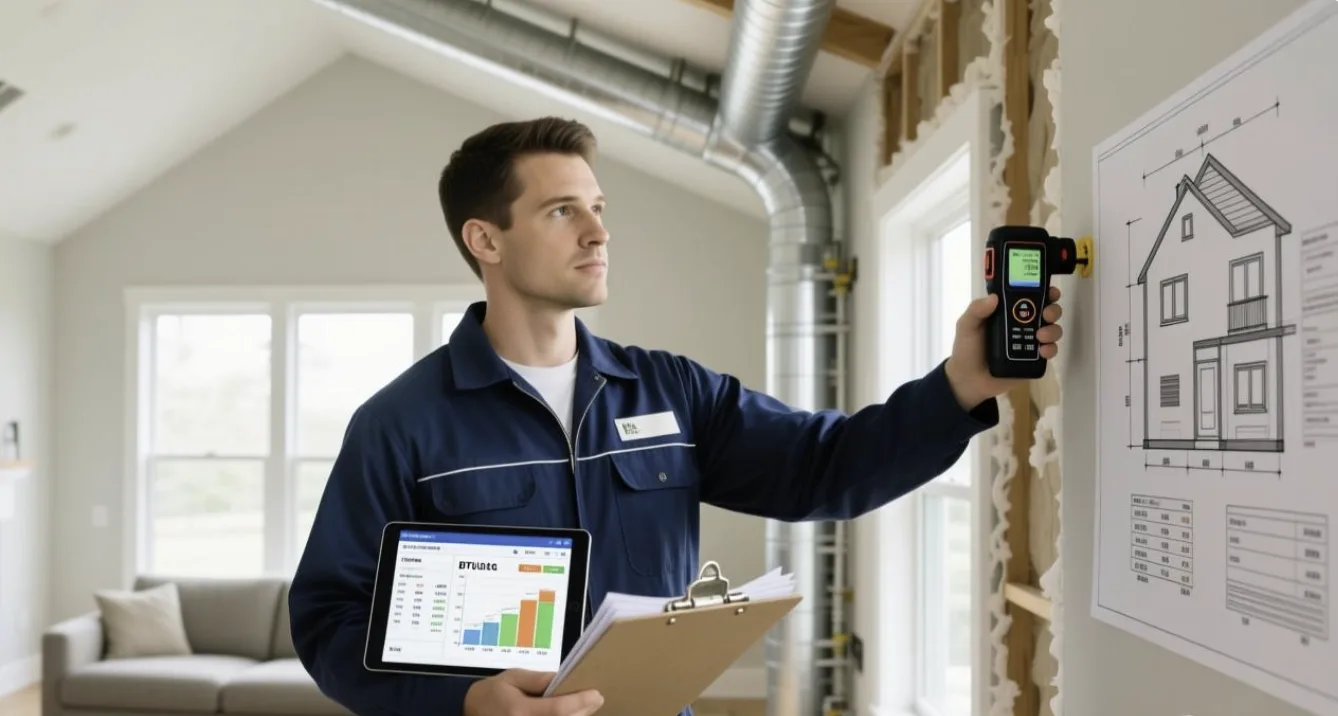
To determine the correct size, professionals perform a load calculation based on your home’s layout, insulation, and climate. Proper sizing ensures
optimal performance, comfort, and efficiency.
Think About Indoor Air Quality and Humidity Control
Modern HVAC systems do more than just heat and cool—they also play a role in improving indoor air quality. Poor ventilation and high humidity can
lead to mold growth, allergens, and discomfort.
Adding solutions like a whole house dehumidifier or air purification system can enhance your HVAC performance. This is especially important for
basements, coastal areas, or homes with limited ventilation.
Budget and Long-Term Costs
When choosing HVAC equipment, consider both the initial investment and long-term expenses. Cheaper systems may save money upfront but often
result in higher energy bills and maintenance costs. On the other hand, high-quality systems offer better durability and efficiency.
It’s important to balance cost, performance, and lifespan to get the best value for your investment.
Work with a Professional HVAC Installer
Even the best HVAC equipment won’t perform well if it’s installed incorrectly. Hiring a qualified HVAC professional ensures proper sizing, installation,
and system calibration. They can also recommend the most suitable equipment based on your home’s specific needs.
Conclusion
Choosing the right HVAC equipment for your home doesn’t have to be complicated. By understanding your home’s requirements, selecting the appropriate system type, prioritizing energy efficiency, and ensuring proper sizing, you can create a comfortable and efficient indoor environment.
Enhancing your system with solutions like a portable dehumidifier or energy-efficient home dehumidifier can further improve air quality and comfort, making your HVAC system work even better year-round.