
Understanding the Dehumidifier Working Principle
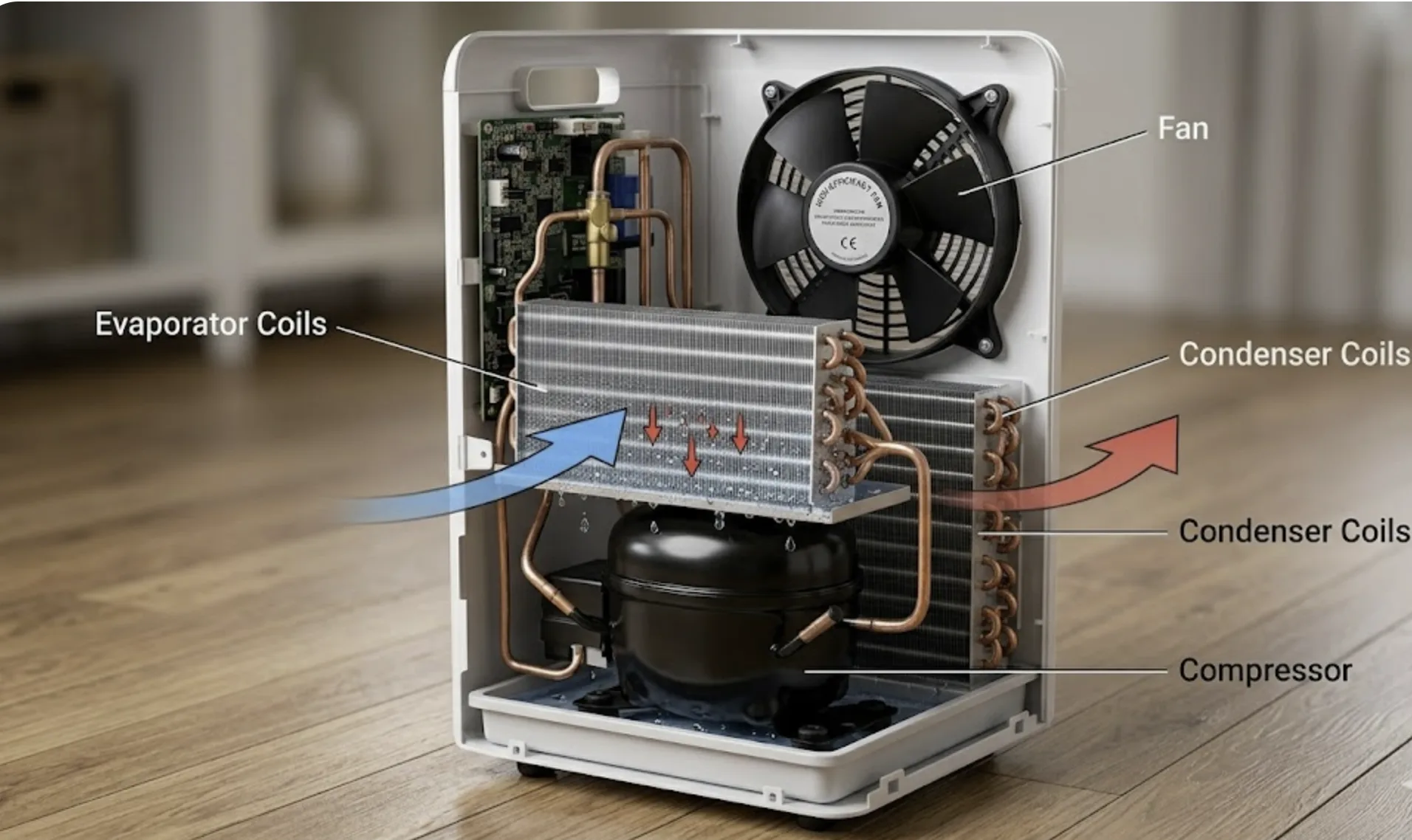
The dehumidifier working principle is based on removing excess moisture from the air to create a more comfortable and healthier indoor environment. Most commonly, dehumidifiers use a condensation process. A fan draws in humid air, which then passes over cold coils (evaporator). As the air cools, moisture condenses into water droplets that are collected in a tank. The dry air is then reheated and released back into the room. This continuous cycle effectively reduces humidity levels.
Types of Dehumidifiers and How They Work
There are two main types of dehumidifiers: refrigerant (compressor-based) and desiccant. Refrigerant dehumidifiers follow the standard humidity removal process using cooling and condensation, making them ideal for warm and humid climates. Desiccant dehumidifiers, on the other hand, use moisture-absorbing materials to extract water from the air, making them suitable for cooler environments. Both types operate based on similar air circulation principles but differ in efficiency and application scenarios.
Key Components in a Dehumidifier System
To better understand the dehumidifier working mechanism, it’s important to know its core components. These include the compressor, evaporator coils, condenser coils, and fan. The compressor circulates refrigerant, the evaporator cools the air to condense moisture, and the condenser reheats the air before it is released. Modern units also include humidity sensors and smart controls, allowing for automatic operation and improved energy efficiency.
Benefits and Common Applications of Dehumidifiers
Dehumidifiers are widely used in homes, offices, basements, and storage spaces. By maintaining optimal humidity levels, they help prevent mold growth, reduce allergens like dust mites, and protect furniture and electronics from moisture damage. Additionally, they improve indoor air quality and overall comfort. Their versatility makes them essential in areas with high humidity or poor ventilation.
Cetus Home Dehumidifiers: Features and Advantages
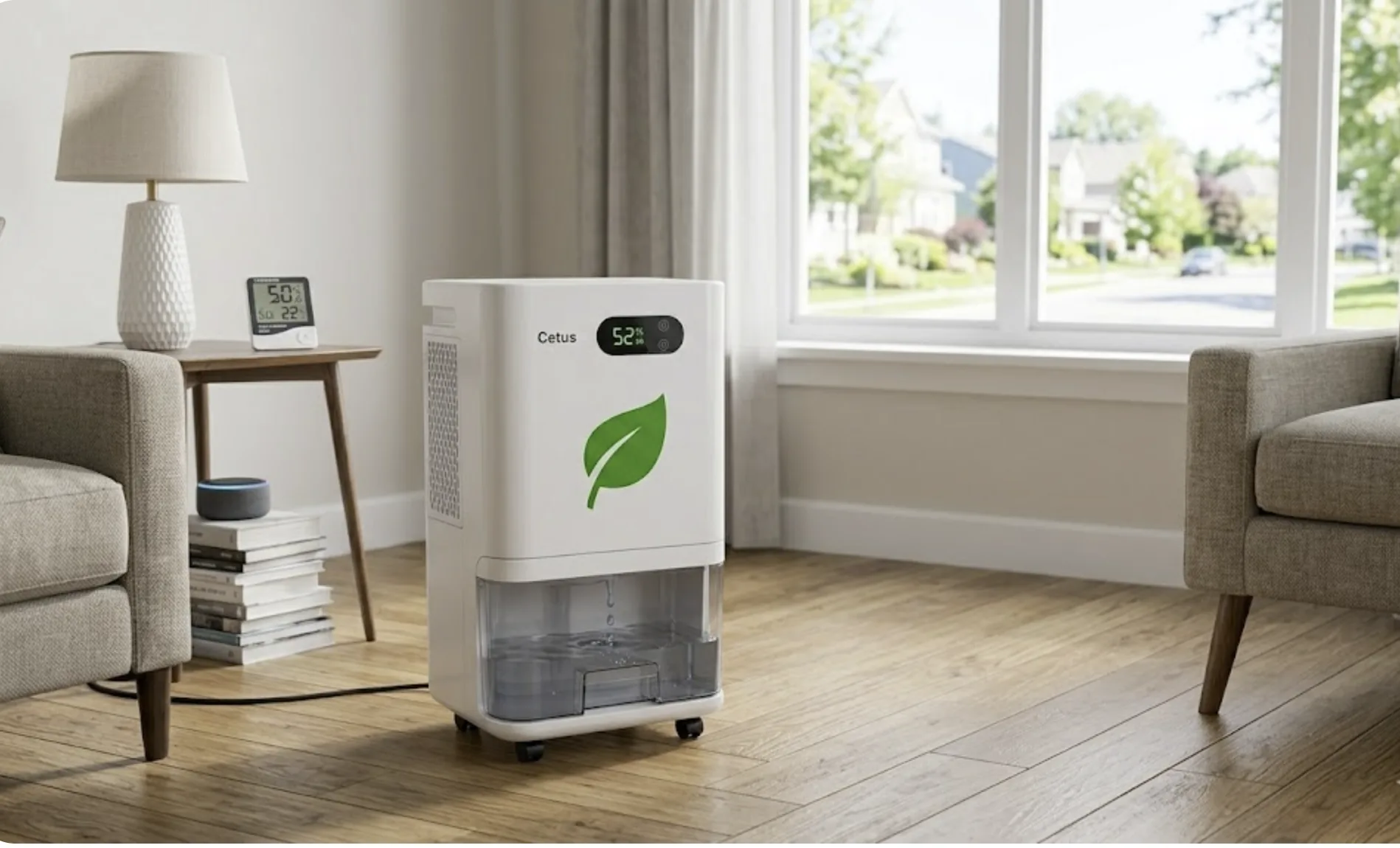
Cetus is a trusted brand specializing in advanced home dehumidification solutions. According to its official website (https://www.cetusdry.com/), Cetus home dehumidifiers are designed with high efficiency, energy-saving technology, and intelligent humidity control systems. These units automatically adjust operation based on ambient humidity levels, ensuring optimal performance with minimal energy consumption. Key features include large water tank capacity, quiet operation, and portable designs for easy placement in bedrooms, living rooms, and basements. Cetus products are ideal for creating a healthier and more comfortable living environment.
FAQ
What is the basic dehumidifier working principle?
A dehumidifier removes moisture from the air through condensation or absorption, reducing indoor humidity levels.
Do dehumidifiers cool the air?
They may slightly cool the air during operation, but their main function is moisture removal, not cooling.
How long should a dehumidifier run each day?
Typically, 6–12 hours per day depending on humidity levels and room size.
Are dehumidifiers energy efficient?
Most modern dehumidifiers are designed to be energy-efficient, especially with smart humidity controls.
Where should a dehumidifier be placed?
It works best in damp areas such as basements, bedrooms, or near moisture-prone spaces.