
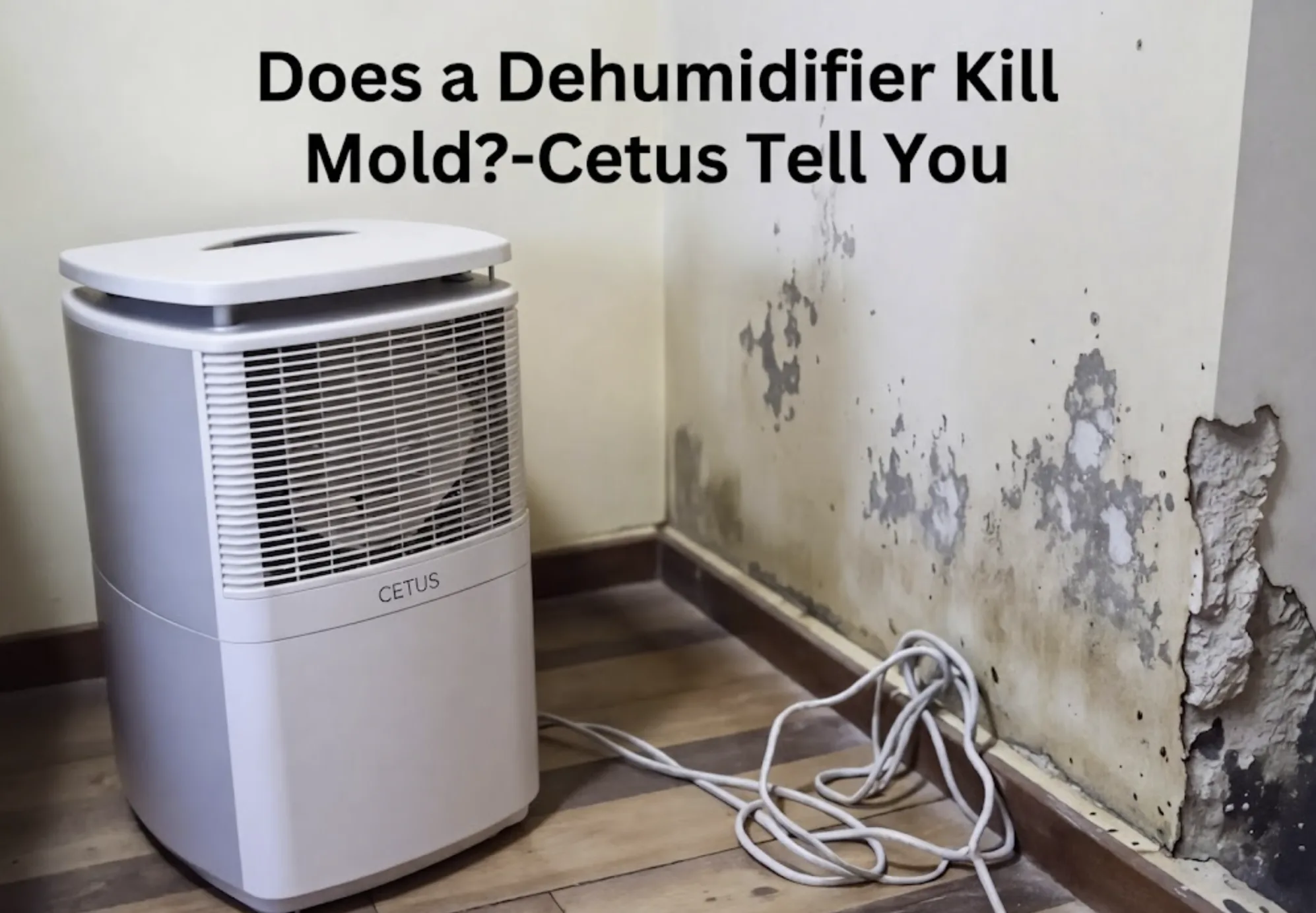
Mold is a common problem in homes and offices, especially in areas with high humidity. Many people turn to dehumidifiers hoping to eliminate mold, but how effective are they really? This article explores the role of dehumidifiers in mold prevention and control, clarifies common misconceptions, and provides practical guidance for maintaining a healthy indoor environment.
Will A Dehumidifier Kill Mold Or Just Stop Mold Growth Effectively?
Dehumidifiers are highly effective at preventing mold growth by reducing the moisture in the air, which mold needs to thrive. However, it’s important to understand that dehumidifiers do not kill mold that is already present. They remove the conditions that allow mold to grow but cannot eradicate mold colonies that have already developed on surfaces.
Why Does Mold Keep Returning Even With a Dehumidifier?
Even if you use a dehumidifier, mold can return due to:
Hidden Moisture Sources: Leaky pipes, damp walls, or poor ventilation can create localized humidity pockets.
Residual Mold Spores: Mold spores are microscopic and can remain in carpets, insulation, or behind walls.
Incorrect Humidity Levels: Indoor humidity above 50–60% can still support mold growth.
Delayed Cleaning: Without physically removing existing mold, spores can easily regrow once conditions are favorable.
What Exactly Does a Dehumidifier Do?
A dehumidifier works by drawing moist air over cooling coils or absorbent materials (depending on the type), condensing water vapor, and collecting it in a tank or draining it away. The primary benefits include
Maintaining indoor humidity at safe levels (typically 30–50%)
Reducing the risk of mold, mildew, and dust mites
Improving indoor air quality and comfort
Protecting furniture, electronics, and structural components from moisture damage
Can a Dehumidifier Kill or Remove Mold?
No. Dehumidifiers cannot kill mold on surfaces. They can:
Prevent new mold growth by keeping humidity low
Slow down mold proliferation in areas where moisture is reduced
To actually remove mold, physical cleaning, professional remediation, or mold-killing agents are necessary. Dehumidifiers are only one part of a comprehensive mold control strategy.
When Is a Dehumidifier Useful, and When Is It Not?
Useful When
Indoor humidity is consistently high
The environment is prone to condensation, such as basements or bathrooms
Mold has not yet established or is minimal and manageable
Not Useful When
Mold has already spread extensively on walls, ceilings, or HVAC systems
Moisture sources are structural (e.g., leaks, foundation seepage)
There is poor ventilation that prevents effective air circulation
Common Misconceptions About Dehumidifiers and Mold
“A dehumidifier will kill mold.” — False. It only prevents growth.
“Higher capacity is always better.” — False. Overpowered units may waste energy without solving localized damp spots.
“Once installed, mold won’t come back.” — False. Continuous monitoring and maintenance are necessary.
Signs You Need Professional Mold Removal Services
-
Persistent or spreading mold patches on walls or ceilings
-
Strong musty odors that remain after cleaning
-
Mold inside HVAC systems or behind walls
-
Health symptoms such as chronic allergies, coughing, or respiratory issues linked to indoor mold exposure
How to Use a Dehumidifier Effectively
To maximize the benefits of a dehumidifier:
Place it strategically in damp areas, ideally where air circulates freely.
Set the right humidity level (generally 40–50%).
Empty the water tank or use a continuous drainage option regularly.
Combine with proper ventilation to prevent localized damp spots.
Maintain and clean filters to ensure optimal performance.
FAQ
Q1: Can I rely solely on a dehumidifier to prevent mold?
A: No, while it helps control humidity, regular cleaning, ventilation, and moisture source management are essential.
Q2: How low should indoor humidity be to prevent mold?
A: Ideally between 30–50% relative humidity.
Q3: Can I use a dehumidifier in cold climates?
A: Yes, but choose a desiccant dehumidifier or a model designed for low temperatures, as compressor units may be less effective.
Q4: How often should I run a dehumidifier?
A: Continuously in areas with high humidity or during rainy seasons. For moderate conditions, periodic use may suffice.
Conclusion:
A dehumidifier is an excellent tool to prevent mold growth and maintain a healthy indoor environment, but it is not a solution for removing existing mold. For severe infestations, professional mold remediation is necessary. Using a dehumidifier effectively, combined with proper cleaning and ventilation, ensures your home or office remains comfortable, safe, and mold-free.