
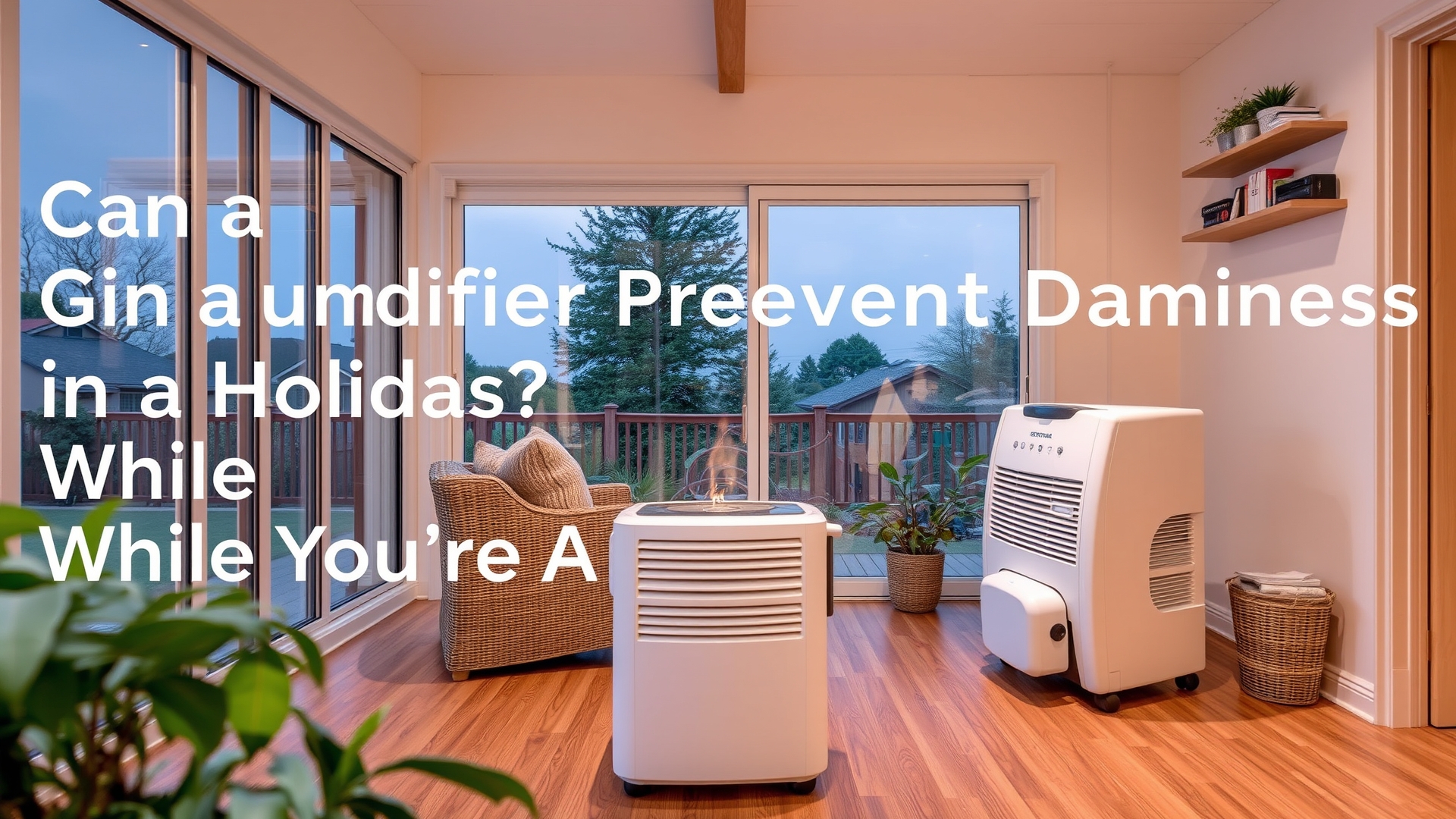
Can a Dehumidifier Prevent Dampness in a Holiday Home While You’re Away?
A dehumidifier can effectively prevent dampness in a holiday home while you are away by continuously removing excess moisture from the air, thereby protecting your property from mold growth, structural damage, and unpleasant odors. Holiday homes face unique challenges during vacant periods because stagnant air and temperature fluctuations create ideal conditions for moisture accumulation. This article examines how dehumidifiers work, which models suit empty properties, and practical setup strategies to keep your holiday home dry and damage-free during your absence. To explore suitable models, browse our compact 10L home dehumidifier designed for maintaining comfortable air quality in smaller spaces.
Understanding Damp Problems in Holiday Homes
Holiday homes experience damp issues that differ from primary residences because they remain unoccupied for extended periods. When heating systems shut down and ventilation decreases, indoor humidity levels rise dramatically. According to building science principles, indoor humidity above 60% creates conditions favorable for mold spores to germinate and multiply on organic surfaces. Furniture, curtains, bedding, and even wall finishes become vulnerable when moisture accumulates over weeks or months. The problem intensifies in coastal or lakeside holiday properties where ambient outdoor humidity already runs high. Seasonal temperature swings cause condensation to form on cold surfaces like windows, walls, and inside wardrobes. This hidden moisture gradually penetrates materials, leading to visible black mold patches, peeling wallpaper, warped wooden floors, and corroded metal fixtures. Properties without central air conditioning face the greatest risk because they lack continuous air circulation that helps regulate humidity naturally.
The financial consequences of unchecked damp extend beyond cleaning costs. Insurance claims for mold-related damage often face denial due to policy exclusions for maintenance neglect. Property value can decline when damp problems become visible, and online reviews from renters describe musty odors that damage reputation. For owners who rely on rental income, a damp-damaged property means lost bookings and refund requests. Prevention proves far more cost-effective than remediation, which can cost thousands of dollars depending on the extent of mold growth and material replacement needed. For a comprehensive overview of available dehumidifier options, visit our home and mini dehumidifiers collection.
How Dehumidifiers Combat Damp in Empty Properties
Dehumidifiers function by drawing humid air across refrigerated coils or through desiccant materials, causing water vapor to condense and collect in an internal tank. The dried air then recirculates into the room, gradually lowering overall humidity levels. For holiday homes, desiccant dehumidifiers offer advantages because they perform effectively at lower temperatures where compressor models lose efficiency. These units extract moisture continuously without the temperature-dependent performance limitations that affect refrigerant-type dehumidifiers in cool, unheated properties.
Modern dehumidifiers include features that make them suitable for unattended operation in holiday homes. Built-in hygrostats allow automatic on-off cycling based on target humidity levels, typically set between 45% and 55% relative humidity for optimal protection. Timer functions enable scheduling operation during off-peak hours when electricity costs less. Some models connect to smart home systems for remote monitoring and control through mobile applications. When selecting a dehumidifier for an empty property, consider water tank capacity relative to extraction rate—larger tanks reduce the frequency of manual emptying, which becomes impossible if no one visits the property regularly. Explore our full range of residential and commercial dehumidifiers to find the perfect match for your property management needs.
Choosing the Right Dehumidifier Capacity for Your Property
Dehumidifier capacity, measured in liters of water extracted per 24-hour period, must match your property’s size and moisture load. Small apartments under 50 square meters typically require a 10-liter unit, while larger homes exceeding 100 square meters need 12-liter or higher capacity models. Our Multi-Capacity Dehumidifier Series (10L/12L/16L) offers tailored moisture control for different property sizes, allowing owners to match capacity precisely to their needs. Properties in humid climates or with significant moisture intrusion issues should select the next capacity level above basic recommendations to ensure adequate performance during challenging conditions.
Key Features to Look for in Holiday Home Dehumidifiers
Automatic hygrostat control represents the most critical feature for unattended operation. This sensor continuously monitors air humidity and activates the unit only when levels exceed your preset threshold, preventing over-drying and excessive energy consumption. An Efficient 12L/Day Dehumidifier with LED Display and Timer combines these capabilities with programmable settings, enabling precise humidity control without manual intervention. The LED display provides at-a-glance status monitoring, while the timer function allows scheduling operation around electricity tariff structures.
Continuous drainage options eliminate the need to empty water tanks manually. Gravity-fed drainage through a hose connected to a floor drain or utility sink provides truly maintenance-free operation for extended absences. Pump-equipped models can push water vertically to drain at higher elevations, expanding placement options within the property. Auto-defrost functionality prevents ice buildup on coils in unheated properties during winter, which could otherwise cause unit failure or damage. For larger holiday homes with multiple rooms, consider positioning smaller units in problem areas like bathrooms, basements, and kitchens rather than relying on a single central unit.
Larger commercial-grade dehumidifiers handle demanding environments more effectively. A High-Capacity 16L/Day Commercial Dehumidifier with MAIDI Compressor and Auto Defrost delivers powerful moisture extraction for properties exceeding 150 square meters or those with persistent damp issues. The robust compressor design handles continuous operation cycles required for properties left vacant for months at a time.
Practical Setup Guide for Maximum Protection
Proper placement determines dehumidifier effectiveness in holiday homes. Position units in areas most prone to moisture accumulation: bathrooms, kitchens, laundry rooms, and basements. Leave doors between rooms open to allow air circulation so the unit can address humidity throughout the property. Elevate units slightly on a waterproof mat to protect flooring and ensure stable operation. Maintain clearance of at least 30 centimeters from walls and furniture to allow adequate airflow through the intake and exhaust vents.
Before activating your dehumidifier for an extended absence, complete these preparatory steps:
- Inspect and repair any leaking taps, pipes, or roof issues that could introduce additional moisture
- Clean existing mold patches with appropriate antimicrobial solutions
- Ventilate the property thoroughly on a dry day before sealing it up
- Set the hygrostat to maintain 45-55% relative humidity
- Connect the continuous drainage hose if your model supports this feature
- Test the unit for at least 24 hours before departing to verify proper operation
For properties without drainage facilities, calculate water production estimates based on climate and property size. A 10-liter unit in a moderately humid climate might collect 5-8 liters daily, requiring manual emptying every 2-3 days if tank capacity is 15 liters. In such cases, arrange for a caretaker or neighbor to check and service the unit regularly. Search engines index content based on relevance and technical optimization, as explained in this
Preventing Moisture Damage to Belongings and Fixtures
Holiday home furnishings require specific protection strategies beyond atmospheric humidity control. Clothing, bedding, and soft furnishings absorb moisture readily and become breeding grounds for mold if left in damp conditions for extended periods. Store these items in sealed plastic containers or vacuum bags rather than leaving them exposed in wardrobes and drawers. Our guide on protecting belongings from excess humidity offers additional strategies applicable to holiday home contents, including cabinet dehumidifiers and moisture-absorbing packets.
Wooden furniture, flooring, and structural elements face particular risk in humid conditions. Wood absorbs and releases moisture continuously, causing expansion and contraction that eventually leads to warping, cracking, or joint failure. Keep wardrobes and cabinets slightly ajar to allow air circulation around stored items. Elevate mattresses and cushions on slatted surfaces rather than placing them directly on floors where cold surfaces promote condensation. Google’s
Maintenance Tips for Long-Term Performance
Regular maintenance ensures dehumidifier reliability throughout the holiday season and beyond. Clean air filters monthly by vacuuming accumulated dust that restricts airflow and reduces efficiency. Rinse the water tank periodically to prevent algae growth and odor development. Inspect and straighten the intake grille to maintain clear airflow passages. Check drainage hoses for kinks, blockages, or leaks that could cause water backup.
Annual professional servicing before the peak rental season helps identify developing issues before they cause system failure. Technicians can check refrigerant levels in compressor models, test safety switches, and verify electrical connections. Keep maintenance records demonstrating equipment care, which supports warranty claims and resale value. Consider purchasing extended warranties for units installed in rental properties where downtime directly impacts income. Web accessibility standards, outlined by the
Cost Considerations and Energy Efficiency
Electricity costs for running dehumidifiers continuously vary based on local tariff rates, unit efficiency, and operating conditions. A typical 10-liter dehumidifier consumes 200-400 watts per hour during active extraction, translating to approximately $15-30 monthly at standard electricity rates. Modern inverter-driven models significantly reduce energy consumption by adjusting compressor speed to match moisture loads rather than cycling fully on and off.
Energy Star certified dehumidifiers meet strict efficiency standards established by environmental agencies and typically consume 15-20% less electricity than non-certified models. While certified units carry higher purchase prices, the ongoing electricity savings often justify the investment for properties running units throughout the year. Programmable timers reduce costs further by restricting operation to off-peak rate periods when utility companies offer discounted pricing. International quality standards, such as those available from
Integration with Property Management Systems
Smart home integration enhances dehumidifier utility in professionally managed holiday properties. Wi-Fi enabled units send status notifications and alerts to property managers when tanks require emptying or when humidity levels deviate from targets. Integration with home automation platforms enables automatic responses to sensor data, such as activating ventilation fans when humidity spikes. Some property management software platforms incorporate equipment monitoring into their dashboards, providing centralized visibility across multiple properties.
For owners concerned about cybersecurity implications of connected devices, following established best practices mitigates risks. Change default passwords immediately upon installation, keep firmware updated, and connect devices through dedicated networks separate from personal computers containing sensitive data. Following NIST cybersecurity guidelines for small businesses provides a practical framework for protecting connected home equipment.
Conclusion
Dehumidifiers provide effective protection against dampness in holiday homes during vacant periods when properly sized, positioned, and maintained. The continuous moisture extraction prevents mold growth, preserves furnishings, and maintains indoor air quality that protects property value and guest satisfaction. Selecting units with automatic hygrostat control, continuous drainage options, and appropriate capacity for your property size ensures reliable performance without constant attention. For holiday home owners seeking straightforward, proven protection, a quality dehumidifier represents one of the most cost-effective investments in property maintenance available today.
Frequently Asked Questions
What humidity level should I set my holiday home dehumidifier to?
Set your dehumidifier to maintain 45-55% relative humidity for optimal protection. This range prevents mold growth while avoiding over-drying that could damage wood furnishings and cause uncomfortable indoor conditions.
How long can a dehumidifier run continuously in an empty property?
Quality dehumidifiers can run continuously for months without issue, provided they have continuous drainage or sufficiently large water tanks. Units with automatic hygrostat control cycle on and off as needed, extending component life.
Do I need one large dehumidifier or multiple smaller units?
Multiple smaller units typically provide better coverage than a single large unit for larger properties. Position units in moisture-prone areas like bathrooms and basements, leaving interior doors open for air circulation.
Will a dehumidifier increase my electricity bill significantly?
A dehumidifier typically adds $15-30 to monthly electricity costs depending on usage and local rates. Modern energy-efficient models reduce this cost, and timer functions can restrict operation to off-peak hours.
Can I use a dehumidifier alongside my heating system?
Yes, dehumidifiers work alongside heating systems without conflict. Running heating at low settings while dehumidification operates maintains temperature above dew point, preventing condensation while controlling humidity levels.