
Can a Dehumidifier Stop Window Condensation During Winter?
Window condensation during winter is a common problem caused by excess moisture in indoor air meeting cold glass surfaces. A dehumidifier can effectively reduce indoor humidity levels, which helps minimize condensation on windows. Understanding how these devices work and their proper application can significantly improve your home’s comfort during cold months. For optimal indoor air quality, consider a Wholesaler Easy-to-Use 10L Home Dehumidifier for Comfortable Air and Dry Space price – saitesi designed specifically for residential spaces.
Understanding Window Condensation in Winter
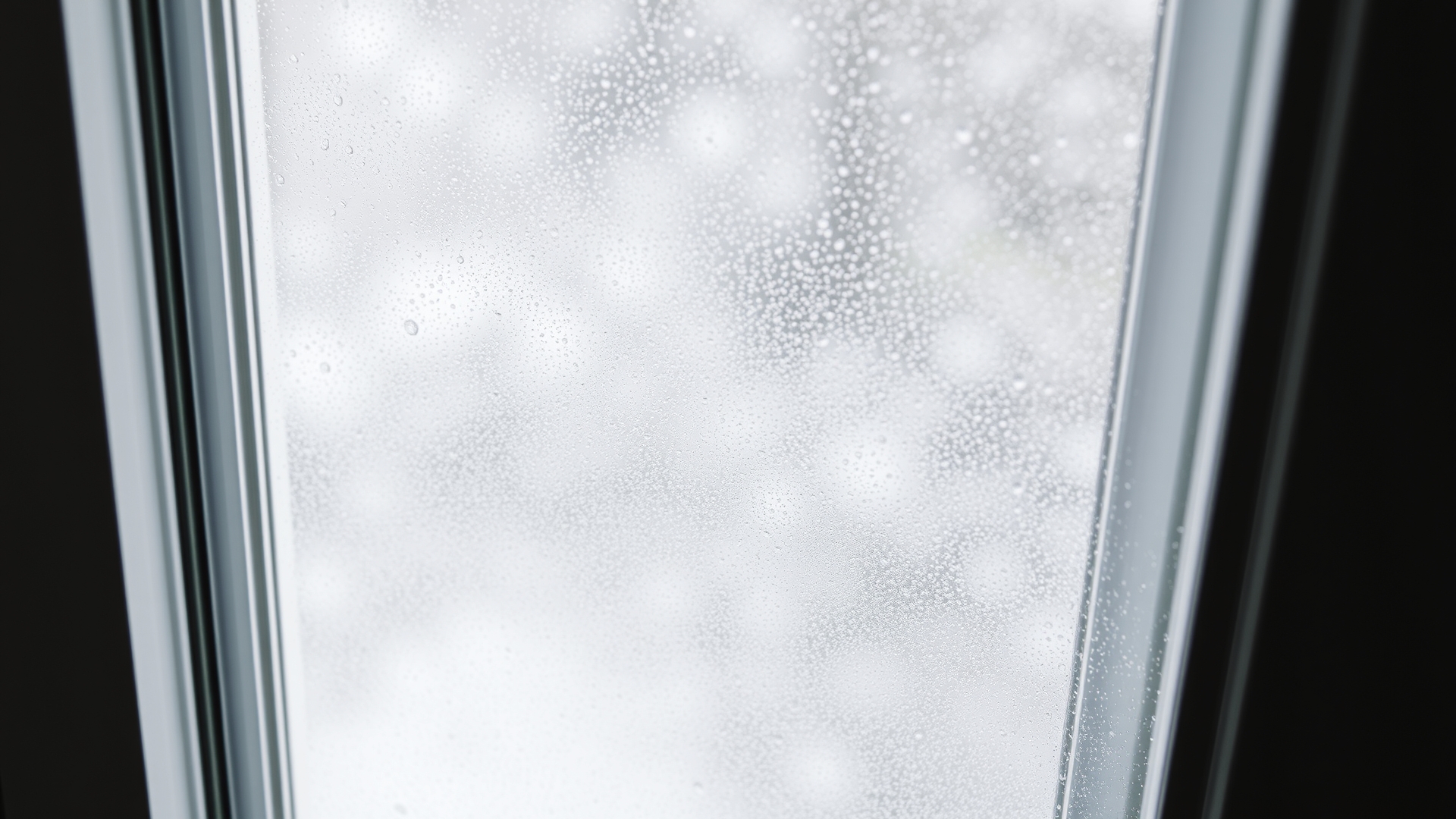
Window condensation forms when water vapor in the air reaches its dew point temperature. During winter, exterior glass temperatures drop significantly due to outdoor conditions. Indoor air, which holds more moisture when warm, contacts this cold surface and causes water droplets to form. According to the U.S. Department of Energy, maintaining indoor relative humidity between 30-50% typically prevents condensation issues on windows.
The primary sources of indoor moisture include cooking, bathing, breathing, and laundry activities. Each household generates substantial water vapor daily. When this moisture-laden air contacts cold window surfaces, condensation becomes visible. Poor ventilation accelerates this process by trapping humid air inside.
Single-pane windows are particularly susceptible to condensation compared to double or triple-pane alternatives. Older windows with inadequate seals often experience more severe condensation problems. Understanding your window type helps determine the severity of your condensation issue and appropriate solutions. For comprehensive moisture management, explore our Dehumidifier Products – Home & Mini Dehumidifiers – saitesi designed to address various humidity challenges.
How Dehumidifiers Address Window Condensation
Dehumidifiers work by drawing moist air over refrigerated coils or through desiccant materials. The moisture condenses and collects in a tank, while dry air returns to the room. This process directly reduces the amount of water vapor in indoor air, lowering relative humidity. When humidity decreases, the air’s capacity to hold moisture increases, reducing the likelihood of condensation formation on cold surfaces.
An efficient Wholesaler Efficient 12L/Day Dehumidifier with LED Display and Timer for Home & Office manufacturer – saitesi can maintain consistent humidity levels in most living spaces. These units feature programmable settings that allow users to target specific humidity ranges. The automatic humidistat monitors ambient conditions and adjusts operation accordingly.
However, dehumidifiers cannot completely eliminate condensation if humidity sources remain unchecked. The devices work best as part of a comprehensive moisture management approach. Combining dehumidification with proper ventilation and source control produces the most effective results.
Choosing the Right Dehumidifier Capacity
Dehumidifier capacity directly impacts effectiveness for window condensation control. Capacity is measured in liters of water removed per 24 hours. For typical residential spaces up to 50 square meters, a 10-liter unit provides adequate moisture control. Larger areas or particularly humid environments may require 12-liter or 16-liter models.
A High Quality High-Capacity 16L/Day Commercial Dehumidifier with MAIDI Compressor & Auto Defrost price – saitesi handles demanding conditions effectively. The auto defrost feature prevents ice buildup on coils during cold operation, maintaining consistent performance. These units suit open-plan living areas or homes with persistent condensation issues.
Wholesaler 10L/12L/16L Dehumidifier for Home, Office & Commercial manufacturer – saitesi offers flexibility for varying conditions throughout winter. Users can select appropriate settings based on current humidity levels and room size. This adaptability ensures optimal performance regardless of weather severity.
Steps to Reduce Window Condensation Using a Dehumidifier
Implementing a dehumidifier effectively requires a systematic approach. The following steps maximize condensation reduction results:
- Measure baseline humidity levels using a hygrometer to understand your starting point
- Set your dehumidifier target humidity between 30-45% for optimal comfort and condensation prevention
- Position the unit near condensation-prone windows but ensure adequate airflow around the device
- Run the dehumidifier during peak moisture activities like cooking and showering
- Empty the water tank regularly or connect to a drain for continuous operation
- Monitor humidity levels weekly and adjust settings as outdoor conditions change
Complementary Strategies for Window Condensation Prevention
While dehumidifiers significantly reduce condensation, combining multiple approaches yields best results. Proper ventilation removes moist air before it contacts cold surfaces. Opening windows slightly during and after moisture-generating activities allows humid air to escape. Following
Improving window insulation reduces glass surface temperature differentials. Thermal curtains or cellular shades create an insulating barrier. Installing storm windows adds another glass layer that maintains warmer interior surface temperatures. Developers can reference
Addressing moisture sources at their origin prevents humidity accumulation. Using exhaust fans during cooking and bathing captures moisture at the source. Covering pots while cooking and taking cooler showers reduces vapor generation significantly. For additional guidance on industrial moisture challenges, consult
Garage tool storage areas often experience humidity-related issues similar to window condensation. Understanding How Can You Protect Garage Tools from Rust and Excess Humidity? – saitesi demonstrates the broader impact of indoor moisture management. These principles apply directly to residential condensation control.
When Dehumidifiers May Not Solve Window Condensation
In some situations, dehumidifiers alone cannot resolve condensation problems. Structural issues like water leaks or foundation seepage introduce moisture that exceeds dehumidifier capacity. These conditions require professional assessment and remediation before moisture control becomes effective. For accessibility compliance in technical documentation, refer to
Inadequate building insulation causes condensation on walls and around window frames, not just glass surfaces. This indicates thermal bridging issues that humidity control cannot address. Improving wall and window frame insulation provides the appropriate solution. International quality standards for building materials can be reviewed at
Extremely cold climates may overwhelm residential dehumidifiers during severe weather periods. When outdoor temperatures drop significantly, single-pane windows may still accumulate condensation despite optimal indoor humidity. Window replacement or storm window installation offers the most permanent solution in these cases.
Maintenance Tips for Optimal Dehumidifier Performance
Regular maintenance ensures your dehumidifier continues effectively controlling window condensation. The following practices maintain peak performance throughout winter:
- Clean or replace air filters monthly to maintain airflow efficiency
- Drain and rinse the water tank weekly to prevent mold and bacterial growth
- Check and clean coils every few weeks to prevent frost buildup
- Inspect the condensate pump and drainage system for blockages
- Store the unit properly during spring and summer months
Conclusion
Dehumidifiers effectively reduce window condensation during winter by lowering indoor humidity levels. Selecting an appropriately sized unit and combining its use with proper ventilation and moisture source control produces optimal results. While not a universal solution for all condensation scenarios, dehumidifiers represent an effective first-line approach for most households experiencing winter window condensation problems.
Frequently Asked Questions
- 1.What humidity level prevents window condensation in winter?
- Indoor relative humidity between 30-45% typically prevents window condensation during winter months. Using a hygrometer helps monitor levels accurately.
- 2.Will a 10L dehumidifier work for an entire house?
- A 10L dehumidifier suits individual rooms or spaces up to approximately 50 square meters. Larger homes require multiple units or higher-capacity models.
- 3.Should I run my dehumidifier continuously during winter?
- Continuous operation may be necessary in particularly humid homes or during severe cold spells. Many modern units feature automatic humidity control that cycles operation as needed.
- 4.Can window condensation damage my home?
- Persistent condensation can damage window frames, sill paint, and promote mold growth. Addressing condensation promptly prevents these secondary issues.
- 5.When should I consider window replacement instead of using a dehumidifier?
- Old single-pane windows that consistently condense despite humidity control efforts benefit from replacement. Newer double or triple-pane windows with low-E coatings significantly reduce condensation formation.