
How Can You Maintain the Perfect Humidity Level in a Wine Cellar?
Maintaining the perfect humidity level in a wine cellar is essential for preserving wine quality over years or decades. Wine requires a specific range of 60-70% relative humidity to prevent cork drying, mold growth, and premature aging. This guide covers the science, tools, and strategies needed to achieve and maintain optimal cellar humidity conditions consistently. Whether you operate a small home cellar or a large commercial wine storage facility, understanding these principles will protect your investment and ensure your wine ages gracefully. For collectors looking to optimize their storage operations, understanding
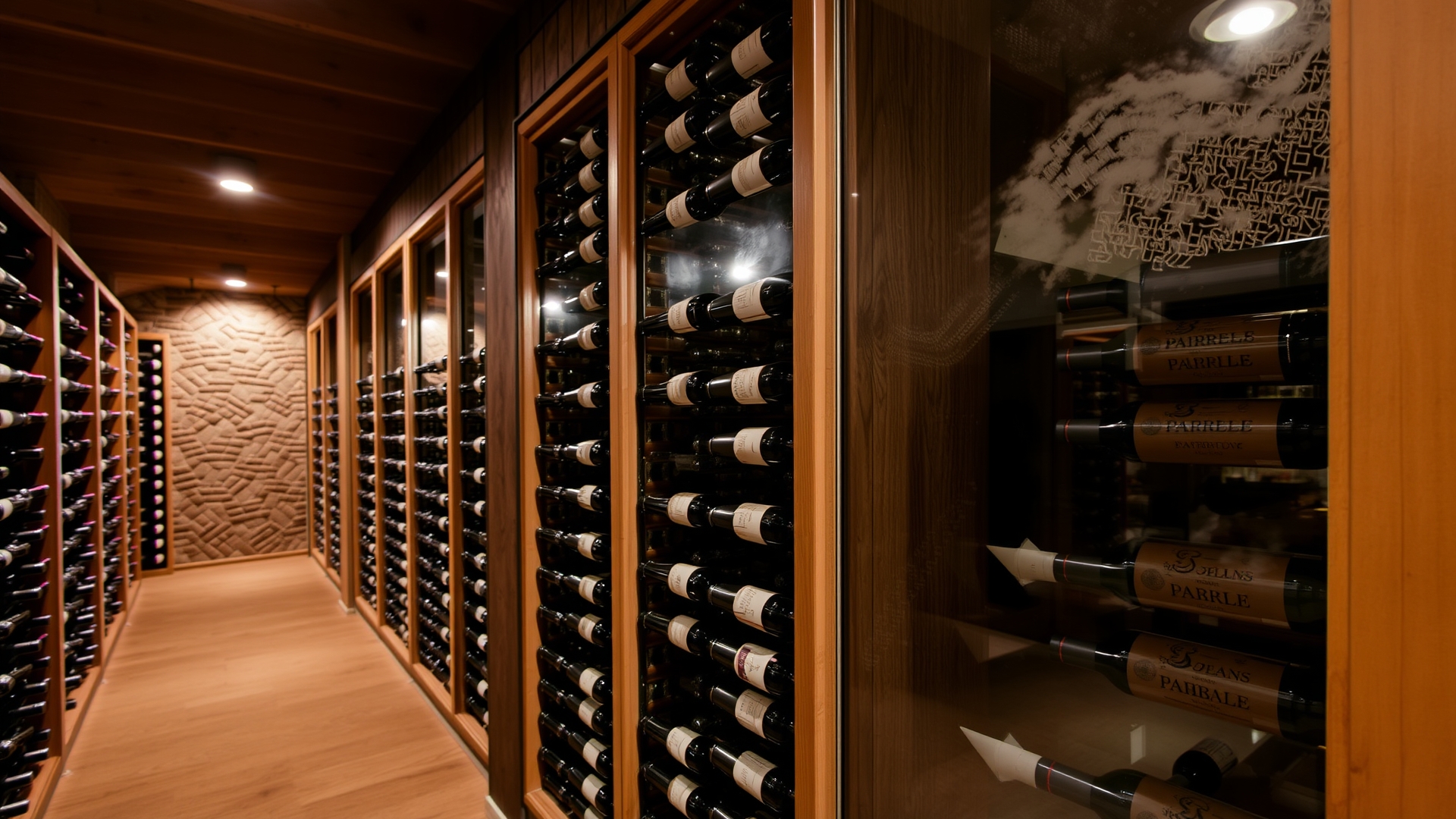
Why Humidity Matters for Wine Storage
Humidity directly impacts wine preservation through its effect on corks and labels. Cork seals contain tiny pores that allow minimal oxygen exchange, which is necessary for controlled wine aging. When humidity drops below 50%, corks shrink and lose their seal, allowing excess oxygen to enter and spoil the wine. Conversely, humidity above 80% promotes mold growth on labels and wooden racks, degrading both aesthetics and value.
The relationship between humidity and temperature is equally important for long-term wine storage. According to the , stable environmental conditions are fundamental to preserving wine integrity. High humidity combined with warm temperatures creates conditions for rapid oxidation and microbial spoilage. Wine experts consistently recommend maintaining relative humidity between 60-70% as the optimal balance that preserves both the wine and its presentation.
Short-term humidity fluctuations cause the most damage in wine cellars. Rapid changes stress the cork seal and can lead to seepage or evaporation losses. A stable humidity environment, even if slightly off-target, is preferable to one that oscillates frequently. This is why professional wine storage facilities invest in continuous monitoring and automated correction systems rather than manual adjustments.
Measuring Humidity in Your Wine Cellar
Accurate measurement is the foundation of effective humidity management. Digital hygrometers provide real-time readings and should be placed at multiple points throughout the cellar, including near the ceiling where humidity tends to be higher and at bottle level where your wines rest. Following small business measurement standards helps ensure consistent calibration practices. Calibration against a known reference every six months ensures continued accuracy.
Data loggers offer superior tracking capabilities by recording humidity readings at regular intervals over extended periods. These devices reveal patterns that spot measurements miss, such as daily fluctuations caused by HVAC cycles or seasonal trends as outdoor conditions change. Modern data loggers can connect to smartphones for remote monitoring and alert notifications when humidity exits the acceptable range. For technical implementation details, refer to
Placement of measurement devices significantly affects readings. Direct sunlight, proximity to doors, and ventilation vents all create localized variations that may not represent overall cellar conditions. For most wine cellars, placing sensors at three height levels (floor, mid-height, and ceiling) provides comprehensive data for understanding your specific environment. Following

Choosing the Right Dehumidifier for Your Wine Cellar
Selecting an appropriately sized dehumidifier prevents both excessive drying and insufficient moisture removal. Capacity requirements depend on cellar volume, insulation quality, and typical use patterns. A compact 10L home dehumidifier handles cellars under 50 square feet effectively, while larger spaces require more powerful units.
Desiccant dehumidifiers excel in cooler cellars where compressor-based units struggle with efficiency. These systems use moisture-absorbing materials rather than refrigeration, making them suitable for cellars maintained at 50-55°F. For cellars with standard temperature ranges above 60°F, an efficient 12L/day dehumidifier with LED display and timer controls provides convenient automated operation.
Commercial wine storage facilities with extensive collections benefit from high-capacity commercial dehumidifiers rated at 16L/day or higher. These units include auto-defrost functions essential for reliable operation in cooler environments and provide the capacity needed for large volumes of storage space.
The multi-capacity dehumidifier series offers flexibility for growing collections by providing options across different capacity levels. This approach allows cellar owners to scale their humidity control equipment as their wine inventory expands without requiring entirely new systems.
Strategies to Increase Humidity When Needed
When humidity drops below the optimal range, several approaches can restore proper levels. Room humidifiers add moisture directly to the air and are effective for cellars experiencing dry conditions due to climate or HVAC influence. Ultrasonic humidifiers produce fine mist that disperses quickly, while evaporative models add humidity through natural evaporation processes.
Water features within the cellar provide passive humidity control through natural evaporation. A small decorative fountain or open water container introduces moisture gradually without the maintenance requirements of mechanical humidifiers. This approach works best as a supplement to primary humidity control rather than the sole source of moisture management.
Reducing ventilation during dry seasons prevents moisture loss when outdoor humidity is low. Sealing minor air leaks around doors and vents helps maintain internal humidity levels. However, complete airtightness creates other problems, so a balanced approach that allows minimal air exchange while preventing rapid moisture loss is ideal.
Strategies to Reduce Humidity When Needed
Excessive humidity above 80% poses risks of mold growth and label damage that can significantly reduce wine value. Dehumidifier products designed for home and commercial applications provide active moisture removal when passive methods prove insufficient. These units continuously extract moisture from the air and collect it for periodic removal.
Improving ventilation in humidity-prone cellars allows moisture-laden air to escape while drawing in drier air from adjacent spaces. Exhaust fans with humidity sensors can automate this process, activating when readings exceed acceptable thresholds. This approach works particularly well in cellars located in basements or below-grade spaces where natural air circulation is limited.
Insulation upgrades address humidity problems caused by condensation forming on cellar walls and ceilings. Vapor barriers installed during renovation prevent moisture from penetrating cellar surfaces where it would otherwise condense and raise humidity levels. Combining insulation with dehumidification provides comprehensive humidity control that addresses both symptoms and causes.
Seasonal Humidity Management
Seasonal changes present the greatest challenge for wine cellar humidity control. Summer months typically bring higher outdoor humidity that infiltrates cellars through walls and ventilation systems. During this period, dehumidifiers work overtime and may require emptying more frequently. Monitoring readings daily during humid seasons helps catch problems before they affect wine quality.
Winter conditions create opposite challenges, particularly in heated homes where indoor humidity drops significantly. Cellars adjacent to heated living spaces experience moisture migration toward drier areas, potentially lowering cellar humidity below safe levels. Running humidifiers or reducing ventilation during winter helps maintain consistency with summer conditions.
Spring and fall transition periods often create the most stable conditions for wine cellars, with moderate outdoor temperatures and humidity levels closer to ideal ranges. These seasons provide opportunities to recalibrate monitoring equipment and assess whether your humidity control systems performed adequately through the preceding extreme season.
Common Problems and Solutions
Condensation on bottles and racks indicates humidity exceeds safe levels and requires immediate attention. This issue commonly occurs when warm, humid air enters a cooler cellar. Improving door seals, reducing cellar access frequency, and activating dehumidification typically resolves condensation problems within days.
Cork shrinkage manifests as low fill levels in bottles, with wine receding from the cork. This damage results from prolonged exposure to humidity below 50% and cannot be reversed. Prevention through consistent humidity monitoring is essential, as affected bottles will experience accelerated aging and potential spoilage.
Mold on labels and wooden surfaces develops when humidity exceeds 75% for extended periods. Addressing mold requires lowering humidity immediately and cleaning affected areas with appropriate fungicides safe for wine storage environments. Prevention through humidity control is far more effective than remediation after mold establishes itself.
Understanding how humidity affects wine storage helps prevent similar damage to other valuable items. The principles of humidity protection apply across many storage contexts, from wine collections to collectibles, tools, and documents that share similar environmental requirements.
Conclusion
Maintaining perfect humidity levels in a wine cellar requires understanding optimal ranges (60-70%), implementing accurate measurement systems, and deploying appropriately sized humidity control equipment. Regular monitoring, seasonal adjustments, and prompt attention to fluctuations protect your wine investment from the damaging effects of both excessive and insufficient moisture. By investing in proper humidity control infrastructure and developing consistent monitoring habits, you ensure your wine collection ages gracefully while retaining both quality and value.
Frequently Asked Questions
What is the ideal humidity level for wine storage?
The ideal relative humidity for wine storage ranges from 60% to 70%. This range maintains cork integrity while preventing mold growth on labels and wooden components. Consistency matters more than hitting precise targets, so stable conditions slightly outside this range are preferable to frequent fluctuations.
What happens if wine cellar humidity is too low?
Humidity below 50% causes corks to dry and shrink, allowing excess oxygen to enter bottles and accelerate oxidation. This damage can spoil wine within months and makes bottles difficult to open due to crumbling corks. Low humidity also increases evaporation rates, lowering fill levels and wine value.
Can I use a regular household humidifier for my wine cellar?
Household humidifiers designed for living spaces can maintain wine cellar humidity but lack features specifically beneficial for wine storage. Purpose-built wine cellar humidifiers offer quieter operation, better temperature tolerance, and automated controls suited for extended continuous use in enclosed storage environments.
How often should I check humidity levels in my wine cellar?
Manual hygrometer readings should occur weekly for stable cellars and daily during seasonal transitions or extreme weather periods. Digital monitoring systems with automated logging provide superior data and alert capabilities that reduce the need for frequent manual checks while ensuring problems are detected promptly.
Do wine coolers maintain proper humidity?
Most wine coolers focus primarily on temperature control and may not actively manage humidity. Some premium models include humidity control features, but many standard units create drier conditions inside their sealed compartments. For serious collectors, supplementing wine cooler storage with dedicated humidity management is advisable.