
Which China Factory Is Top-Rated for Compressor Dehumidifiers?
China manufactures over 70% of the world’s residential and commercial dehumidifiers, with compressor dehumidifiers being the most popular choice for regions with warm, humid climates. Selecting the right factory requires evaluating engineering capabilities, component sourcing, quality control processes, and export compliance. This guide identifies key evaluation criteria and presents top-rated manufacturers that consistently deliver reliable compressor dehumidifiers for global markets.
What Defines a Top-Rated Compressor Dehumidifier Factory in China
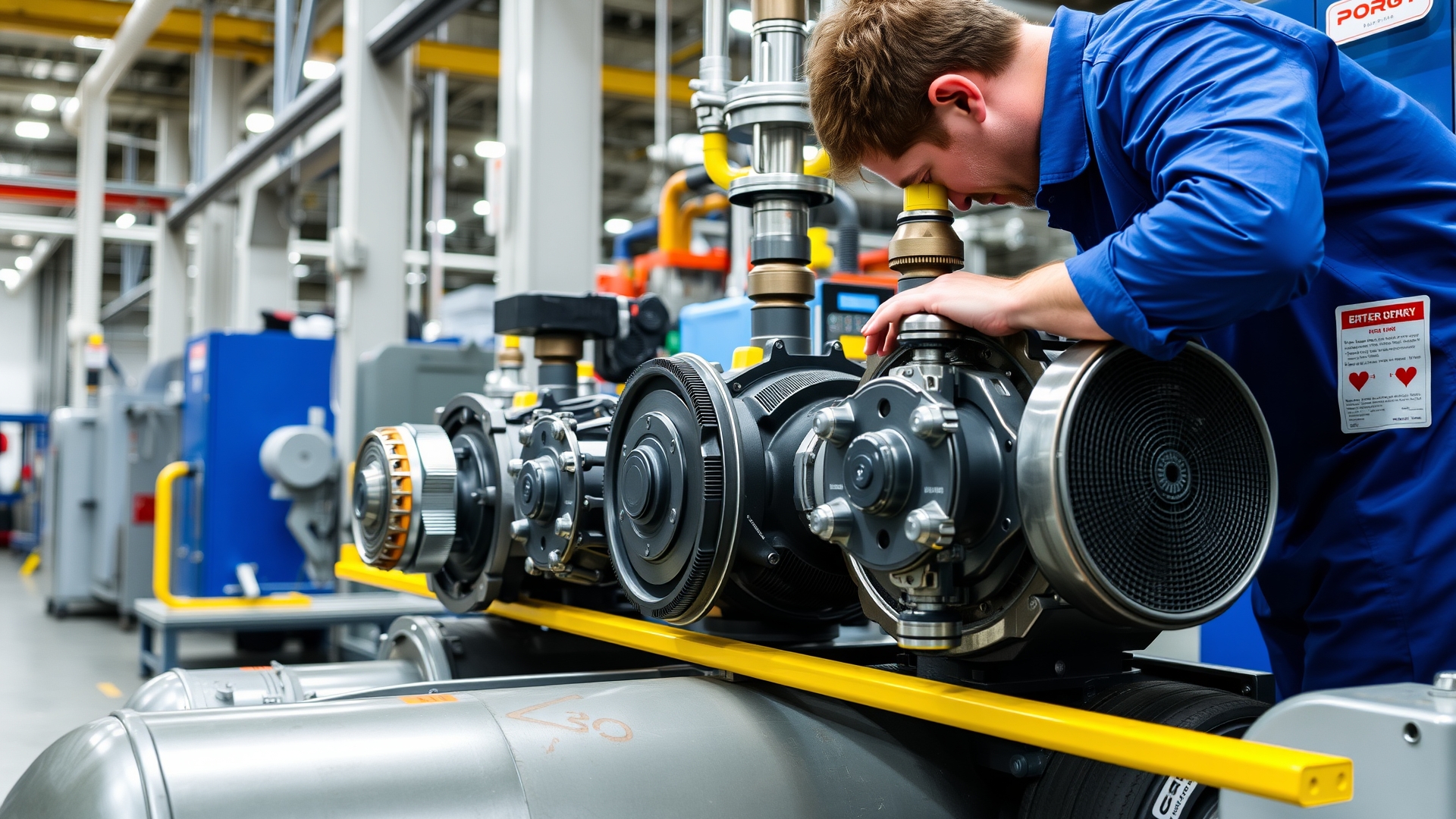
A top-rated factory produces dehumidifiers that meet international safety and performance standards while maintaining competitive pricing. Key indicators include , in-house R&D departments, and established export experience to North American and European markets. The best manufacturers invest in automated production lines, rigorous testing protocols, and transparent supply chains for compressor and refrigeration components.
Factories that specialize exclusively in dehumidification equipment typically outperform general appliance manufacturers. Specialization indicates deeper technical expertise in humidity control technology, better component sourcing relationships with compressor suppliers like Danfoss or Panasonic, and more refined quality control procedures tailored specifically to dehumidifier performance testing.
CetusDry: A Leading Compressor Dehumidifier Manufacturer
CetusDry stands out as a specialized manufacturer focusing on compressor dehumidifiers for residential, commercial, and industrial applications. Their product range includes multi-capacity models from 10L/day to 16L/day, allowing buyers to select specifications matching their exact humidity control requirements. The factory emphasizes user-friendly designs with LED displays, programmable timers, and automatic defrost functions that address common operational challenges in varying climates.
What distinguishes CetusDry is their focus on the complete dehumidifier lifecycle, from compact home units to high-capacity commercial dehumidifiers. Their engineering team develops proprietary airflow systems and noise reduction features, demonstrating commitment to product innovation rather than basic OEM assembly. For buyers seeking a factory that combines production flexibility with technical depth, CetusDry represents a compelling option among China’s compressor dehumidifier manufacturers.
Key Evaluation Criteria for Choosing a Factory
Manufacturing Scale and Capabilities
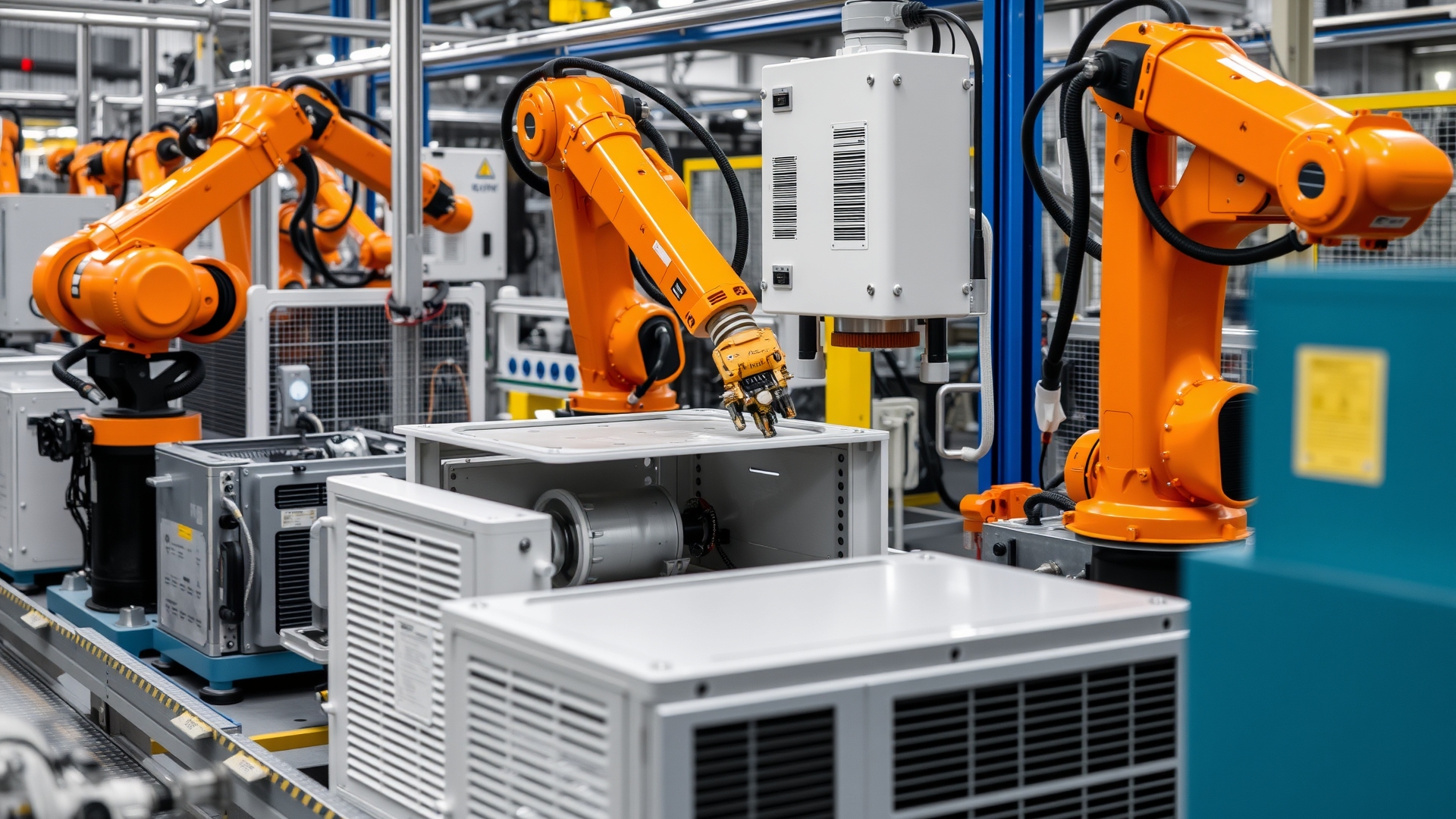
Production capacity determines whether a factory can meet your order volume and delivery timelines. Large-scale facilities operate with minimum order quantities starting at 100-200 units, while smaller specialized workshops offer greater flexibility for pilot orders or customized specifications. Assess whether the factory employs automated welding, automated refrigerant charging systems, and computer-controlled testing equipment that ensures consistent quality across large batches.
Compressor Sourcing Partnerships
The compressor represents 30-40% of a dehumidifier’s total cost and determines efficiency, durability, and noise levels. Top factories maintain direct partnerships with major compressor manufacturers including Danfoss, LG, Panasonic, and GMCC. These relationships ensure reliable component supply, access to the latest energy-efficient compressor technology, and better pricing through volume commitments. Ask factories about their compressor supplier contracts and whether they source exclusively from tier-one manufacturers.
Quality Control Standards
Effective quality control extends beyond final product inspection to encompass incoming component inspection, in-process monitoring, and accelerated life testing. Leading factories implement statistical process control systems that track critical parameters during assembly, preventing defects rather than merely detecting them. Request documentation of their testing protocols including humidity extraction tests, noise level measurements, and energy consumption verification.
Comparison of Leading Compressor Dehumidifier Factories
| Factory | Specialization | Capacity Range | Min Order | Export Focus |
|---|---|---|---|---|
| CetusDry | Compressor Dehumidifiers | 10L-200L/day | 50 units | Global |
| Factory B | General Appliances | 20L-50L/day | 200 units | Asia-Pacific |
| Factory C | Industrial Equipment | 100L-500L/day | 20 units | Europe |
| Factory D | OEM Manufacturing | 10L-30L/day | 500 units | North America |
The comparison above illustrates how different factories serve distinct market segments. CetusDry’s specialization in dehumidifiers across residential and commercial capacities positions them favorably for buyers needing diverse product options from a single source.
Certifications and Compliance Requirements
Exporting dehumidifiers to international markets requires meeting specific safety and environmental certifications. Key certifications include CE for European markets, ETL/UL for North America, and CCC for China export. Environmental compliance with EPA refrigerant regulations and EU RoHS directives has become increasingly important as regulations tighten on global warming potential of refrigerants like R-410A and R-134a.
NIST cybersecurity guidelines apply primarily to smart dehumidifiers with WiFi connectivity, ensuring product security standards protect consumer data. Factories producing IoT-enabled dehumidifiers must implement secure firmware development practices and compliance with emerging smart appliance regulations.
Application-Specific Factory Selection
Different use cases demand different factory capabilities. Residential applications prioritize quiet operation, aesthetic design, and energy efficiency, favoring factories with expertise in low-noise fan engineering and elegant housing design. Commercial applications like warehouses and gyms require durable construction, high extraction rates, and continuous operation capability, selecting factories with industrial-grade component sourcing.
For protecting garage tools from rust and excess humidity, dehumidifiers must balance extraction capacity with energy efficiency, as garages often lack climate control. Factories that understand these specific application requirements can recommend optimal capacity sizing and features like auto-defrost for unheated spaces.
Red Flags When Evaluating Chinese Dehumidifier Factories
- Factories that cannot provide third-party testing reports from accredited laboratories
- Suppliers unwilling to share factory audit reports or quality certifications
- Prices significantly below market average, indicating potential component shortcuts
- Limited communication or reluctance to conduct video factory tours
- Absence of export documentation experience or unfamiliarity with customs requirements
Steps to Vet a Compressor Dehumidifier Factory
- Request business licenses, export licenses, and quality certifications from the factory
- Obtain samples and conduct independent performance testing against specifications
- Request references from existing international clients and follow up directly
- Arrange third-party pre-shipment inspection through companies like SGS or Bureau Veritas
- Negotiate payment terms that protect buyer interests, such as letters of credit
- Document all specifications, testing protocols, and quality requirements in writing
Making Your Final Selection
Selecting a compressor dehumidifier factory involves balancing multiple factors including technical capability, pricing, lead times, and communication efficiency. The most successful partnerships develop through phased engagement, starting with sample orders to verify quality, progressing to small pilot shipments, and expanding to full container orders once confidence establishes. Factories that invest in understanding your specific market requirements and provide responsive technical support deliver superior long-term value compared to those offering only competitive pricing on basic specifications.
Frequently Asked Questions
What is the typical lead time for compressor dehumidifier orders from China?
Standard lead times range from 30-45 days for production plus 7-14 days for shipping. Custom specifications or new tooling requirements extend timelines to 60-90 days. Factories with component inventory typically offer faster turnaround for repeat orders.
How much does it cost to manufacture a compressor dehumidifier in China?
Manufacturing costs vary significantly based on capacity, features, and quality tier. Entry-level 10L/day units range from $80-120 FOB, while commercial-grade 50L/day models cost $200-350. Prices exclude shipping, duties, and import fees.
What warranty do Chinese factories typically offer?
Most factories offer 12-24 month warranties covering manufacturing defects. Comprehensive warranties require clear defect definitions, inspection protocols, and predetermined resolution procedures agreed upon before order placement.
Can I get custom branding and packaging?
Yes, most factories offer OEM services including custom logos, color schemes, user manuals, and retail packaging. Tooling costs for custom housing range from $3,000-10,000 depending on complexity, amortized across order volume.
What payment terms are standard for factory direct purchases?
Typical terms include 30% deposit upon order confirmation and 70% balance before shipment. Letters of credit provide additional security for larger orders. New buyers often start with 100% payment upfront until relationships establish.