

Introduction
Finding a bedroom dehumidifier that is both quiet enough for sleep and easy to monitor at night usually comes down to a few practical features, especially a low-noise fan and a clear LED display. This article looks at which models combine those traits, why the display matters for tracking humidity and settings in the dark, and how to compare noise level, room coverage, and moisture-removal capacity without overbuying. By the end, you’ll have a clearer sense of which dehumidifiers fit a bedroom environment and what specifications matter most before choosing one.
What Defines a Quiet Bedroom Dehumidifier with LED Display
Maintaining an optimal bedroom humidity level of 40% to 50% is critical for respiratory health, allergen control, and overall sleep quality. However, achieving this precise environmental balance requires equipment that operates without introducing disruptive noise or light pollution into the bedroom. A modern dehumidifier designed specifically for nighttime use integrates advanced acoustic dampening materials with intuitive, highly precise digital interfaces.
The inclusion of an LED display has become a baseline requirement for premium residential models, transforming a basic climate appliance into a precise monitoring tool. These displays allow users to track real-time moisture levels in the dark, adjust settings seamlessly, and maintain the unit without relying on ambient room lighting.
Noise level, capacity, and room size
The defining characteristic of a bedroom-appropriate unit is its acoustic profile. Standard residential dehumidifiers often operate between 50 and 60 decibels (dB), a volume equivalent to a normal conversation and highly disruptive to the human sleep cycle. A true quiet model must operate below the 40 dB threshold on its lowest fan setting, with premium units achieving levels as low as 34 dB.
Capacity must also align accurately with the physical dimensions of the room. A 20- to 30-pint capacity unit is typically optimal for standard bedrooms ranging from 150 to 300 square feet. Sizing the unit correctly ensures the machine can cycle off frequently once the target humidity is reached, rather than running continuously and generating persistent background noise.
Compressor vs desiccant models
The underlying moisture-extraction technology significantly impacts both the acoustic output and the operational efficiency of the unit. Compressor-based models utilize refrigerants and a mechanical pump to condense moisture, which can introduce a low-frequency mechanical hum. However, modern acoustic insulation has successfully brought premium compressor models down to approximately 38 dB.
Conversely, desiccant models use a slowly rotating wheel of moisture-absorbing material. Lacking a heavy compressor, these units typically operate between 34 and 38 dB and excel in cooler bedroom temperatures, maintaining high extraction efficiency even when ambient temperatures drop below 15°C (59°F).
| Technology | Average Noise Level | Best Operating Temperature | Typical Lifespan |
|---|---|---|---|
| Compressor | 38 – 45 dB | Above 15°C (59°F) | 3 – 5 Years |
| Desiccant | 34 – 38 dB | 1°C – 20°C (34°F – 68°F) | 3 – 5 Years |
| Peltier (Thermo) | 30 – 35 dB | Above 20°C (68°F) | 2 – 3 Years |
Useful LED display features
The integration of an LED display provides essential data, but its implementation must be tailored for a sleep environment. Essential features include real-time relative humidity (RH) readouts with a strict margin of error of ±3%, programmable timers ranging from 1 to 24 hours, and distinct visual alerts for water tank capacity.
Crucially for a bedroom setting, the display must feature a dedicated sleep mode. This mode should either dim the LED brightness by at least 80% or extinguish the illumination entirely after 10 to 15 seconds of user inactivity. Units lacking this feature often require users to manually cover the screen to prevent unwanted light pollution from disrupting circadian rhythms.
How to Compare Quiet Bedroom Dehumidifiers
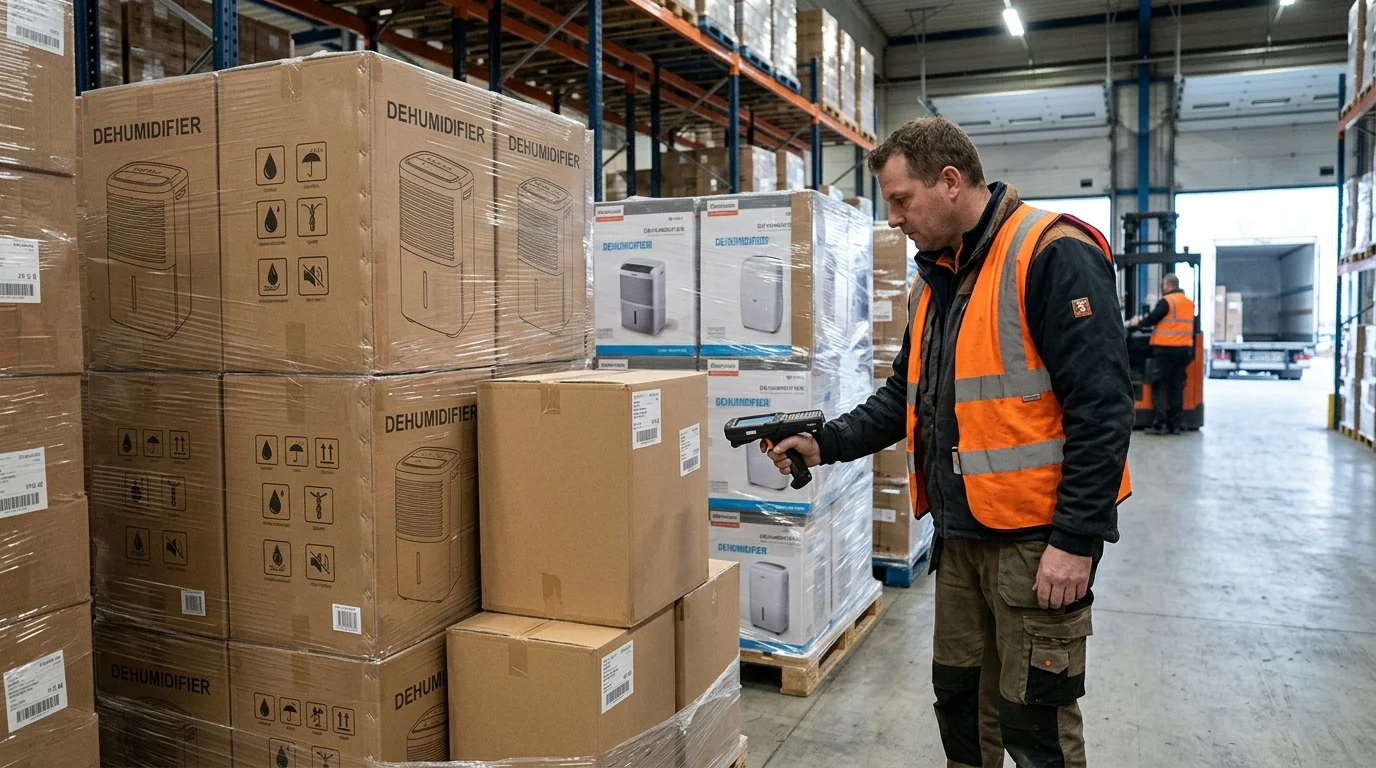
Evaluating the current market requires buyers to look past basic marketing claims and analyze the specific technical parameters that dictate daily performance. Comparing models effectively means weighing acoustic output against moisture removal efficiency, while simultaneously assessing the long-term maintenance requirements of the hardware.
Key specs and trade-offs
The primary trade-off in dehumidifier engineering is the balance between physical housing size, airflow velocity (measured in Cubic Feet per Minute, or CFM), and noise generation. A highly compact unit might appear ideal for a nightstand, but a smaller internal fan must spin at a significantly higher RPM to achieve the 50 to 80 CFM required to effectively dry a 200-square-foot room. This higher RPM inevitably generates a higher-pitched, more noticeable sound frequency.
Larger units can utilize oversized fan blades that rotate at lower speeds, moving the exact same volume of air while keeping noise levels closer to the 36 dB mark. Energy efficiency is another critical metric; top-tier models achieve an Energy Factor (EF) of 1.5 to 1.9 liters per kilowatt-hour (L/kWh). Exploring the diverse range of quiet bedroom dehumidifiers reveals how different manufacturers navigate these physical and acoustic constraints.
Maintenance and water drainage
Water management is an unavoidable logistical aspect of dehumidifier operation. For a standard bedroom environment, an internal water tank capacity between 1.5 and 3.0 liters is considered the industry standard. If a room has an initial relative humidity of 70%, a 2.0-liter tank will typically require manual emptying once every 24 to 36 hours.
To minimize this daily maintenance, many units feature a continuous drainage option via a gravity-fed hose port, usually accommodating a standard 0.5-inch diameter hose. However, utilizing this feature in a bedroom requires close proximity to a floor drain or the integration of a condensate pump capable of pushing water vertically. Buyers should note that external condensate pumps can introduce their own mechanical noise, often registering around 40 to 45 dB, which may negate the acoustic benefits of a quiet dehumidifier.
Reliability and ease of use
Hardware reliability hinges on component quality and the durability of the user interface. Premium LED control panels utilize capacitive touch sensors rather than traditional mechanical buttons. This eliminates the audible clicking sound during nighttime adjustments and drastically reduces the number of moving parts susceptible to mechanical failure over time.
A reliable compressor or desiccant rotor is expected to maintain its baseline moisture removal rating for a minimum of 10,000 operational hours. Furthermore, ease of use in colder climates relies heavily on automated safety features, such as auto-defrost mechanisms that prevent the internal evaporator coils from freezing solid when ambient room temperatures drop below 18°C (65°F).
How to Choose the Right Model
Selecting the optimal dehumidifier is a structured, data-driven process that aligns financial constraints with specific environmental metrics. A strategic procurement approach ensures the chosen unit effectively mitigates moisture risks without exceeding acceptable acoustic or spatial thresholds.
Best options by budget
Budget allocation directly correlates with technological capabilities, extraction rates, and acoustic dampening quality. Understanding the established market tiers helps set realistic expectations for both noise output and daily performance.
| Budget Tier | Price Range | Technology | Extraction Capacity | Noise Level |
|---|---|---|---|---|
| Entry-Level | $40 – $90 | Peltier | 0.5 – 1 Pint / Day | 30 – 35 dB |
| Mid-Range | $100 – $180 | Compressor | 20 – 30 Pints / Day | 38 – 45 dB |
| Premium | $200 – $350 | Desiccant / Smart | 30 – 50 Pints / Day | 34 – 40 dB |
Entry-level thermoelectric (Peltier) models are exceptionally quiet but are strictly suitable for small closets or micro-bedrooms under 100 square feet due to their low extraction rates. Mid-range compressor models offer the most practical balance for standard bedrooms, while premium units justify their cost through advanced LED interfaces, Wi-Fi connectivity, and superior soundproofing materials.
Step-by-step buying process
The purchasing process should follow a strict technical evaluation rather than aesthetic preference alone. First, measure the exact square footage of the bedroom and monitor the baseline humidity for 48 hours using a calibrated digital hygrometer. If the baseline consistently exceeds 65% RH, buyers must prioritize a minimum extraction capacity of 20 pints per day.
Second, scrutinize the manufacturer’s official decibel ratings, ensuring the low fan setting is explicitly rated at or below 39 dB. Third, verify the LED display specifications to confirm the presence of a dedicated sleep mode that extinguishes all light. For more insights on evaluating manufacturing standards and historical product specifications, reviewing resources on quiet bedroom dehumidifiers can provide valuable context on industry benchmarks and operational lifespans.
What Buying Factors Matter Most
For wholesale buyers, regional distributors, and highly informed consumers, the final purchasing decision extends well beyond basic retail specifications. Long-term financial value, operational energy efficiency, and the commercial viability of the product design become the paramount factors dictating a successful acquisition.
Cost, value, and efficiency
Total Cost of Ownership (TCO) is a critical evaluation metric that combines the initial hardware purchase price with ongoing electrical expenditures. A standard dehumidifier running 8 hours a night at a 300-watt draw consumes roughly 2.4 kWh daily. Assuming an average utility rate of $0.12 per kWh, this translates to an operational cost of approximately $105 annually.
Selecting a model with recognized energy certifications can reduce this power consumption by 15% to 20%, generating tangible financial savings over a typical 5-year hardware lifecycle. Furthermore, prioritizing units with washable, reusable high-density air filters eliminates the recurring annual cost of proprietary HEPA or carbon filter replacements, thereby enhancing the overall value proposition.
Merchandising and product presentation
From a retail and distribution perspective, product presentation and aesthetic integration are vital for consumer adoption. Modern buyers expect bedroom appliances to feature sleek, minimalist designs that do not visually disrupt interior decor. An intuitive, high-contrast LED display serves as a strong merchandising tool, instantly communicating technological sophistication on the retail shelf or in e-commerce imagery.
For commercial buyers sourcing these units at volume, supply chain metrics are equally critical. Standard industry Minimum Order Quantities (MOQs) for OEM branding typically start at 500 units, with acceptable manufacturing defect rates strictly capped below 1.5%. Distributors looking to secure reliable, high-quality inventory pipelines must establish partnerships with manufacturers that prioritize these rigorous quality control standards; initiating formal discussions regarding quiet bedroom dehumidifiers can streamline this complex procurement process and ensure consistent product availability.
Further reading:
Key Takeaways
- The most important conclusions and rationale for quiet bedroom dehumidifiers
- Specs, compliance, and risk checks worth validating before you commit
- Practical next steps and caveats readers can apply immediately
Frequently Asked Questions
What noise level is quiet enough for a bedroom dehumidifier?
Aim for under 40 dB on low speed. For light sleepers, 34–38 dB is usually the safest range for overnight use.
What size dehumidifier works best for a standard bedroom?
For most 150–300 sq ft bedrooms, a 20–30 pint unit is a practical fit. Correct sizing helps it cycle off sooner and stay quieter.
Why does an LED display matter on a bedroom dehumidifier?
It lets you check real-time humidity, timer settings, and tank alerts at night without turning on room lights. Look for clear RH readings within about ±3% accuracy.
Should I choose a compressor or desiccant model for a quiet bedroom?
Choose desiccant for cooler bedrooms and very low noise, often 34–38 dB. Choose a well-insulated compressor model if your room stays above 15°C and you want strong everyday efficiency.
What LED display feature is best for sleeping comfort?
A sleep mode that dims the screen by around 80% or turns it off after 10–15 seconds. On Cetusdry-style bedroom-focused units, this helps reduce light disturbance overnight.