
Introduction
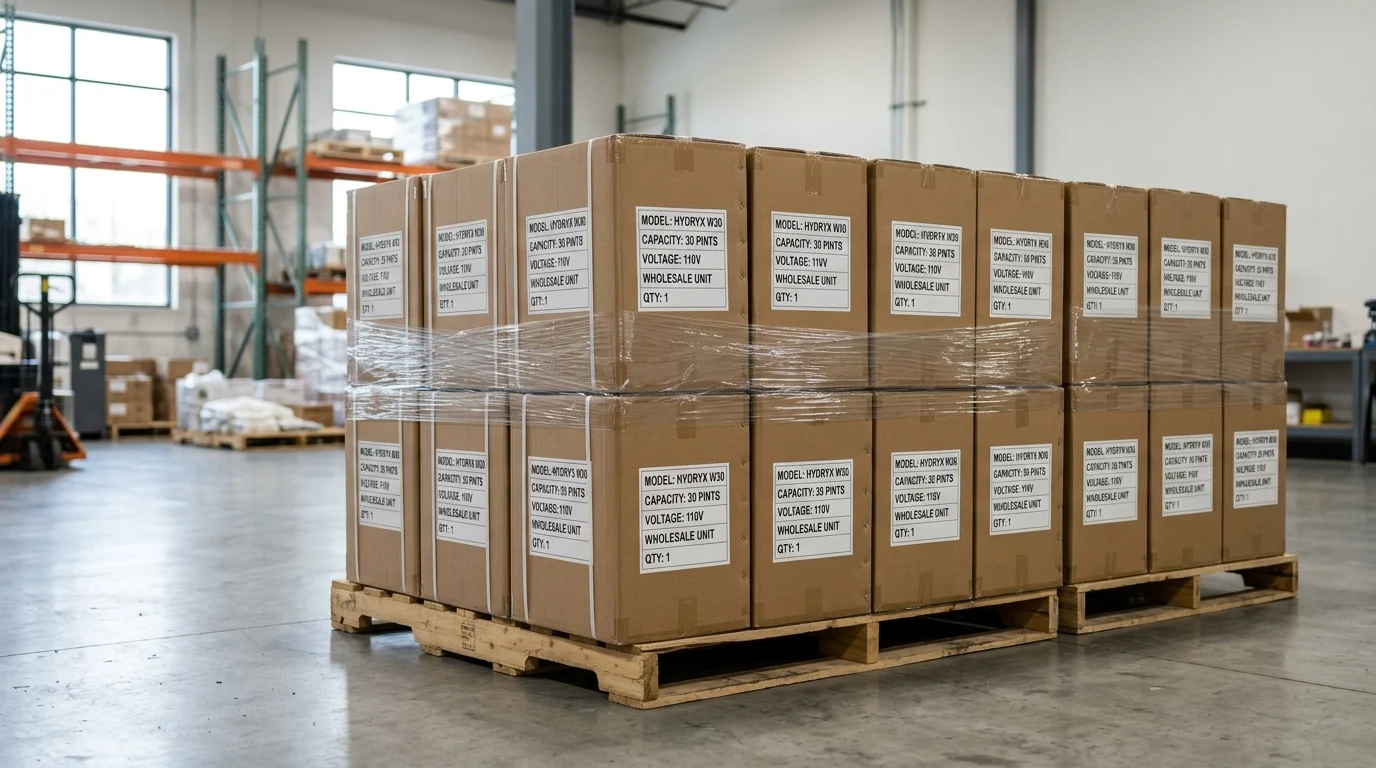
China’s dehumidifier supply chain offers strong pricing and production capacity, but finding true factory-direct partners requires more than browsing listings. Buyers need to know where manufacturers are concentrated, how to separate OEM factories from trading companies, and which sourcing channels best fit their order size, compliance needs, and customization goals. This article explains where wholesale dehumidifiers are commonly purchased directly from China factories, what signs indicate a reliable manufacturer, and how to evaluate suppliers before placing bulk orders. By the end, you’ll have a clearer path for comparing vendors, reducing sourcing risk, and building a dependable procurement strategy.
Where to Source Wholesale Dehumidifiers from China
China remains the undisputed global hub for HVAC and air treatment manufacturing, producing the vast majority of the world’s moisture control equipment. For enterprise buyers, commercial contractors, and large-scale distributors, sourcing directly from Chinese manufacturing centers—predominantly located in the Guangdong and Zhejiang provinces—offers unparalleled access to scalable production and aggressive pricing structures.
Navigating this landscape requires understanding the fundamental structure of the Chinese export market. Procurement managers must distinguish between genuine manufacturers with dedicated assembly lines and intermediaries who aggregate products. Securing a reliable supply chain for air treatment systems demands rigorous due diligence, an understanding of production minimums, and a strategic approach to vendor selection.
Factory-Direct vs Trading Companies
The primary decision for importers is whether to engage directly with a factory or utilize a trading company. Factory-direct relationships typically yield 15% to 30% better unit pricing and allow for deep technical customization, but they enforce strict Minimum Order Quantities (MOQs), often requiring a baseline of 200 to 500 units or a full 20-foot container. Conversely, trading companies offer lower MOQs—sometimes as few as 50 units—and consolidate mixed shipments from various manufacturers. However, this convenience comes at the cost of higher per-unit prices and potential obfuscation of the original manufacturing source. To understand factory capabilities and direct sourcing advantages for wholesale dehumidifiers, reviewing a manufacturer’s facility footprint and engineering background is essential.
Best Buyer Types for Wholesale Purchasing
Wholesale purchasing direct from overseas factories is not suitable for all business models. The best candidates for this procurement strategy include large-scale commercial HVAC distributors, remediation equipment rental fleets, and established e-commerce brands utilizing private label strategies. These entities possess the capital to absorb typical initial investments ranging from $15,000 to $50,000 per order, the warehousing infrastructure to handle 40-foot High Cube (40HQ) container deliveries, and the technical bandwidth to manage warranty claims and spare parts inventory locally.
How to Evaluate Wholesale Dehumidifier Suppliers
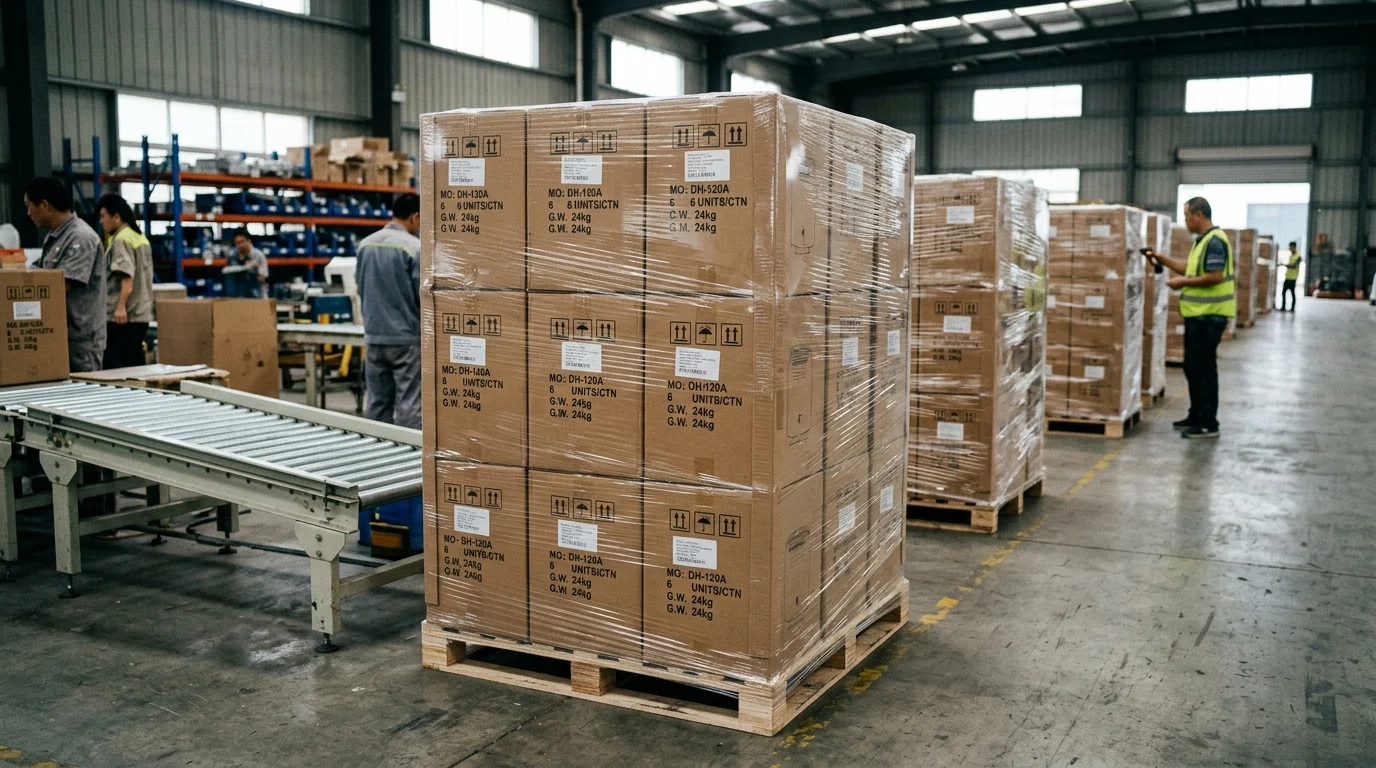
Evaluating potential manufacturing partners requires looking beyond glossy Alibaba profiles and trade show displays. A robust supplier evaluation must focus on technical competencies, production capacity, and the flexibility of their manufacturing models to align with specific market demands.
Key Product Specifications to Compare
When comparing product catalogs, buyers must standardize the metrics used for evaluation. Capacity ratings can be deceptive if the testing conditions are not uniform; for instance, a unit rated at 100 pints per day at AHAM conditions (80°F, 60% Relative Humidity) will perform vastly differently than one rated at saturation (90°F, 90% RH). Key specifications to scrutinize include airflow volume measured in Cubic Feet per Minute (CFM), the specific type of compressor utilized (rotary vs. reciprocating, and brands like Panasonic or GMCC), and the refrigerant type (such as R410A or the lower-GWP R32).
| Specification | Residential Grade | Commercial/Industrial Grade |
|---|---|---|
| Extraction Capacity | 30–70 Pints/Day (AHAM) | 90–250+ Pints/Day (AHAM) |
| Airflow Volume | 150–250 CFM | 300–850 CFM |
| Housing Material | High-impact ABS Plastic | Roto-molded Polyethylene or Steel |
| Target Defect Rate | < 2.0% | < 0.5% |
OEM vs ODM vs Private Label Options
Suppliers generally offer three distinct manufacturing pathways. Original Equipment Manufacturing (OEM) involves creating a bespoke product from scratch, which requires substantial upfront capital for custom injection molding tooling (often exceeding $10,000 per mold) and long development cycles. Original Design Manufacturing (ODM) allows buyers to utilize a factory’s existing chassis while customizing internal components, PCB logic, and exterior finishes, presenting a balanced approach to uniqueness and cost. Private Labeling involves taking an off-the-shelf, factory-designed unit and applying custom branding, which typically carries the lowest MOQs (often around 100 units) and the fastest time to market for wholesale dehumidifiers.
Useful Supplier Comparison Criteria
Beyond product specs, the operational metrics of the supplier are critical. Procurement teams should evaluate the size and output of the factory’s Research & Development (R&D) department, the availability of on-site enthalpy testing chambers for performance validation, and their historical defect rate guarantees. A tier-one manufacturer will confidently provide a contractual guarantee for a defect rate of under 1% and provide detailed Corrective and Preventive Action (CAPA) reports for any anomalies discovered during production runs.
How to Verify China Dehumidifier Factories
Verifying a factory’s legitimacy and quality control standards is a non-negotiable phase of the sourcing process. Remote verification combined with rigorous product testing ensures that the selected partner possesses the actual manufacturing capabilities they claim, mitigating the risk of costly supply chain failures.
Factory Qualification Checks
Initial qualification begins with a comprehensive documentation review. Buyers must request and independently verify the factory’s ISO 9001 (Quality Management) and ISO 14001 (Environmental Management) certificates. Furthermore, examining the Chinese business license is crucial; a credible manufacturer of heavy electrical equipment should possess a registered capital exceeding 5 million RMB. Engaging a third-party inspection agency (such as SGS or TÜV Rheinland) to conduct a formal factory audit provides an objective assessment of the facility’s production lines, worker conditions, and incoming raw material inspection protocols.
Sample Testing and Quality Validation
Before committing to a bulk order, buyers must procure and rigorously test 2 to 3 sample units. These samples should be subjected to environmental chamber testing to verify the manufacturer’s stated moisture extraction rates under standard AHAM conditions. Additionally, testing must validate critical safety and operational features, including the reliability of the auto-defrost cycle, the accuracy of the built-in humidistat (which should maintain a variance of no more than ±5% RH), and the durability of continuous drainage pumps under sustained operation.
Common Sourcing Risks to Watch
The air treatment sector carries specific sourcing risks that require vigilant oversight. A common issue is the falsification or expiration of critical safety certificates (like CE or ETL). Another prevalent risk is component bait-and-switch, where a factory uses a premium branded compressor in the sample unit but substitutes a cheaper, unbranded alternative in the mass production run. Finally, buyers must guard against the use of recycled ABS plastics in the housing, which drastically reduces structural integrity compared to virgin polymer blends, leading to high damage rates during transit.
Compliance, Pricing, and Logistics for Wholesale Dehumidifiers
Successfully importing heavy electrical appliances requires a deep understanding of international regulatory frameworks, comprehensive cost modeling, and strategic logistics planning. Miscalculations in any of these areas can rapidly erode profit margins and delay market entry.
Required Certifications and Market Access
Market access is strictly gated by regional electrical and environmental certifications. For the North American market, UL or ETL certification is mandatory for electrical safety, while Energy Star compliance is increasingly demanded by commercial buyers and utility rebate programs. European imports must adhere to CE marking requirements, the Restriction of Hazardous Substances (RoHS) directive, and stringent F-Gas regulations, which mandate the use of refrigerants with a Global Warming Potential (GWP) below specific thresholds (e.g., utilizing R32 with a GWP of 675 instead of older, high-GWP gases).
Landed Cost and Pricing Factors
Calculating the true Landed Cost requires moving beyond the factory’s Ex-Works (EXW) or Free on Board (FOB) quotation. The Bill of Materials (BOM), driven heavily by the cost of copper coils and the compressor, represents only a portion of the final expense. Importers must model ocean freight volatility, customs brokerage fees, and import duties. For instance, U.S. importers must account for Section 301 tariffs, which can add up to 25% to the standard duty rate for Chinese-manufactured HVAC equipment.
| Cost Component | Typical Share of Landed Cost | Key Variables & Drivers |
|---|---|---|
| Bill of Materials (BOM) | 50% – 60% | Compressor brand, copper vs. aluminum heat exchangers |
| Ocean Freight | 15% – 25% | Container size (20ft vs 40HQ), seasonal shipping rates |
| Import Duties & Tariffs | 10% – 25% | HS Code classification, geopolitical trade policies |
| Certifications & Testing | 2% – 5% | UL/ETL fees, third-party pre-shipment inspections |
Incoterms, Shipping, and Lead Time Planning
Effective inventory planning hinges on accurate lead time calculations. Standard production lead times for wholesale air treatment units range from 35 to 45 days, depending on component availability and the factory’s seasonal backlog. Ocean transit adds an additional 20 to 35 days depending on the destination port. Optimizing shipping economics requires maximizing container space; a standard 40HQ container can accommodate roughly 300 to 400 commercial-grade units, significantly driving down the per-unit freight cost compared to Less than Container Load (LCL) shipments.
How to Choose the Right Wholesale Dehumidifier Supplier
Transitioning from a broad list of potential factories to a singular, strategic manufacturing partner requires a systematic filtering process. The objective is to secure a supplier capable of scaling production while maintaining strict quality tolerances over a multi-year relationship.
Supplier Shortlisting Process
The shortlisting process should begin by identifying 10 to 15 potential manufacturers through trade directories and industry referrals. This list should be rapidly narrowed to 3 or 4 finalists based on their responsiveness, the clarity of their English-speaking sales engineering teams, and their ability to provide verifiable compliance documentation on the first request. A supplier’s communication efficiency during the quoting phase is highly indicative of their problem-solving capabilities during mass production. Initiating contact to discuss custom requirements for wholesale dehumidifiers serves as an excellent stress test for their technical communication skills.
Final Selection Criteria for Long-Term Fit
Final selection should be heavily weighted toward post-sale support and long-term viability. A premier supplier will offer robust warranty terms, typically providing 1 year of coverage for the complete unit and 3 to 5 years for the compressor. Furthermore, the negotiation must secure a provision for Free of Charge (FOC) spare parts—standard industry practice dictates that the factory includes 1% to 2% of critical wear components (such as PCB boards, sensors, and fan motors) with every container shipment to facilitate localized, rapid warranty repairs.
Further reading:
Key Takeaways
- The most important conclusions and rationale for wholesale dehumidifiers
- Specs, compliance, and risk checks worth validating before you commit
- Practical next steps and caveats readers can apply immediately
Frequently Asked Questions
Can I buy wholesale dehumidifiers directly from a China factory?
Yes. Direct factory sourcing usually gives better pricing and more customization, but MOQs are often around 200–500 units or a full container.
How can I verify a dehumidifier supplier is a real manufacturer?
Check factory audit reports, production photos, certifications, and assembly-line details. Reviewing a supplier profile like CetusDry’s company and product pages can help confirm manufacturing capabilities.
What MOQ is typical for wholesale dehumidifiers from China?
Factory-direct MOQs commonly start at 200–500 units, while private label programs may begin around 100 units. Trading companies may offer lower MOQs with higher unit prices.
Which dehumidifier specifications matter most when comparing suppliers?
Focus on AHAM-rated capacity, airflow (CFM), compressor brand, refrigerant type, housing material, and defect rate. Compare only units tested under the same conditions.
Should I choose OEM, ODM, or private label for wholesale dehumidifiers?
Choose OEM for full customization, ODM for faster semi-custom models, and private label for the lowest MOQ and quickest launch. Your budget and timeline should guide the choice.