
Introduction
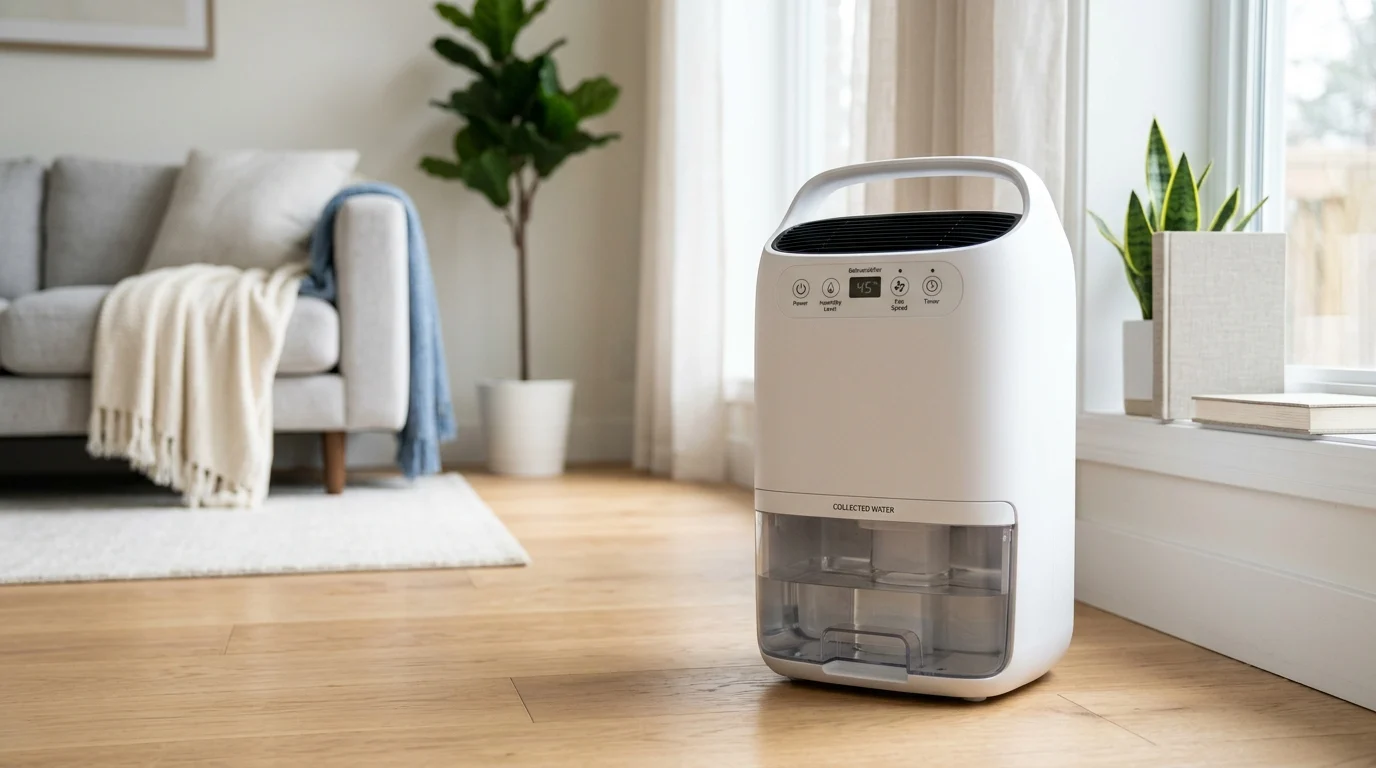
Preventing mold is less about removing spots you can see and more about controlling the moisture conditions that let spores grow in the first place. A dehumidifier can be one of the most effective tools for that job, but only if it is sized, placed, and operated with clear humidity targets in mind. This article explains how to use a dehumidifier strategically to keep indoor relative humidity in a safer range, reduce hidden moisture buildup, and support better air quality. You’ll also learn where dehumidifiers work best, what settings matter most, and how to avoid common mistakes that limit their effectiveness.
Using a Dehumidifier Strategy to Reduce Mold Risk
Implementing a rigorous environmental control strategy is the most reliable method to prevent microbial amplification in commercial, industrial, and residential spaces. Facilities managers and remediation professionals must recognize that relying solely on chemical treatments or surface cleaning is fundamentally flawed if the underlying psychrometric conditions remain favorable for fungal growth. To use a dehumidifier effectively, operators must shift from a reactive mindset to a proactive, data-driven approach based on thermodynamics and moisture dynamics.
Mold spores are ubiquitous in the built environment, remaining dormant until environmental triggers initiate germination. Research indicates that many common indoor mold species, such as Aspergillus and Penicillium, can germinate within 24 to 48 hours when relative humidity (RH) consistently exceeds 60% alongside optimal temperatures. Therefore, deploying mechanical dehumidification to manipulate these variables is the cornerstone of structural preservation and indoor air quality management.
Why moisture control matters more than visible mold
The presence of visible mold is a lagging indicator of a systemic moisture failure. By the time colonies are visible on drywall, wood framing, or inventory, the mycelial network has already compromised the substrate, necessitating costly physical remediation rather than simple environmental adjustment. Moisture control addresses the root cause by depriving the spores of the water activity (aw) required for cellular metabolism.
Effective moisture control requires maintaining the ambient vapor pressure below the threshold that allows hygroscopic materials to absorb excess water. When a dehumidifier is used to continuously strip moisture from the air, it establishes a vapor pressure differential that actively pulls bound moisture out of structural materials, effectively stopping mold growth before it can begin.
Key roles of humidity, temperature, airflow, and surfaces
The interaction between humidity, ambient temperature, airflow, and surface temperatures dictates the risk of condensation and subsequent mold proliferation. Relative humidity is highly temperature-dependent; a sudden drop in ambient temperature can spike RH and push the environment past the dew point, leading to interstitial condensation inside wall cavities or on cold surfaces.
Airflow plays a critical role by disrupting the boundary layer of air immediately adjacent to wet surfaces. Without adequate air movement, a microclimate of high humidity forms near damp materials, allowing mold to thrive even if the center of the room registers a safe RH. Dehumidifiers must work in tandem with air movers to ensure that dry air is distributed evenly and that latent moisture is continuously evaporated into the airstream.
When proactive dehumidification is most effective
Proactive dehumidification yields the highest return on investment when deployed during periods of high moisture load before the equilibrium moisture content (EMC) in building materials reaches critical levels. This includes seasonal transitions, periods of high occupancy, or immediately following water intrusion events such as pipe leaks or localized flooding.
In industrial and commercial settings, proactive deployment is also essential during the curing of wet construction materials like concrete or joint compound, which release hundreds of gallons of water vapor into the enclosed envelope. Maintaining an environment below 50% RH during these critical phases prevents the secondary damage that typically leads to delayed microbial claims.
What to Measure Before Using Dehumidifier Equipment
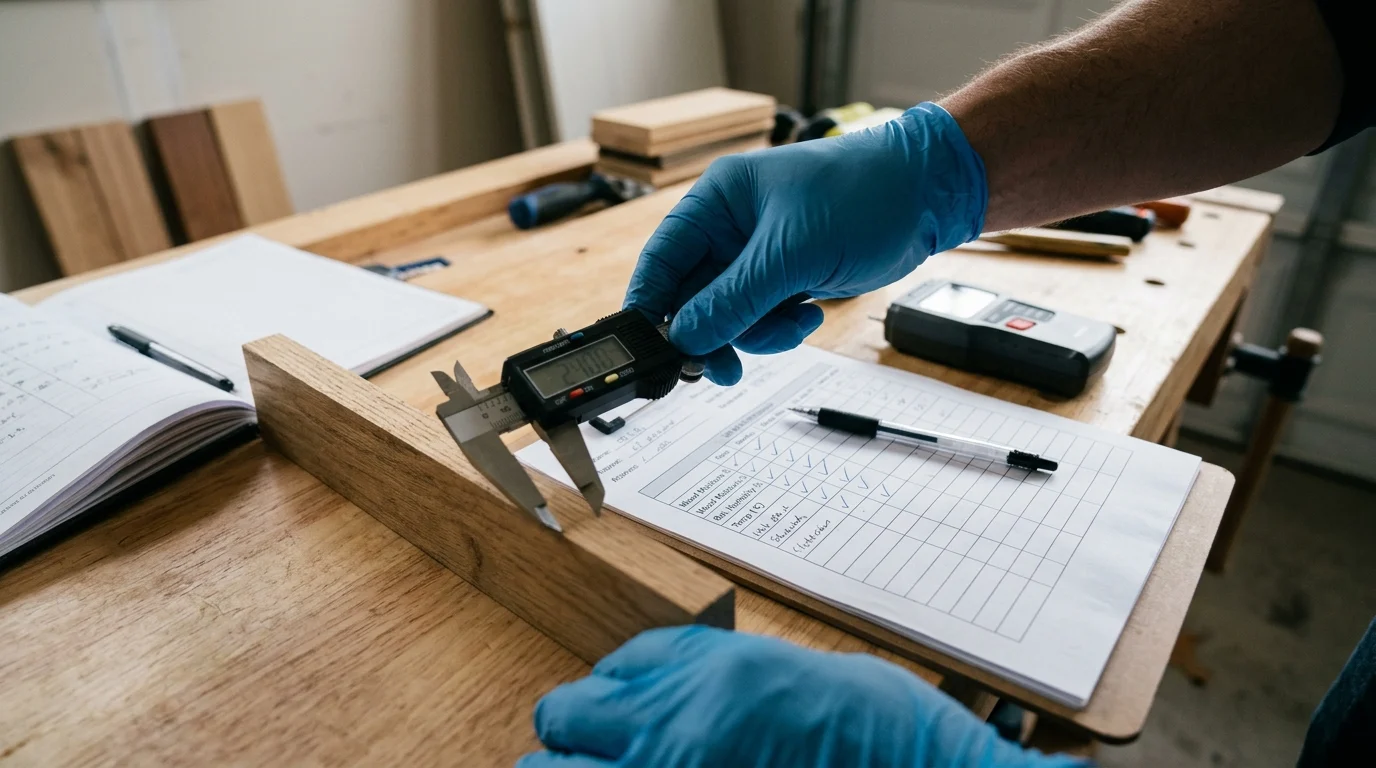
Before deploying any drying equipment, a comprehensive site assessment is mandatory to establish baseline metrics and determine the required moisture removal capacity. Deploying a unit without understanding the specific psychrometric conditions often leads to undersizing, which fails to arrest mold growth, or oversizing, which wastes energy and can cause structural damage through over-drying.
Accurate measurement requires industrial-grade hygrometers, thermal imaging, and moisture meters. Standard practice dictates that indoor environments should generally be maintained between 45% and 50% relative humidity to mitigate mold risk, but achieving this requires tracking more nuanced data points than RH alone.
Humidity, dew point, and moisture thresholds to track
While relative humidity is the most commonly referenced metric, absolute humidity—often measured in grains per pound (GPP)—and dew point are far more critical for professional drying strategies. GPP measures the actual mass of water in the air, independent of temperature. To facilitate aggressive drying and halt mold growth, operators typically target an environment of fewer than 55 GPP.
Tracking the dew point is essential for preventing condensation on cold surfaces. A standard threshold is to ensure that all surface temperatures remain at least 5°F (approx. 3°C) above the ambient dew point. If the dew point approaches the surface temperature of exterior walls or uninsulated pipes, a dehumidifier must be used to lower the vapor pressure immediately.
How conditions vary by basement, crawl space, warehouse, and restoration site
Environmental conditions and moisture loads vary drastically across different spatial typologies. Basements and subterranean crawl spaces are typically cooler, meaning they have a lower capacity to hold moisture. A basement at 65°F and 60% RH has a much higher risk of condensation on foundation walls than a living space at 75°F with the same RH.
Conversely, large-volume spaces like warehouses experience thermal stratification, where warm, moist air accumulates near the ceiling, threatening roof decking and high-racked inventory. In restoration sites following a water loss, the moisture load is localized and extreme, requiring specialized equipment to handle rapid evaporation rates that standard commercial spaces do not experience.
What data to include in a site assessment
A professional site assessment must log ambient conditions, surface temperatures, and the moisture content of affected materials. Using a Wood Moisture Equivalent (WME) scale, structural wood should measure below 16% to be considered safe from decay and mold.
| Material/Space | Target RH (%) | Max Acceptable Moisture Level | Critical Dew Point Margin |
|---|---|---|---|
| Structural Wood | 45 – 50 | < 16% (WME) | +5°F |
| Drywall/Gypsum | 40 – 50 | < 1% (Moisture Content) | +3°F |
| Concrete Slabs | 40 – 60 | < 75% (In-situ RH) | +5°F |
Documenting these initial readings creates a baseline against which the performance of the dehumidification strategy can be measured, ensuring that the equipment deployed is actively driving the environment toward dry standards.
How to Choose Capacity, Settings, and Placement
Selecting the correct equipment requires translating site assessment data into actionable operational parameters. The effectiveness of a dehumidifier is not solely dependent on its internal mechanics, but heavily reliant on proper sizing, strategic placement within the affected envelope, and rigorous adherence to target setpoints.
Understanding equipment ratings is the first step. Most commercial dehumidifiers are rated by the Association of Home Appliance Manufacturers (AHAM) at 80°F and 60% RH, or at saturation (90°F and 90% RH). Using AHAM ratings provides a more realistic expectation of Pints Per Day (PPD) removal in typical mold-prevention scenarios.
Matching unit capacity to the space and conditions
Matching capacity to the space requires calculating the cubic footage of the area and estimating the infiltration rate of ambient moisture. As a baseline metric, a moderately damp 2,000-square-foot facility typically requires a unit capable of removing at least 50 to 70 PPD at AHAM conditions. However, in environments with high moisture intrusion, such as active restoration sites or unsealed crawl spaces, requirements can easily exceed 130 PPD.
Engineers often calculate requirements using a formula based on cubic footage and an Air Changes per Hour (ACH) multiplier dictated by the severity of the dampness. Undersized units will run continuously without ever reaching the setpoint, leading to premature compressor failure and unchecked mold growth, while drastically oversized units may short-cycle, failing to run long enough to effectively reduce ambient humidity.
Best placement and target humidity settings
Placement dictates the efficiency of the moisture removal process. Dehumidifiers should be placed centrally in the space with completely unobstructed intake and exhaust pathways. If the space is compartmentalized, operators must either utilize ducting to draw wet air from remote rooms and exhaust dry air back into them, or deploy multiple smaller units to ensure uniform coverage.
Target settings should be aggressive enough to halt biological activity but balanced to prevent material damage. Setting the humidistat to 45% is generally ideal for mold prevention. Setting a unit to run continuously below 30% RH in a space with hardwood floors or sensitive millwork can cause severe shrinking, cracking, and structural warping.
Maintenance checks for reliable performance
Reliable performance hinges on strict maintenance protocols. A dehumidifier pulling high volumes of air will rapidly accumulate dust and airborne particulates, which insulate the evaporator coils and drastically reduce heat transfer efficiency. Filters must be inspected weekly and replaced monthly; operating with a clogged filter can reduce moisture extraction rates by up to 40%.
Additionally, condensate management systems require regular auditing. Commercial units often rely on internal condensate pumps with vertical lift limits (typically 15 to 20 feet). If the purge lines become kinked or the pump reservoir accumulates bioslime, the unit will trigger a safety shutoff, resulting in unmonitored downtime during which mold can quickly re-establish.
Comparing Dehumidifier System Options and Limits
No single dehumidification technology is universally applicable. The choice between standard refrigerants, advanced low-grain refrigerants (LGR), and desiccant systems depends entirely on the thermal parameters of the space and the required absolute humidity targets.
Understanding the thermodynamic limits of each system is vital for preventing specification errors that could leave a facility vulnerable to microbial growth during extreme weather or unseasonable temperature drops.
Portable refrigerant, desiccant, and whole-building options
Standard portable refrigerant units work by cooling air below its dew point, causing condensation on the coils. However, they lose significant efficiency below 65°F. Low-Grain Refrigerant (LGR) units utilize a double-cooling mechanism (often an air-to-air heat exchanger) that pre-cools the intake air, allowing them to remain highly effective down to 34°F and achieve much lower GPP levels.
Desiccant dehumidifiers do not rely on condensation; instead, they use a continuously rotating wheel coated in a hygroscopic material (like silica gel) to absorb moisture, which is then exhausted outside as vapor. Desiccants are the only viable option for sub-zero environments or when absolute humidity must be driven to near-zero levels, such as in specialized pharmaceutical storage or deep freeze facilities.
Comparing cost, energy use, and performance
When selecting a system, operators must balance capital expenditure against operational energy costs and moisture removal efficiency.
| System Type | Optimal Temp Range (°F) | Efficiency (Liters/kWh) | Typical Cost ($/PPD) |
|---|---|---|---|
| Standard Refrigerant | 65 – 90 | 1.5 – 2.0 | $3 – $5 |
| Low-Grain Refrigerant (LGR) | 34 – 100 | 2.0 – 3.0 | $15 – $25 |
| Silica Gel Desiccant | 0 – 100 | 1.0 – 1.5 | $30 – $50 |
While desiccants offer unmatched performance in cold climates, their high energy consumption (due to the thermal reactivation of the desiccant wheel) makes LGRs the preferred, cost-effective choice for most commercial mold prevention programs operating in temperate conditions.
When dehumidification alone is not enough
Despite their capabilities, dehumidifiers have absolute limits. Dehumidification alone cannot reverse existing structural rot or eliminate established mold colonies; it can only arrest further growth. If porous materials like drywall or insulation are heavily contaminated, tear-out and physical remediation are mandated by industry standards (such as the IICRC S520).
Furthermore, dehumidification is futile if the building envelope suffers from massive, uncontrolled air exchange or active bulk water intrusion. A system designed to remove 100 PPD will be overwhelmed instantly if a compromised roof or unsealed foundation allows hundreds of gallons of water to enter the structure during a storm.
Building a Reliable Dehumidifier Plan

Transitioning from emergency moisture control to a permanent mold prevention strategy requires the formalization of a dehumidification plan. This involves establishing clear criteria for equipment procurement, standardizing daily operations, and integrating modern monitoring technologies.
A reliable plan minimizes human error and ensures that the facility maintains a defensive posture against moisture intrusion, targeting an operational uptime of 99% during high-risk seasonal windows.
Procurement and specification criteria
Procurement criteria must move beyond simple capacity ratings to include reliability and integration features.
Key Takeaways
- The most important conclusions and rationale for use dehumidifier
- Specs, compliance, and risk checks worth validating before you commit
- Practical next steps and caveats readers can apply immediately
Frequently Asked Questions
What humidity level should I set a dehumidifier to prevent mold growth?
Aim for 45% to 50% relative humidity. If RH stays above 60% for long periods, mold risk rises quickly.
Where should I place a dehumidifier for the best mold prevention?
Put it near damp areas or moisture sources, with clear airflow around the unit. Keep doors and windows closed so it can control the space effectively.
Should I use fans with a dehumidifier?
Yes. Fans help move dry air across damp surfaces and prevent humid pockets, especially near walls, corners, and wet materials.
When is the best time to start using a dehumidifier?
Start early during humid seasons, after leaks, or right after flooding. Using it before materials stay damp for 24 to 48 hours helps stop mold from taking hold.
Can a dehumidifier remove mold that is already visible?
No. A dehumidifier helps stop mold from spreading by removing moisture, but visible mold usually still needs proper cleaning or professional remediation.