
Introduction
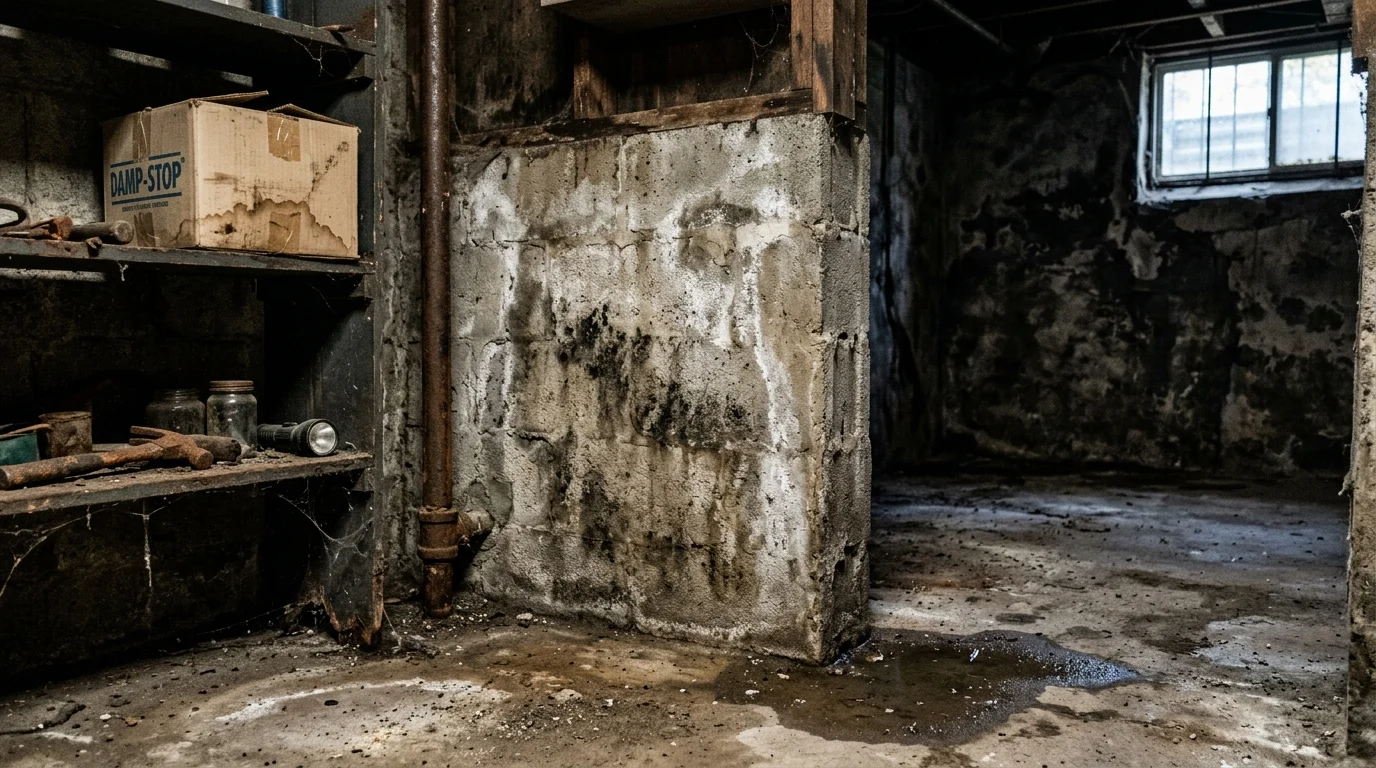
A damp basement usually points to more than a little condensation or a musty smell. Moisture can enter through foundation walls, floor cracks, poor drainage, humid air, or hidden plumbing leaks, and each source affects the space differently. Left unresolved, basement damp can encourage mold growth, worsen indoor air quality, and slowly damage wood, insulation, and concrete. This article explains the most common reasons basements stay damp, how to tell whether the problem is coming from inside or outside the home, and which signs suggest a minor fix versus a larger waterproofing issue.
Why basement damp matters
Basement dampness represents a severe threat to both building integrity and occupant health, extending far beyond minor aesthetic concerns. When subterranean spaces experience unregulated moisture intrusion, the consequences cascade upward through the structure via the stack effect, carrying humid air, volatile organic compounds, and microbial spores into primary living or working spaces.
Unmitigated moisture compromises the building envelope, accelerates the degradation of structural components, and generates substantial financial liabilities for property owners. Maintaining absolute control over subterranean relative humidity (RH) is a fundamental requirement for modern building performance and long-term asset preservation.
Effects on indoor air quality and structural durability
Elevated moisture levels directly degrade indoor air quality by providing an ideal environment for biological pollutants. Mold and mildew colonization typically initiates when ambient relative humidity sustains levels above 60% for 48 to 72 hours. These biological contaminants release spores and mycotoxins that circulate through HVAC systems, triggering severe respiratory distress and allergic reactions in occupants.
Structurally, chronic dampness attacks the foundation's core materials. Wood framing and subflooring exposed to sustained high humidity can reach a wood moisture equivalent (WME) exceeding 20%, the threshold where wood-destroying fungi and rot proliferate. In masonry and concrete, interstitial moisture leads to efflorescence—the deposition of soluble salts on the surface—and eventual spalling or micro-cracking due to hydrostatic pressure and seasonal freeze-thaw cycles. Over time, this degradation compromises the load-bearing capacity of the foundation walls.
Risks for liability, maintenance, and property value
From a risk management perspective, property owners and facility managers face substantial liability if dampness leads to verified indoor air quality failures or structural hazards. Tenants in commercial or residential properties can pursue legal action or break leases if toxic mold strains are identified, leading to costly litigation and remediation mandates.
Furthermore, a documented history of basement dampness directly impacts asset valuation. Real estate appraisals routinely penalize properties with active moisture issues, often resulting in a 10% to 15% reduction in overall property value. Maintenance budgets are similarly strained; damp basements increase latent cooling loads on HVAC equipment, forcing systems to consume up to 15% to 20% more energy to dehumidify the air before satisfying thermostat setpoints. Consequently, deferred maintenance on minor dampness inevitably translates into exponential capital expenditures.
What basement damp is and how to assess it
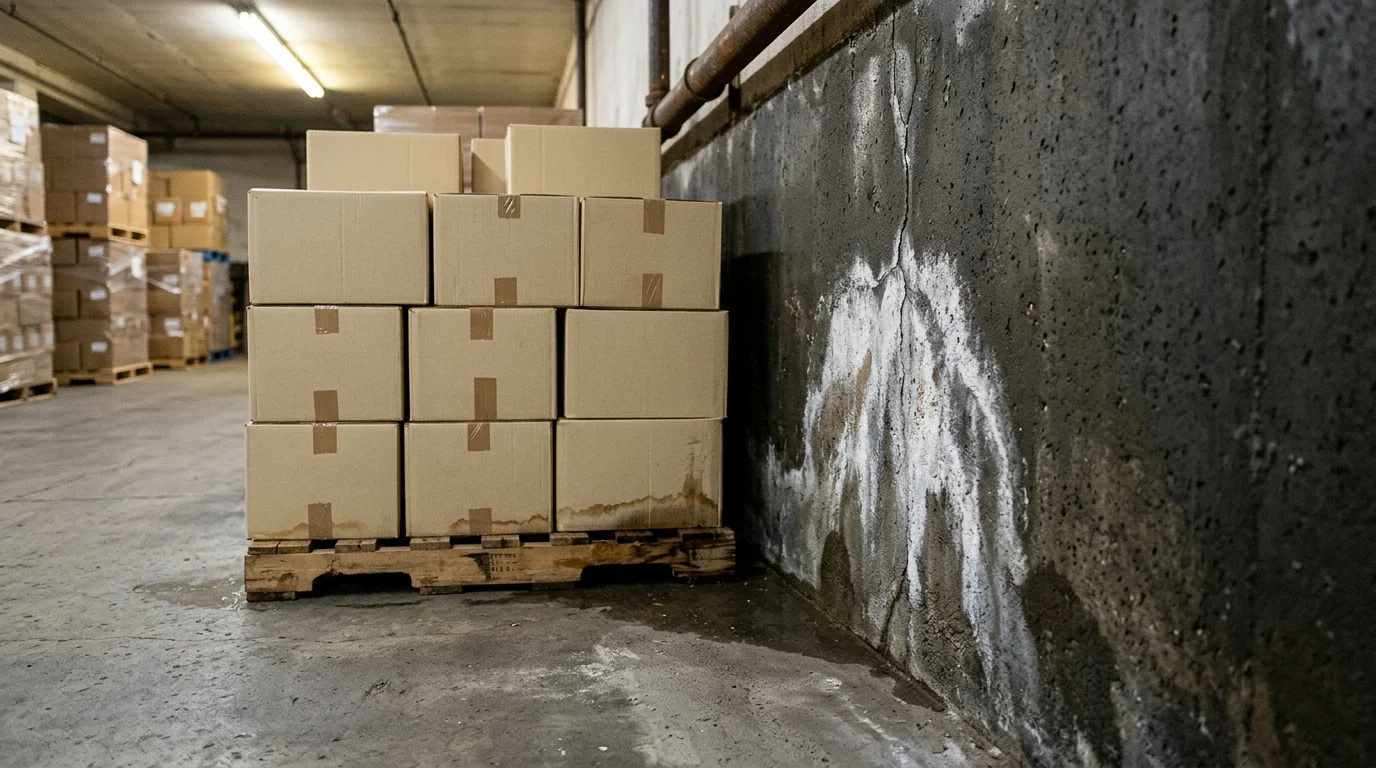
Accurate diagnosis of basement dampness requires distinguishing between superficial moisture and systemic water intrusion. Subterranean environments are naturally predisposed to dampness due to their proximity to soil moisture and the thermal disparity between conditioned interior air and cooler earth-retained walls. Professionals must utilize precise diagnostic protocols to quantify moisture levels and identify the exact mechanisms of failure before prescribing mitigation strategies.
Moisture sources and common failure modes
Moisture typically enters basements through three primary mechanisms: bulk water intrusion, capillary action, and vapor diffusion. Bulk water intrusion is often driven by hydrostatic pressure, where water accumulates against the foundation exterior and forces its way through cold joints, porous concrete, or structural cracks. Capillary action occurs when water wicks upward from damp soil through the microscopic voids in concrete footings and slab floors, often defeating inadequate or degraded damp-proofing.
Vapor diffusion involves moisture migrating from areas of high vapor pressure (wet soil) to areas of low vapor pressure (the basement interior). Common failure modes facilitating these sources include compromised exterior waterproofing membranes, degraded perimeter drain tiles, unsealed pipe penetrations, and the absence of a sub-slab vapor retarder.
Inspection signs, test methods, and moisture thresholds
Professional assessment relies on standardized testing rather than visual inspection alone, though signs like peeling paint, rusted appliances, and distinct olfactory evidence of mold are primary indicators. Quantitative diagnostics include in-situ relative humidity testing (ASTM F2170) utilizing probes embedded in the concrete slab, which provides an accurate moisture profile beneath the surface.
Surface moisture emissions are often measured using the anhydrous calcium chloride test (ASTM F1869). A healthy basement slab should generally exhibit an emission rate below 3 pounds per 1,000 square feet per 24 hours. Readings exceeding this threshold indicate active moisture drive. Additionally, pinless moisture meters and infrared thermography are deployed to map thermal anomalies and hidden moisture pockets behind finished drywall or insulation without destructive testing.
Differences among condensation, seepage, and leaks
Distinguishing between condensation, seepage, and active leaks is critical for effective remediation. Condensation occurs when warm, humid air contacts foundation walls or uninsulated cold water pipes that are below the ambient dew point, causing water vapor to phase-change into liquid. Seepage is the slow, continuous migration of moisture through porous foundation materials via capillary action, often leaving chalky efflorescence deposits.
Active leaks involve liquid water entering the envelope through distinct pathways, such as tie-rod holes or structural cracks exceeding 1/16 inch in width, typically correlating directly with heavy precipitation events.
| Moisture Type | Primary Source | Diagnostic Indicator | Typical Intervention |
|---|---|---|---|
| Condensation | High interior humidity, thermal bridging | Water droplets on cold surfaces; fails foil-square test on interior side | Dehumidification, insulation, HVAC balancing |
| Seepage | Capillary action, high soil moisture | Efflorescence, damp concrete; fails foil-square test on exterior side | Interior sealants, vapor barriers, exterior damp-proofing |
| Active Leaks | Hydrostatic pressure, bulk water | Visible water flow through cracks >1/16 inch during rain | Polyurethane injection, exterior excavation, French drains |
Why basements become damp
Basement dampness is rarely an isolated defect; it is typically the symptom of holistic building envelope or site management failures. The subterranean structure operates within a dynamic environment influenced by local hydrology, soil mechanics, and meteorological patterns. When the defensive systems designed to manage these external forces fail or degrade, dampness inevitably breaches the interior space.
Site drainage, gutters, footing drains, and groundwater
The most prevalent cause of bulk water intrusion is improper exterior site drainage. Building codes generally mandate a minimum grading slope of 5% (dropping 6 inches over the first 10 feet) away from the foundation perimeter to ensure surface runoff is directed safely away from the structure. When landscaping settles or hardscaping slopes toward the building, water pools against the foundation, exponentially increasing hydrostatic pressure.
Additionally, undersized or clogged gutter systems fail to manage roof runoff, dumping hundreds of gallons of water directly over the foundation backfill zone during a standard rain event. Subterranean footing drains (weeping tiles), designed to collect and channel groundwater away from the foundation base, frequently fail due to silt infiltration or crushing over time, causing the local water table to rise above the basement slab elevation.
Wall, slab, insulation, and air leakage issues
Deficiencies in the construction assembly itself frequently invite dampness. Older slabs poured without a minimum 6-mil polyethylene vapor barrier allow continuous vapor diffusion from the soil into the basement. In finished basements, improper insulation strategies—such as installing fiberglass batts directly against cold concrete foundation walls without a thermal break—create massive condensation planes.
Air leakage at the rim joist and sill plate is another critical vulnerability. Unsealed penetrations allow unconditioned, humid exterior air to bypass the building envelope. During summer months, this humid air enters the cooler basement environment, rapidly dropping below its dew point and depositing substantial condensation on structural timbers, ductwork, and plumbing infrastructure.
Climate, building age, and construction quality factors
Geographic and historical factors dictate the severity and frequency of basement dampness. Properties situated in regions with high water tables, heavy annual precipitation, or dense clay soils face continuous hydrostatic challenges. In northern climates, seasonal freeze-thaw cycles cause soil expansion and contraction, inducing structural stress and micro-cracking in foundation walls.
Building age is a profound determinant of dampness risk. Structures erected prior to the 1970s largely predate modern damp-proofing codes and often feature highly porous rubble, brick, or cinderblock foundations rather than monolithic poured concrete. These older assemblies lack modern elastomeric exterior membranes and capillary breaks, making them inherently susceptible to moisture migration regardless of structural integrity.
Basement damp solutions that work
Remediating basement dampness requires deploying targeted engineered solutions that directly address the diagnosed failure mechanism. Applying superficial sealants to structural leaks or ignoring bulk water intrusion in favor of dehumidification will result in systemic failure. Effective mitigation requires a hierarchy of interventions, ranging from passive exterior water management to active mechanical moisture control.
When to use exterior waterproofing, interior drainage, or dehumi
dification
Selecting the correct intervention depends on the volume and source of the moisture. Exterior waterproofing involves excavating the foundation perimeter to apply polymer-modified asphalt membranes and install new perimeter drainage. This is the definitive solution for severe hydrostatic pressure and structural degradation, as it stops water before it touches the wall. Interior drainage systems, such as sub-slab French drains coupled with sump pumps, are highly effective for managing seepage and rising water tables when exterior excavation is logistically impossible or cost-prohibitive.
For dampness strictly related to condensation and vapor diffusion, mechanical dehumidification is the appropriate response. Commercial-grade desiccant or high-capacity refrigerant dehumidifiers, capable of extracting 70 to 130 pints of water per day, are required to maintain the basement environment below the critical 50% relative humidity threshold.
Project steps from diagnosis to repair
A successful remediation project follows a strict operational sequence. The process begins with absolute diagnosis, utilizing the F2170 and F1869 testing standards to map the moisture drive. The second phase is containment and preparation, which may involve removing contaminated drywall, abating mold, and temporarily supporting structural loads if excavation is required.
The execution phase involves installing the selected mechanical or physical barriers, such as injecting polyurethane resins into foundation cracks or trenching the perimeter slab. The final phase is verification, requiring a minimum 30-day monitoring period using data loggers to ensure relative humidity and concrete moisture equivalents have stabilized within acceptable tolerances before any finish materials are installed.
Comparing remedies by cost, disruption, and durability
Facility managers and homeowners must evaluate remediation strategies through the lenses of capital expenditure, operational disruption, and lifecycle durability.
| Remediation Method | Typical Cost Range (per linear ft / unit) | Disruption Level | Expected Lifespan |
|---|---|---|---|
| Exterior Excavation & Membrane | $150 – $250 / linear ft | High (Landscaping destruction, heavy equipment) | 30–50+ years |
| Interior Sub-Slab Drainage | $50 – $100 / linear ft | Medium (Slab trenching, dust generation) | 15–25 years (requires pump maintenance) |
| Crack Injection (Polyurethane) | $400 – $800 / crack | Low (Localized interior access only) | 10–15 years |
| Commercial Dehumidification | $1,200 – $2,500 / unit | Low (Plug-and-play, minor ducting) | 5–10 years |
How to choose the next step
Navigating the complexities of basement moisture remediation requires a strategic approach to prioritization and contractor engagement. Property owners must avoid reactionary spending on superficial fixes and instead develop a phased mitigation plan based on risk severity, empirical data, and long-term asset protection strategies.
What to address immediately versus monitor
Triage is the first step in formulating an action plan. Conditions posing immediate threats to structural integrity or life safety must be addressed without delay. Active bulk water intrusion exceeding 1 gallon per minute during storm events, structural foundation cracks wider than 1/8 inch, or the confirmed presence of toxigenic mold species require emergency intervention and specialized abatement.
Conversely, minor capillary seepage resulting in stable, localized efflorescence or seasonal condensation causing transient humidity spikes can often be placed under a monitoring protocol. For these low-risk scenarios, implementing low-cost, passive improvements—such as extending downspouts 5 to 10 feet from the foundation or installing a standard residential dehumidifier—may suffice while the space is observed across multiple weather cycles.
How to document findings, define scope, and review warranties
When engaging professional remediation contractors, meticulous documentation and strict scope definition are paramount. Owners should maintain a comprehensive photographic log of moisture events, correlate leaks with local precipitation data, and require contractors to include baseline and post-mitigation moisture mapping in their proposals.
Careful review of warranties
Key Takeaways
- The most important conclusions and rationale for basement damp
- Specs, compliance, and risk checks worth validating before you commit
- Practical next steps and caveats readers can apply immediately
Frequently Asked Questions
What causes a basement to feel damp even without leaks?
Condensation is common when warm indoor air hits cool basement walls or floors. High humidity, poor ventilation, and uninsulated pipes also add moisture.
What humidity level should a basement stay under?
Keep basement relative humidity below 60%, ideally 45% to 50%. Use a hygrometer to monitor it and a dehumidifier if levels stay high.
How can I tell if basement damp is from water intrusion or just humidity?
Look for wall stains, efflorescence, cracks, or puddles after rain. If surfaces feel damp year-round without rain, humidity or vapor diffusion may be the main issue.
Can basement damp lead to mold and structural damage?
Yes. Damp conditions can trigger mold within 48 to 72 hours and can also damage wood, drywall, and masonry over time. Fast moisture control limits both risks.
What practical steps reduce basement damp quickly?
Run a dehumidifier, seal obvious cracks, insulate cold pipes, and keep gutters and downspouts directing water away from the foundation. If dampness persists, schedule a moisture inspection.