
The Ideal Dehumidifier Setup for Apartments and Small Homes
An optimal indoor climate control strategy requires a precise dehumidifier configuration to successfully mitigate moisture retention, prevent mold proliferation, and sustain structural integrity within space-constrained residential environments. Implementing the correct equipment capacity alongside strategic spatial positioning ensures maximum moisture extraction efficiency while keeping power consumption minimal. This engineering guide delineates the technical specifications, structural placements, and operational protocols required to establish an advanced moisture-control infrastructure for compact living quarters.
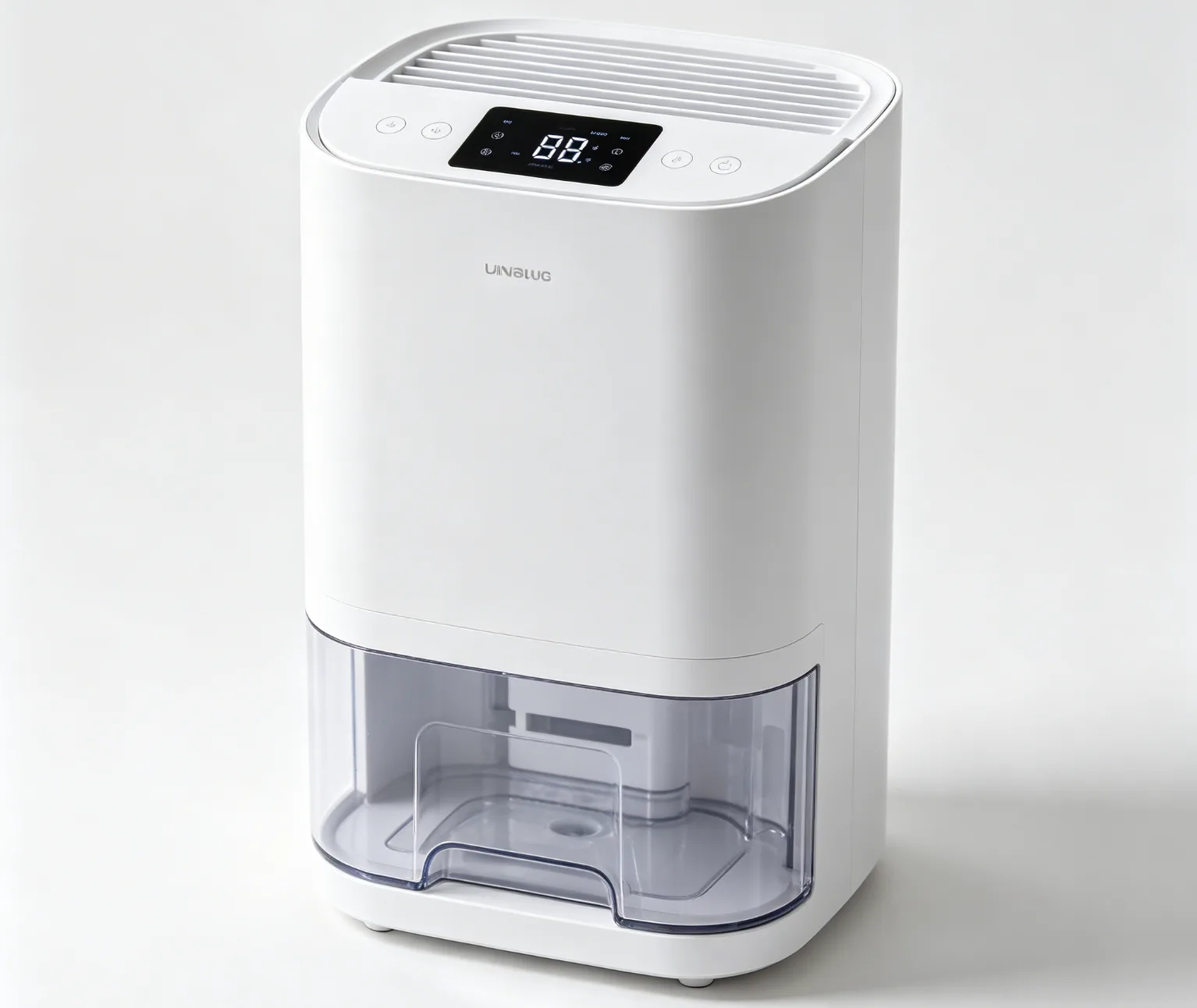
Technical Assessment of Small-space Capacity Requirements
Indoor moisture equilibrium in compact residential zones depends heavily on selecting an appliance with an appropriate relative capacity. The Home Appliance Manufacturers Association (AHAM) and the United States Department of Energy (DOE) evaluate portable dehumidifiers based on pints of water extracted per 24-hour cycle under standardized environmental parameters. While a commercial facility relies on heavy industrial setups, an apartment requires a compact yet high-efficiency mechanism. For spaces spanning 500 to 1,500 square feet, a 20-pint to 35-pint unit under current DOE standards provides the ideal extraction matrix.
Over-sizing an appliance leads to rapid cycling, which accelerates mechanical wear and increases baseline energy spikes. Conversely, under-sized units operate continuously without ever reaching the target relative humidity (RH) threshold. Ambient air parameters must dictate the precise selection framework. Moderately damp rooms with an initial RH of 60% to 70% require less aggressive extraction volumes compared to highly saturated subterranean basements.
| Spatial Footprint (Sq. Ft.) | Ambient Moisture Condition | Recommended DOE Capacity (Pints/Day) | Air Changes Per Hour (ACH) |
|---|---|---|---|
| 500 – 700 | Damp / Musty Aroma | 20 Pints | 3 to 4 ACH |
| 700 – 1,000 | Very Damp / Visible Moisture | 25 – 30 Pints | 4 to 5 ACH |
| 1,000 – 1,500 | Wet / Water Seepage | 35 – 50 Pints | 5 to 6 ACH |
Selecting Core Dehumidification Technologies
Residential moisture extraction utilizes two primary mechanical frameworks: compressor-driven condensation loops and desiccant rotor absorption matrices. According to thermodynamic performance assessments published by the American Society of Heating, Refrigerating and Air-Conditioning Engineers (ASHRAE), compressor units offer superior energy efficiency metrics when ambient temperatures remain above 65°F (18°C). These compressor models draw humid air over a chilled evaporator coil, precipitating vapor into liquid water before exhausting re-warmed, dry air back into the room.
For colder zones like unheated storage units or northern apartments during winter, a desiccant mechanism proves more reliable. Desiccant units utilize a chemical rotor, such as silica gel, to absorb moisture from the airflow without relying on sub-cooling cycles. This eliminates the periodic defrost cycles that reduce compressor efficiency in cold environments. However, desiccant machinery consumes higher electrical wattages due to the thermal reactivation process required to purge the rotor.
- Compressor Units: Optimal for high ambient temperatures, offering a lower operational cost per pint of extracted water.
- Desiccant Units: Best suited for low-temperature applications, providing silent operation but higher energy consumption.
Strategic Unit Positioning and Continuous Drainage Layouts
Maximizing computational airflow distribution requires positioning the dehumidification unit in a centralized location with unobstructed ambient intake paths. Placing a unit directly against structural walls stalls air currents, creating micro-climates of localized stagnation. Maintenance standards require keeping at least 12 to 18 inches of clearance around all intake and exhaust grilles. In multi-room apartments, prioritizing a central hallway or the primary source of humidity, like a bathroom or kitchen, yields the best results.
Managing wastewater accumulation is a critical factor for continuous, autonomous operation. Manual bucket drainage requires human intervention every few hours, which often leads to automatic float-switch shutdowns that stall your moisture-control routine. Implementing a continuous gravity drainage line via a dedicated flexible PVC hose eliminates this operational bottleneck. When a floor-level drain is unavailable, installing an internal condensate pump lets you route wastewater vertically into kitchen sinks or elevated plumbing standpipes.
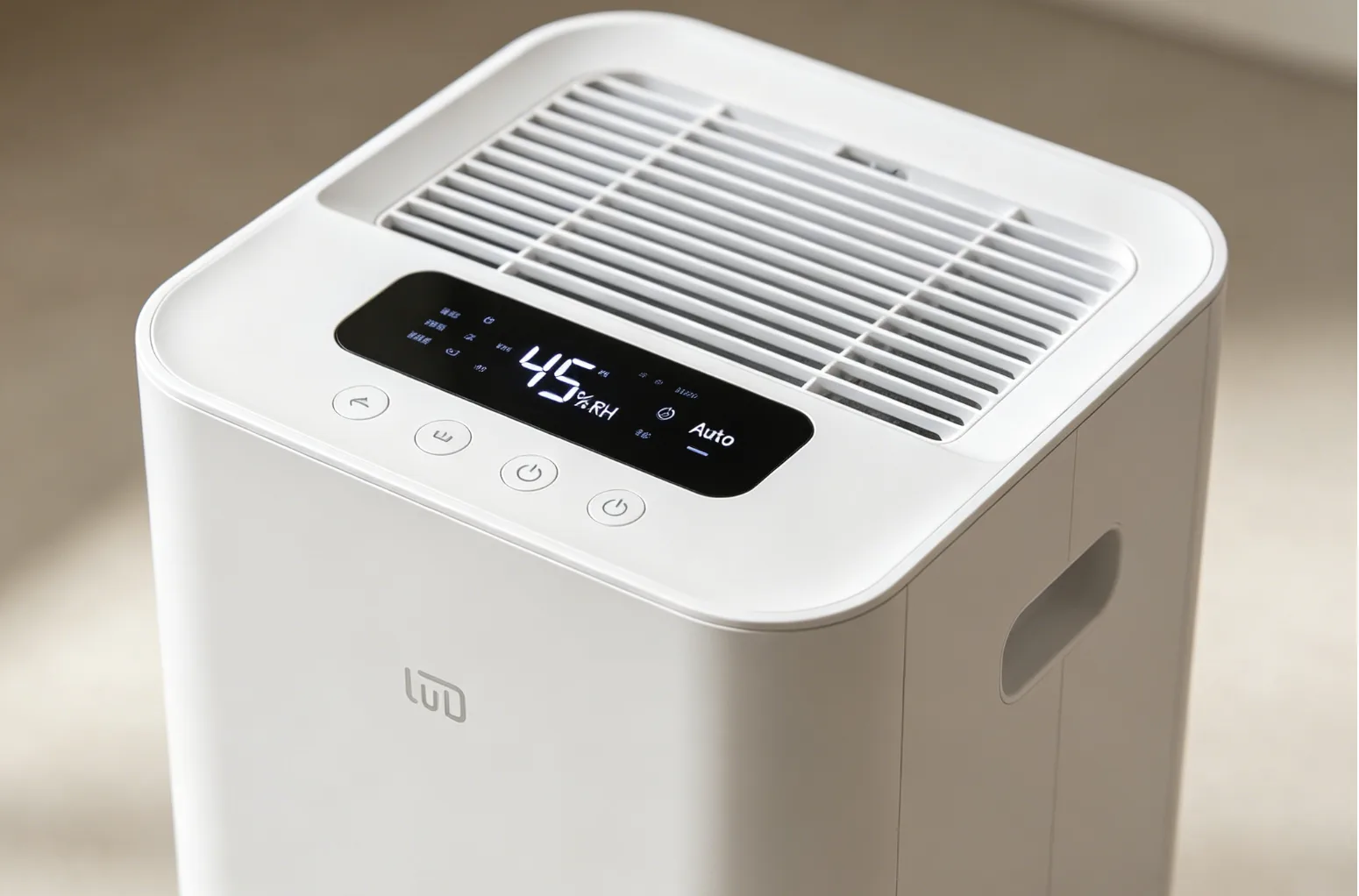
Acoustic Mitigation and Energy Conservation Baselines
Acoustic emission management is crucial when operating mechanical compressors within tight, close-quarters residential layouts. Sound pressure metrics exceeding 52 decibels (dBA) often disrupt sleep cycles and daily residential activities. High-quality compact units integrate specialized rubberized dampening mounts around the compressor housing to minimize low-frequency structural vibrations. Selecting a model with variable fan speeds allows users to balance daytime extraction performance against ultra-quiet nighttime operation.
Operational cost efficiency depends heavily on adhering to strict electrical consumption standards. Choosing an Energy Star certified model ensures the internal cooling loops, fan motors, and control boards utilize advanced, energy-saving components. According to data from the Environmental Protection Agency (EPA), certified residential dehumidification appliances consume up to 15% less energy than standard non-certified models. This helps keep monthly utility bills manageable during peak summer operating seasons.
Comprehensive Operational Best Practices
To maintain optimal indoor air quality, the target relative humidity should be locked between 40% and 50%. Setting the system below 30% causes excessive air dryness, which can irritate human respiratory tracts and cause wooden furniture or flooring to crack. Conversely, exceeding 55% creates a prime breeding ground for allergen dust mites and dangerous mold spores.
Systematic preventative maintenance ensures long-term operational reliability and peak performance. The primary air filter should be removed and washed every 250 operational hours to prevent dust accumulation from choking the evaporator coils. Furthermore, treating the internal collection reservoir with biocide tablets prevents biofilm and algae from clogging the internal drainage lines. Taking these technical steps ensures your small-space dehumidification setup provides reliable, high-efficiency moisture control for years to come.
Frequently Asked Questions
1. What is the most efficient dehumidifier capacity for a 600-square-foot apartment?
A 20-pint dehumidifier certified under modern DOE testing standards is highly efficient for a 600-square-foot apartment. This capacity maintains optimal airflow velocity and moisture extraction without drawing excessive power, preventing frequent compressor cycling while easily managing typical daily household humidity spikes.
2. Where should a portable dehumidifier be placed to achieve maximum moisture extraction?
Place the unit in a central location, such as a main hallway, with at least 15 inches of open clearance around all intake and exhaust grilles. Avoid corners or tight spaces behind furniture, as restricted airflow limits the device’s ability to lower humidity evenly across multiple rooms.
3. Can I run a residential dehumidifier continuously without manually emptying the water tank?
Yes, you can enable autonomous operation by connecting a dedicated gravity drainage hose or utilizing an integrated condensate pump. This configuration routes wastewater directly into a floor drain, sink, or plumbing line, bypassing the manual bucket and avoiding automatic float-switch shutdowns.
4. How does ambient room temperature affect the overall performance of a compressor-based dehumidifier?
Compressor-based models operate best in ambient temperatures above 65°F (18°C). When temperatures drop lower, frost can form on the internal evaporator coils, triggering automatic defrost cycles that temporarily halt moisture extraction and lower the unit’s overall energy efficiency.
5. What specific relative humidity setting balances personal comfort with property protection?
Setting your unit’s humidistat between 40% and 50% relative humidity delivers the ideal balance. This range successfully blocks mold cultivation and dust mite proliferation while preventing excessive dryness that can cause respiratory discomfort or structural damage to wooden household fixtures.