
Indoor humidity control is one of the most effective ways to prevent mold growth, condensation, and damp odors at home. A properly selected dehumidifier can reduce excess moisture, improve indoor air quality, and protect walls, furniture, clothing, and flooring from long-term water damage. This guide explains how to use a dehumidifier correctly, how to choose the right model, and how to maintain ideal humidity levels for mold prevention.
Why Indoor Humidity Causes Mold and Damp Problems
Excess indoor moisture creates the ideal environment for mold spores, bacteria, and dust mites. According to the U.S. Environmental Protection Agency, indoor humidity should generally stay between 30% and 50% to reduce microbial growth and condensation risks.
Homes with poor ventilation, water leaks, or frequent condensation often experience damp walls, musty smells, and mold patches. Bathrooms, basements, laundry rooms, and bedrooms are especially vulnerable because warm air holds more moisture.
High humidity also affects furniture, electronics, books, and fabrics. Wooden flooring may warp, paint may peel, and stored clothing can develop mildew odors over time.
For detailed humidity control solutions, CetusDry offers several product categories including quiet home dehumidifier, compressor dehumidifier systems, portable residential units, industrial moisture control systems, and customized humidity management equipment.
How a Dehumidifier Controls Moisture and Improves Indoor Air Quality
A dehumidifier removes excess water vapor from indoor air and stabilizes humidity levels. Most residential dehumidifiers collect moisture through refrigeration or thermoelectric condensation technology.
When humidity remains below the mold growth threshold, spores cannot spread easily on drywall, wood, carpets, or fabric surfaces. Lower humidity also reduces dust mite activity and condensation on windows.
The Centers for Disease Control and Prevention recommends controlling indoor moisture as a primary strategy for mold prevention in homes and buildings.
CDC mold prevention guidance and EPA indoor humidity recommendations both emphasize moisture control as a key indoor health measure.
A modern home dehumidifier may also include humidity sensors, automatic drainage systems, washable filters, sleep modes, and smart humidity monitoring.
Common Areas Where Mold Develops in Homes
Mold problems usually appear in areas with poor airflow and persistent humidity. Identifying these spaces early helps improve dehumidifier placement and moisture removal efficiency.
| Area | Common Moisture Source | Recommended Solution |
|---|---|---|
| Basement | Ground moisture and poor ventilation | High-capacity compressor dehumidifier |
| Bathroom | Steam from showers | Continuous ventilation and compact dehumidifier |
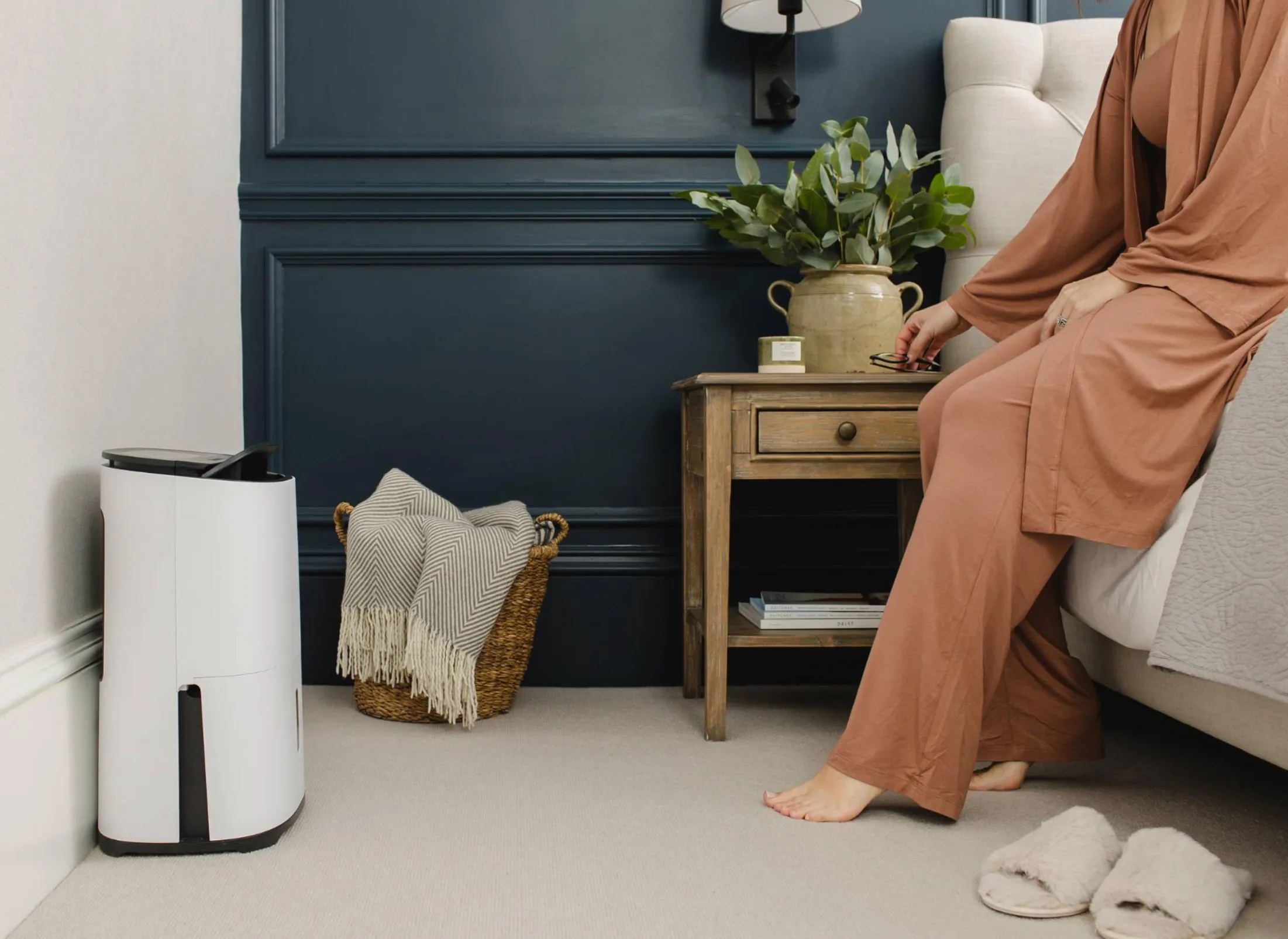
| Bedroom | Condensation and limited airflow | Quiet dehumidifier with sleep mode |
| Laundry Room | Wet clothes and dryers | Fast moisture extraction unit |
| Closet | Trapped humid air | Small portable dehumidifier |
Basements often require stronger moisture control because underground structures naturally retain humidity. Bedrooms usually benefit from low-noise units designed for overnight operation.
Users searching for quiet operation can review CetusDry’s low-noise bedroom dehumidifier solutions for sleep-friendly humidity control.
Choosing the Right Dehumidifier for Different Spaces
Selecting the correct dehumidifier depends on room size, humidity severity, temperature, and operating noise requirements.
Small rooms generally perform well with thermoelectric units, while larger damp spaces require compressor-based systems with stronger moisture extraction capacity.
Key Factors to Compare
| Feature | Thermoelectric Dehumidifier | Compressor Dehumidifier |
|---|---|---|
| Best Room Size | Small rooms | Medium to large rooms |
| Noise Level | Very quiet | Moderate |
| Moisture Removal Speed | Lower | Higher |
| Energy Efficiency | Good for small spaces | Better for heavy humidity |
| Ideal Application | Bedroom, closet, RV | Basement, laundry room |
According to industry estimates, compressor models remove moisture significantly faster in environments above 60% relative humidity.
Homeowners comparing technologies can review CetusDry’s thermoelectric dehumidifier comparison guide for a detailed explanation of operating differences.
For larger residential or commercial spaces, some users also consider industrial dehumidification equipment when humidity remains consistently high.
Step-by-Step Guide to Using a Dehumidifier Effectively
Correct placement and settings are essential for effective mold prevention. Poor positioning can reduce airflow and lower moisture extraction performance.
1. Place the Dehumidifier Near Moisture Sources
The best location is usually near condensation zones, damp walls, laundry areas, or basement corners. Leave at least 20 to 30 centimeters of clearance around air intake vents.
Avoid placing the unit directly against walls or furniture because restricted airflow reduces efficiency.
2. Set the Correct Humidity Level
Most experts recommend maintaining indoor humidity between 40% and 50% for daily comfort and mold prevention.
Humidity above 60% significantly increases the likelihood of mold growth. Extremely low humidity below 30% may dry wood furniture and irritate skin or airways.
3. Keep Doors and Windows Closed
Closing windows prevents outdoor humid air from entering the room during operation. Open windows force the dehumidifier to work continuously and waste electricity.
4. Use Continuous Drainage in Damp Areas
Basements and laundry rooms may fill water tanks quickly. Continuous drainage systems reduce maintenance and support uninterrupted operation.
Many advanced custom humidity control systems include automatic drainage options for long-term moisture management.
5. Run the Unit Consistently During Humid Seasons
Continuous operation during rainy seasons or summer months helps maintain stable humidity conditions. Intermittent operation may allow moisture levels to rebound rapidly.
Recommended Humidity Levels for Mold Prevention
Stable indoor humidity is more important than short-term moisture reduction. Consistent humidity control prevents condensation from returning to walls and windows.
| Relative Humidity | Indoor Effect |
|---|---|
| Below 30% | Air becomes too dry |
| 30%–50% | Ideal comfort and mold prevention |
| 50%–60% | Moderate mold risk |
| Above 60% | High mold and dampness risk |
The World Health Organization and multiple building science organizations recommend moisture management as a critical component of healthy indoor environments.
WHO indoor air quality information also highlights the importance of proper indoor environmental control.
Compressor vs Thermoelectric Dehumidifiers
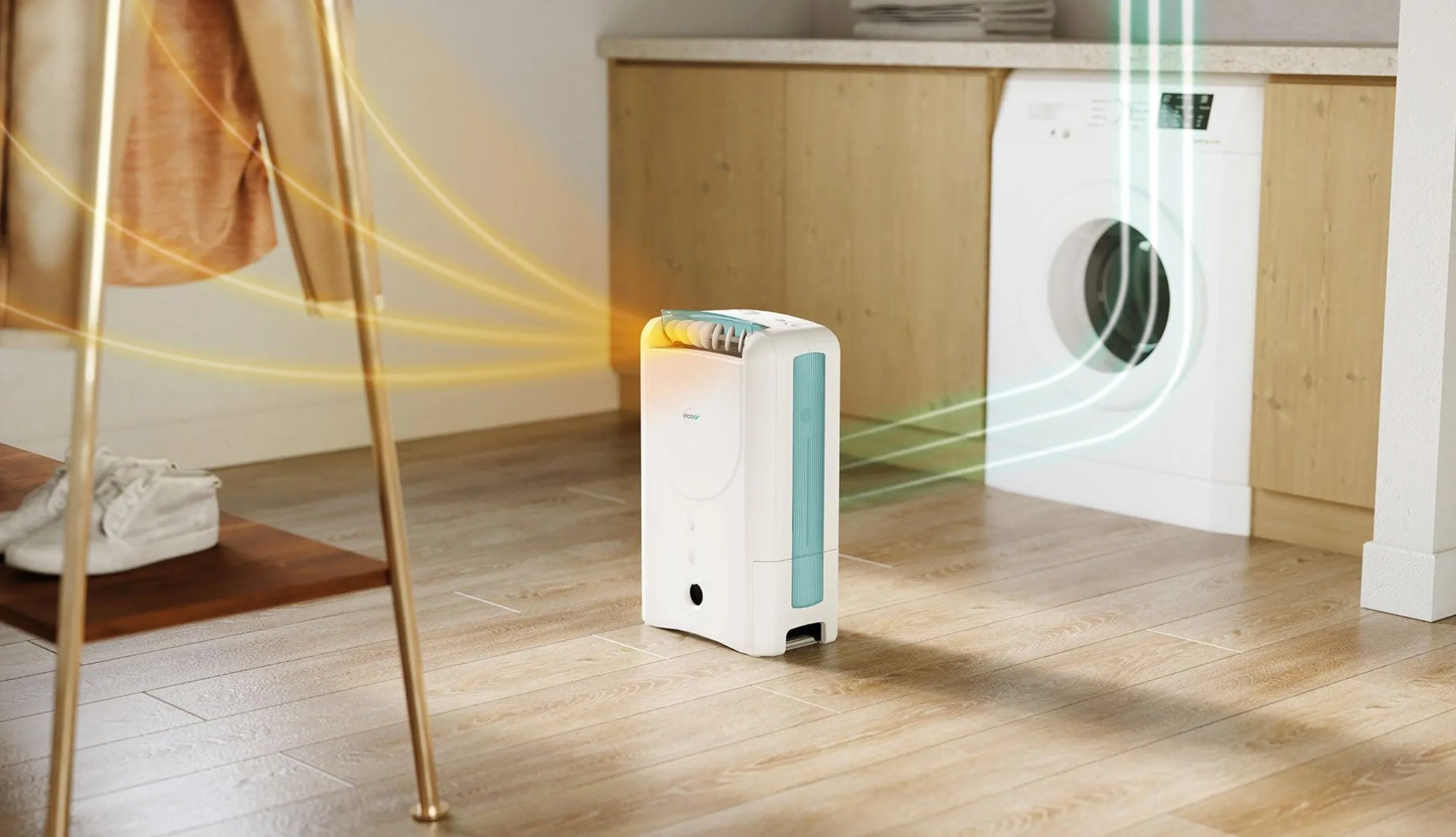
Compressor and thermoelectric dehumidifiers solve moisture problems differently. The correct choice depends on humidity severity, room size, and noise sensitivity.
Compressor dehumidifiers cool humid air and condense water rapidly. These systems are highly effective in basements, garages, storage rooms, and humid climates.
Thermoelectric models use semiconductor cooling technology. These units operate quietly and suit bedrooms, closets, offices, and compact living spaces.
Practical Selection Checklist
- Choose a compressor dehumidifier for severe dampness or visible mold.
- Choose a thermoelectric unit for silent overnight operation.
- Select automatic humidity control for energy efficiency.
- Use washable filters to simplify maintenance.
- Consider drainage hose compatibility for continuous operation.
CetusDry provides multiple portable dehumidifier options for bedrooms, apartments, storage rooms, and commercial applications.
Maintenance Tips for Long-Term Dehumidifier Performance
Routine maintenance directly affects moisture removal efficiency and equipment lifespan. Dirty filters and blocked airflow reduce dehumidification capacity.
Essential Maintenance Tasks
| Maintenance Task | Recommended Frequency |
|---|---|
| Clean air filter | Every 2–4 weeks |
| Empty water tank | As needed |
| Inspect drainage hose | Monthly |
| Clean air vents | Monthly |
| Check humidity sensor | Every season |
Dust buildup inside filters can reduce airflow and increase energy consumption. Always unplug the unit before cleaning internal components.
Water tanks should also be disinfected periodically because standing water may encourage bacterial growth.
Common Mistakes That Reduce Moisture Control Efficiency
Many homeowners use dehumidifiers incorrectly and experience limited mold prevention results. Small operational mistakes often reduce performance significantly.
Common Errors
- Running a dehumidifier with windows open.
- Using an undersized unit for large damp rooms.
- Ignoring filter cleaning schedules.
- Turning the unit off too frequently.
- Placing the appliance inside enclosed corners.
A dehumidifier cannot fully solve structural water leaks or severe building ventilation problems. Persistent mold growth may require professional inspection.
Conclusion
A properly used dehumidifier is one of the most effective tools for preventing mold, condensation, and damp indoor conditions. Stable humidity control protects indoor air quality, improves comfort, and reduces long-term damage to walls, flooring, furniture, and fabrics.
The best results come from selecting the correct dehumidifier type, maintaining humidity between 40% and 50%, and operating the system consistently during humid conditions. Compressor models work best for severe dampness, while thermoelectric units provide quiet moisture control for smaller rooms.
FAQ
How long should a dehumidifier run each day to prevent mold?
Most homes require 6 to 12 hours of operation daily during humid seasons. Basements or poorly ventilated rooms may need continuous operation. The ideal runtime depends on room size, outdoor humidity, insulation quality, and indoor moisture sources such as laundry, showers, or water leaks.
Can a dehumidifier completely remove mold from a room?
A dehumidifier cannot remove existing mold colonies directly, but it helps stop further growth by lowering indoor humidity. Existing mold usually requires physical cleaning or remediation. Moisture control is essential because mold quickly returns when humidity remains consistently high.
What size dehumidifier is best for a basement?
A medium or high-capacity compressor dehumidifier is generally recommended for basements because underground spaces retain moisture more easily. Extremely damp basements may require continuous drainage and larger extraction capacity to maintain humidity below 50% effectively.
Is sleeping with a dehumidifier safe?
Modern dehumidifiers are designed for safe overnight operation when used according to manufacturer instructions. Quiet thermoelectric or low-noise compressor models are commonly used in bedrooms. Proper ventilation clearance and regular maintenance help ensure stable long-term operation.
Why does my home still feel damp after using a dehumidifier?
Persistent dampness may indicate hidden water leaks, poor insulation, inadequate ventilation, or an undersized unit. Opening windows frequently during humid weather can also reduce efficiency. In severe cases, professional building inspection may be necessary to identify structural moisture sources.