
Is the humidity in your home too high? Excess moisture can seep into every corner of your house and cause serious damage. Whether you are dealing with musty odors, window condensation, or allergens, finding the right dehumidifier placement can make a significant difference in its performance.
From condensation in the bedroom, to black mold in the bathroom, to musty smells in closets, our mini dehumidifier is compact, well-designed, and blends seamlessly with almost any interior décor.
In this guide, we will explore the best placement for dehumidifier, helping you maximize its efficiency and protect your home from mold growth.
Why Use a Dehumidifier?
Before discussing where to place a dehumidifier, we first need to remember why we need a home dehumidifier.
A dehumidifier helps reduce and control air humidity, creating an optimal environment for your family and allowing for a
happy and healthy home life—say goodbye to mold, condensation, and musty smells. Read our beginner’s guide to learn
about all the benefits of reducing indoor humidity.
When choosing the best placement for your dehumidifier, refer to our checklist of considerations:
3 Key Things to Check When Placing a Dehumidifier
1. Does it need electricity?
For electric dehumidifiers, placement is limited because they need to be near a power source.
2. Room Size
Knowing the size of the space helps you determine if a dehumidifier can effectively absorb excess moisture from the area.
Even mini dehumidifiers can cover up to 25 square meters; using a dehumidifying sheet can cover 12.5 square meters.
3. Airflow
Choosing a well-ventilated location in the room is crucial—ideally, avoid placing it in a corner or niche. This ensures
continuous air circulation, allowing the dehumidifier pads to absorb excess moisture and enabling the dehumidifier to
operate at its optimal state.
Now let’s look at the best places to place desiccant in each room.
Prioritizing High-Humidity Zones
When determining the best place to put a dehumidifier, your first focus should be on areas that naturally trap moisture. These spaces are breeding grounds for mold and unpleasant odors, making them the prime candidates for immediate humidity control.
- Basements: As the lowest point of the house, basements are inherently prone to dampness. It is highly recommended to position the unit near water sources or visible condensation spots, while ensuring ample clearance around the device for unrestricted airflow.
- Bathrooms and Laundry Rooms: Showers and washing machines release massive amounts of water vapor. If there is a safe electrical outlet available, place the machine on dry flooring just outside the direct spray zone of the shower to prevent wallpaper peeling and tile mildew.
- Utility and Mudrooms: These transitional spaces often suffer from wet shoes, damp coats, and external humidity seeping in. Stationing a dehumidifier in the central walkway of these rooms helps intercept moisture before it spreads to the rest of the house.
- Kitchen: Cooking generates a lot of moisture – whether using a stove, oven, or boiling water. In colder months, this moisture tends to linger indoors because windows are less frequently opened. Using a dehumidifier can prevent mold, condensation on wall tiles, cabinets, and backsplashes, and even problems like paint blistering and cabinet warping, especially around the stove and oven.
- Living Room: Kitchens are often connected to living rooms, making it easy for excess moisture to enter. In colder seasons, larger temperature differences and poor ventilation can cause moisture to stagnate behind furniture. This can lead to a range of problems, such as condensation on windows and ceilings, peeling wallpaper, bubbling paint, and even mold growth behind furniture!
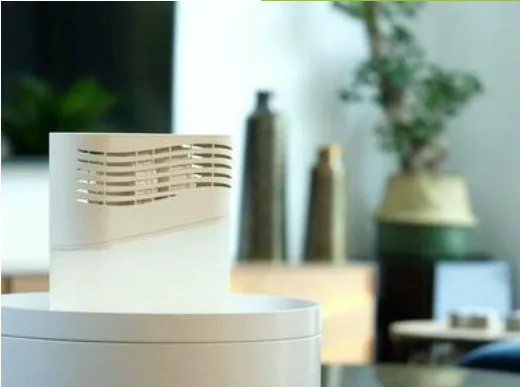
- Bedroom: We exhale water vapor into the air when we breathe. Since the bedroom is usually the room where people spend the most time, moisture generated by human activity can easily accumulate in this space. In addition, the effect of temperature changes cannot be ignored, and for bedrooms with ensuite bathrooms, moisture from the bathroom can also seep into the bedroom.
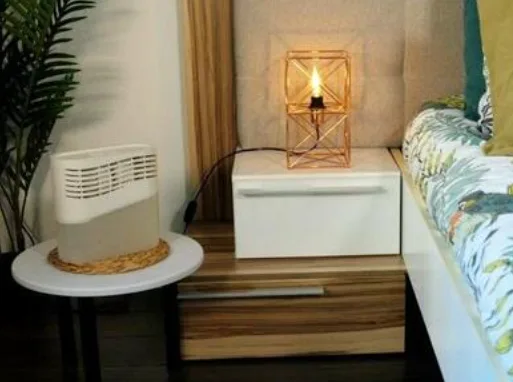
Strategic Layouts for Daily Living Spaces
Beyond the excessively damp areas, the spaces where you spend the majority of your time also require proper moisture balance. Correct dehumidifier positioning in living areas not only improves comfort but also protects your furniture and respiratory health.
- Bedrooms: To ensure uninterrupted sleep, keep the unit away from your nightstand to avoid cold drafts directly hitting your body, and verify that the air outlet is not blocked by heavy curtains or wardrobe doors.
- Living Rooms: Because living areas are generally spacious, the ideal dehumidifier location is the center of the room or along main air circulation pathways. This ensures that moisture is drawn in evenly from all corners without leaving damp dead zones.
- Walk-in Closets and Storage Rooms: Valuable clothing, leather goods, and books are highly sensitive to humidity fluctuations. Placing a compact unit in an unused corner of these storage spaces creates a localized dry microclimate, effectively safeguarding your belongings from mustiness.
Universal Placement Principles for Maximum Efficiency
Regardless of which room you choose, following basic aerodynamic principles and operational guidelines will maximize the dehumidification efficiency and extend the lifespan of your machine.
- Maintain distance from walls: To allow the intake and exhaust vents to form a proper airflow loop, the device should be placed at least a foot away from walls, sofas, or large furniture pieces.
- Avoid heat sources and direct sunlight: Never place the unit next to radiators, heaters, or in direct sunlight. Elevated ambient temperatures can trick the built-in humidity sensor, significantly reducing the machine’s extraction performance.
- Seek level, solid ground: Uneven or soft surfaces like plush carpets can cause vibration and operational noise, and they may even interfere with the gravity-fed drainage systems of the internal water tank.
Location Tips for Different Types of Dehumidifiers
The market offers a wide variety of moisture-control products, and each type has unique environmental requirements based on its working principle. Matching the device type to the spatial characteristics is key to achieving the best results.
- Compressor Dehumidifiers: These traditional units perform exceptionally well in standard room temperatures, making them the perfect choice for living rooms, basements, and any indoor environment maintained above fifteen degrees Celsius.
- Desiccant Dehumidifiers: Due to their frost-free design, they are excellent choices for colder environments. They are perfectly suited for unheated garages, chilly winter porches, or drafty storage sheds where compressor models would shut down.
- Thermoelectric Mini Dehumidifiers: Limited by their small extraction capacity, these devices are best positioned in tightly sealed, micro-spaces such as the bottom of a wardrobe, inside a small safe, or on a bathroom shelf.
FAQ
Can you put a dehumidifier in a closed room?
Yes, running a dehumidifier in a closed room is actually more effective because it prevents outdoor damp air from constantly entering, allowing the device to lower the room’s absolute humidity much faster.
Should a dehumidifier be on the floor or elevated?
In most cases, it should be placed on a flat, solid floor to ensure compressor stability and proper water drainage, though some wall-mounted models or units with ducting can be elevated to improve whole-room air circulation.
How long does it take for a dehumidifier to dry a room?
This depends on room size, initial humidity, temperature, and the machine’s capacity, but a standard residential unit typically takes anywhere from a few hours to half a day to bring a highly humid room down to a comfortable level.
Can I leave the dehumidifier on all the time?
Yes, modern dehumidifiers feature built-in humidistats and auto-shutoff functions that switch the unit to standby once the target humidity is reached, making continuous, safe operation entirely possible.
Where is the worst place to put a dehumidifier?
The worst locations are tight corners against walls, cluttered enclosed spaces, or directly against soft fabrics, as these obstacles severely restrict airflow and cause the unit to run inefficiently without actually lowering room humidity.