
If you’re new to using a dehumidifier, understanding the basics can help you maximize performance and improve indoor air quality. Whether you’re dealing with damp basements, humid bedrooms, or seasonal moisture issues, learning how to use a home dehumidifier correctly ensures better efficiency, comfort, and long-term durability.
Signs You Need a Dehumidifier
There are many signs that the air humidity is too high and you need a dehumidifier.
Look for the following:
Condensation on walls and windows
Molding
Muddy smell
Dust mites
Peeling paint or wallpaper
Rotting wood
Two Types of Dehumidifiers
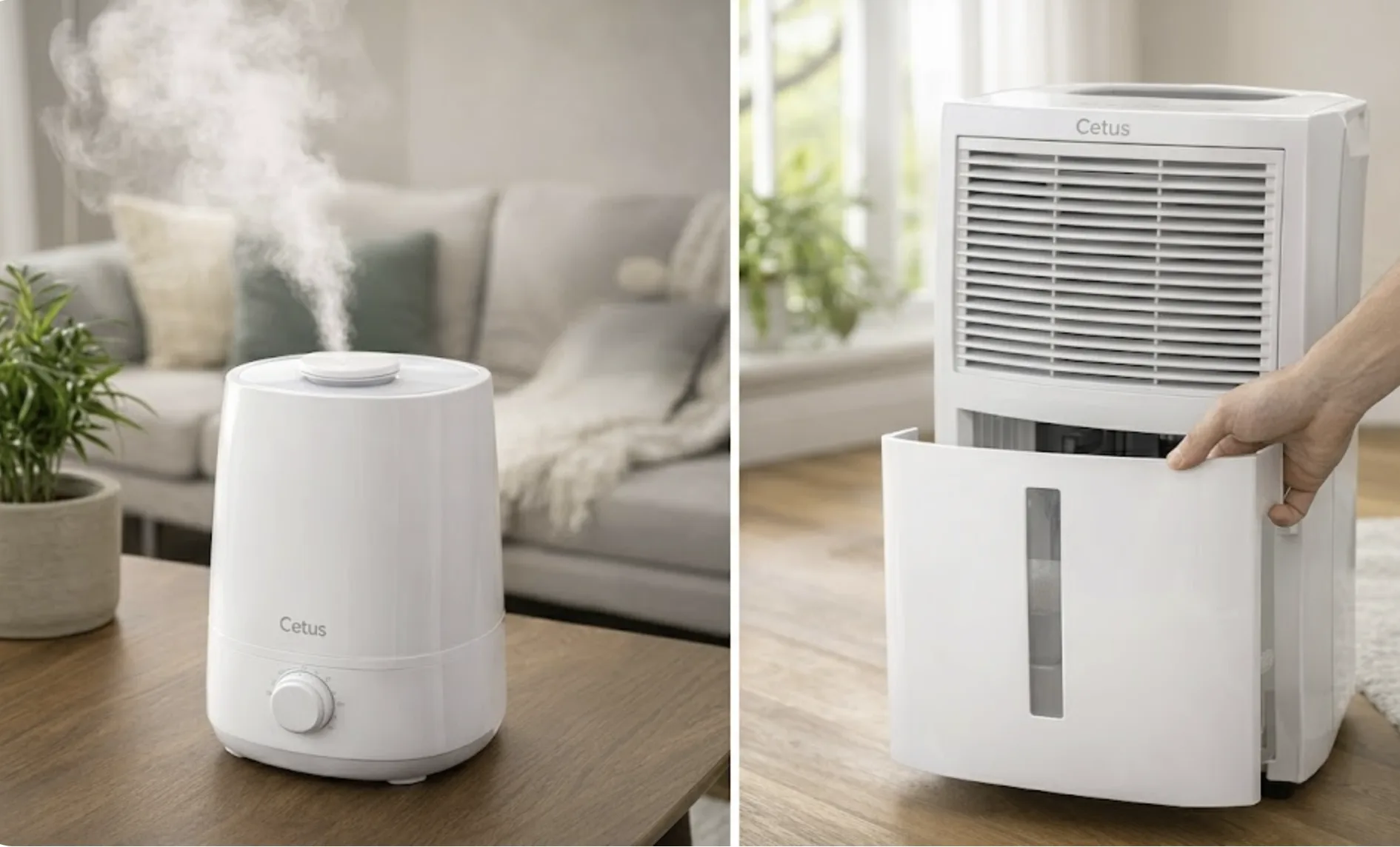
Refrigerant/Compressor Dehumidifiers
These models are generally better suited for handling severe humidity problems because they remove more moisture. Unlike air drawn in through a filter, compressor dehumidifiers allow air to flow through coils similar to a refrigerator’s condenser coil. The treated, dried air is then blown back into the room.
Features include:
Durable, with a lifespan exceeding 10 years.
Energy efficient, typically with lower operating costs.
Suitable for temperatures above 15°C or 59°C.
Refrigerant dehumidifiers are commonly used in homes and small businesses because of their lower operating costs compared to other types of dehumidifiers. They are also popular because they require no special installation or maintenance.
Desiccant Dehumidifiers
Desiccant dehumidifiers use a desiccant wheel made of hygroscopic material to remove moisture from the air. This type of dehumidifier is especially useful after leaks or floods, as it reduces the risk of further water damage and mold growth.
Features include:
Extremely quiet.
Compact and lightweight, easy to move. Ideal for wine cellars and construction sites.
In applications where temperature control is critical, such as industrial settings where food processing is essential, desiccant dehumidifiers are an ideal and reliable solution.
Getting Started: Setting Up Your Home Dehumidifier
Before turning on your unit, proper setup is essential for effective moisture removal:
Step 1: Placing the Dehumidifier
Before using the dehumidifier, you need to place it in the center of the room to allow for adequate air circulation. If the dehumidifier has a top-mounted air outlet, it can be placed against a wall. If using it in a particularly large space, place it near the source of moisture to maximize its effectiveness.
When the dehumidifier is running, always ensure doors and windows are closed and avoid placing it near furniture, as this will severely obstruct airflow.
Check the room for dust and dirt, as this will affect the dehumidifier’s performance. This is especially important in dusty manufacturing and construction sites.
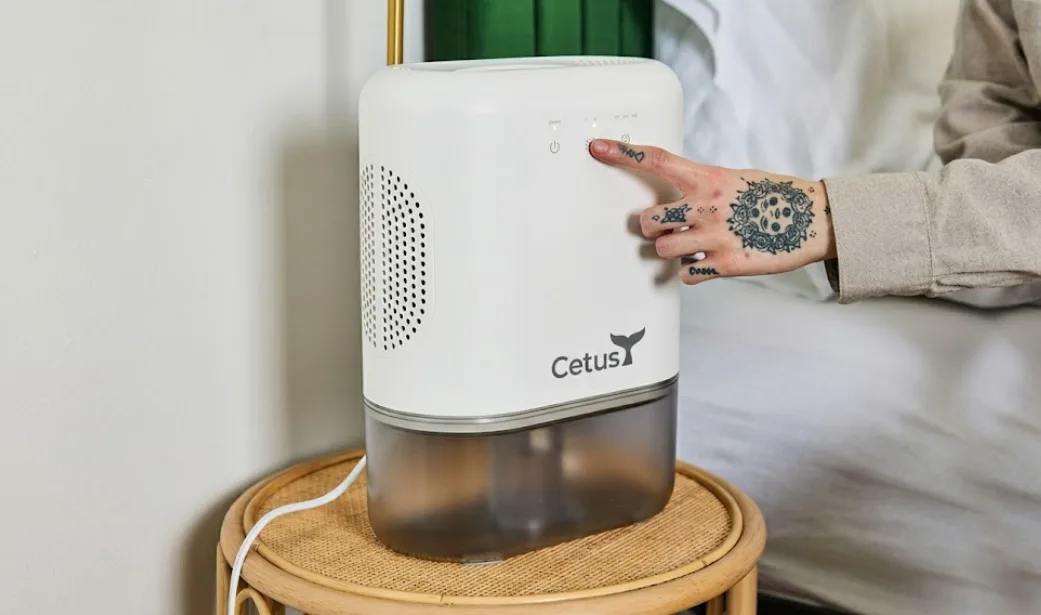
Step 2: Operating and Selecting the Correct Settings
After placing the dehumidifier, turn it on and check the device’s settings.
Ideally, the humidity in your home should be maintained between 30% and 50%. You can monitor the humidity using a hygrometer or the LED display on the dehumidifier’s control panel. Manual dehumidifiers can automatically switch to lower settings when the humidity drops. If you are using an automatic dehumidifier with an energy-saving mode, simply set it to the highest mode and let it automatically switch to the most energy-saving mode when the humidity drops.
Please carefully read the user manual that came with your dehumidifier to ensure proper settings.
Let the device run for the required number of hours.
Step 3: Empty the water tank and clean the filter.
The dehumidifier filter should be cleaned at least every six months to prevent the buildup of dust and other particles. The exterior
of the machine, especially around the air inlet and outlet, also needs cleaning.
You also need to ensure that the water tank is emptied frequently and that the dehumidifier coils are functioning properly.
Step 4: Install a fan to speed up the drying process.
To maximize the dehumidifier’s performance and speed up the drying process, we recommend using an air circulator. You should place the air circulator in a suitable location where it can blow air to the humid area to the maximum extent.
Optimal Settings for Efficient Dehumidifier Use
Adjusting the right settings helps maintain ideal humidity levels:
Set the Ideal Humidity Level
Recommended indoor humidity is between 40%–60%
Use Auto Mode or Humidistat
Allows the unit to maintain consistent humidity automatically
Select Fan Speed Based on Conditions
Higher speed for faster moisture removal, lower for quieter operation
Enable Continuous Mode if Needed
Useful in very damp environments
Maintenance Tips for Long-Term Performance
Regular maintenance ensures your dehumidifier works efficiently:
Clean the Air Filter Regularly:Improves airflow and air quality
Empty the Water Tank Frequently:Prevents overflow and shutdown
Inspect and Clean Coils:Keeps performance consistent
Check Drain Hose for Blockages:Ensures smooth continuous drainage
Store Properly When Not in Use:Keep in a dry, clean space
Common Mistakes Beginners Should Avoid
Avoid these common errors when using a home dehumidifier:
- Placing the unit too close to walls or furniture
- Setting humidity too low, causing unnecessary energy use
- Forgetting regular maintenance
- Using an undersized unit for large spaces
- Running the unit with open windows or doors
FAQ
How long should I run a dehumidifier each day?
Run it until the desired humidity level is reached; many units can operate continuously with auto shut-off.
What humidity level should I set my dehumidifier to?
A range between 40% and 60% is ideal for comfort and mold prevention.
Can I use a dehumidifier in every room?
Yes, but you may need multiple units or move one unit between rooms depending on size.
Do dehumidifiers use a lot of electricity?
Energy use varies, but energy-efficient models help minimize power consumption.
Is it safe to leave a dehumidifier on overnight?
Yes, most modern units are designed for safe, continuous operation.
About Cetus Supplier
We are a leading provider of advanced dehumidification solutions, dedicated to improving indoor air quality for residential, commercial, and industrial applications. Through our official website, we offer:
- Home dehumidifiers for bedrooms, living spaces, and basements
- Commercial and industrial dehumidifiers for warehouses, factories, and large-scale environments
- Customized humidity control systems tailored to specific needs
Our technical advantages include:
- High-efficiency compressor technology for faster and more effective moisture removal
- Smart humidity sensors and automated control systems
- IoT-enabled solutions for remote monitoring and management
- Strict quality control and compliance with international standards
- Energy-saving designs that reduce operational costs
With a strong focus on innovation and reliability, we provide high-performance dehumidifier solutions designed to meet the needs of beginners and professionals alike.