
Is a Dehumidifier Worth It?
When humidity levels rise, many homeowners find themselves wondering if investing in a dehumidifier is truly worth the expense. This versatile appliance offers more than just comfort—it can protect your home, improve air quality, and even save you money in the long run. In this guide, we’ll explore the key advantages of using a dehumidifier, examine the associated costs, and evaluate its efficiency to help you determine whether this investment makes sense for your living space. Whether you’re dealing with persistent dampness, musty odors, or simply want to create a healthier indoor environment, understanding the true value of a home dehumidifier is essential for making an informed decision about your home’s climate control needs.
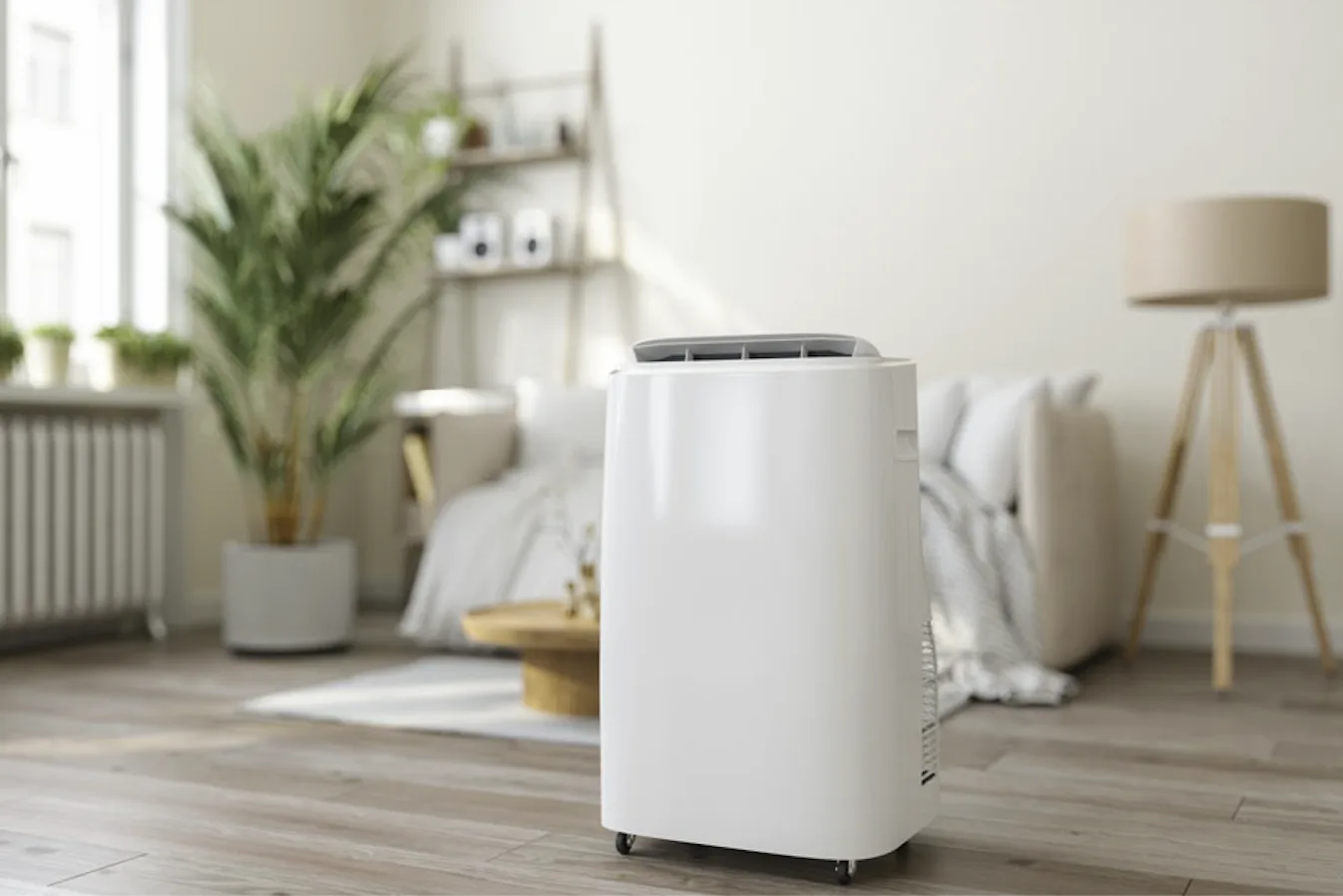
Key Benefits of Using a Dehumidifier
A dehumidifier is a valuable appliance for improving indoor air quality and comfort. By removing excess moisture from the air, it helps prevent mold growth, reduce dust mites, and eliminate musty odors. A home dehumidifier also protects furniture, electronics, and walls from moisture damage. For people with allergies or respiratory issues, maintaining balanced humidity with an air dehumidifier can significantly improve daily comfort and health.
Energy Costs and Efficiency Considerations
Many homeowners wonder if a dehumidifier is worth the energy cost. While it does consume electricity, modern energy-efficient dehumidifiers are designed with smart humidity sensors and auto shut-off features to minimize power usage. Compared to the potential cost of repairing mold damage or replacing damaged belongings, the operating cost of a humidity control system is relatively low and often justified.
When a Dehumidifier Is Most Useful
A dehumidifier is especially useful in environments with high humidity levels. Common use cases include basements, bathrooms, laundry rooms, and coastal or rainy climates. It is also beneficial in homes with poor ventilation or frequent condensation issues. Using a portable dehumidifier in these areas helps maintain ideal humidity levels between 40% and 60%, creating a more comfortable and safe indoor environment.
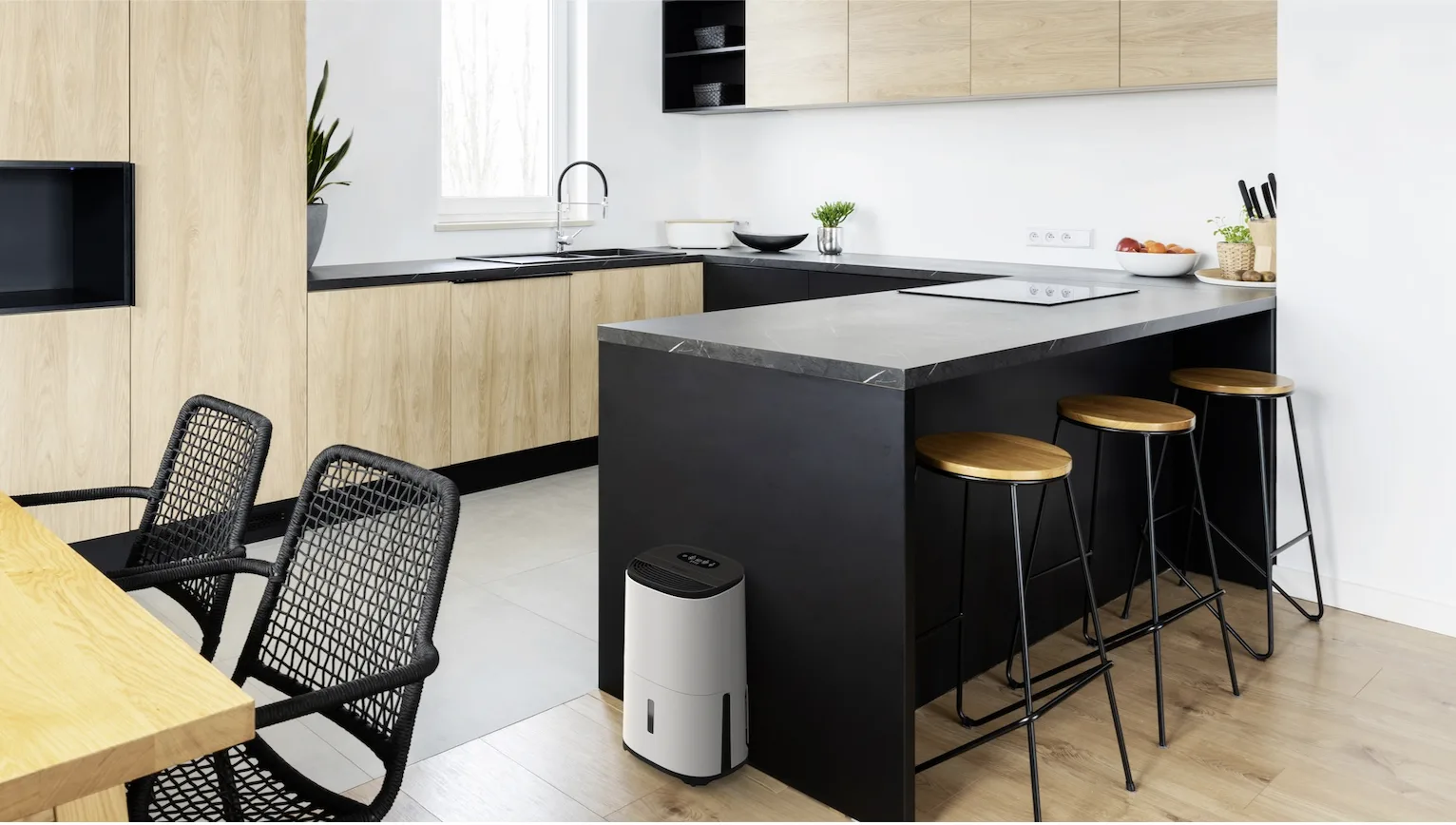
Comparing Dehumidifiers to Other Solutions
Some people consider alternatives like air conditioners or ventilation systems, but a dehumidifier offers more targeted moisture control. While air conditioners can reduce humidity slightly, they are not as efficient at continuous moisture removal. A dedicated moisture absorber machine works independently of temperature control, making it a better solution for year-round humidity management.
Cetus Home Dehumidifiers: Efficient and Reliable Choice
Cetus is a professional brand specializing in advanced air treatment solutions. According to its official website, Cetus offers high-quality household dehumidifiers designed for modern living. Their products feature intelligent humidity control, energy-saving performance, and quiet operation. With large-capacity water tanks and portable designs, Cetus dehumidifiers are suitable for bedrooms, living rooms, basements, and offices. These units provide consistent and efficient moisture removal, making them a reliable choice for improving indoor comfort and protecting your home environment.
FAQ
Is a dehumidifier really necessary at home?
Yes, especially in humid environments where excess moisture can cause mold and discomfort.
How much does it cost to run a dehumidifier?
Costs vary, but energy-efficient models keep electricity usage relatively low.
Can a dehumidifier save money in the long run?
Yes, it helps prevent costly damage from mold, mildew, and excess moisture.
Is a dehumidifier better than an air conditioner for humidity?
Yes, it is more effective for controlling humidity independently of temperature.
How do I know if buying a dehumidifier is worth it?
If you experience dampness, condensation, or mold issues, a dehumidifier is a worthwhile investment.