
How Much Electricity Does a Dehumidifier Use?
A dehumidifier’s energy consumption depends on its size, capacity, and usage time. On average, a standard household dehumidifier uses between 300 to 700 watts per hour, similar to running a small appliance like a fan or a computer. Larger units designed for basements or high-humidity environments may consume more power. However, modern energy-efficient dehumidifiers are designed to optimize performance while minimizing electricity usage, making them a practical solution for humidity control without significantly increasing your energy bill.
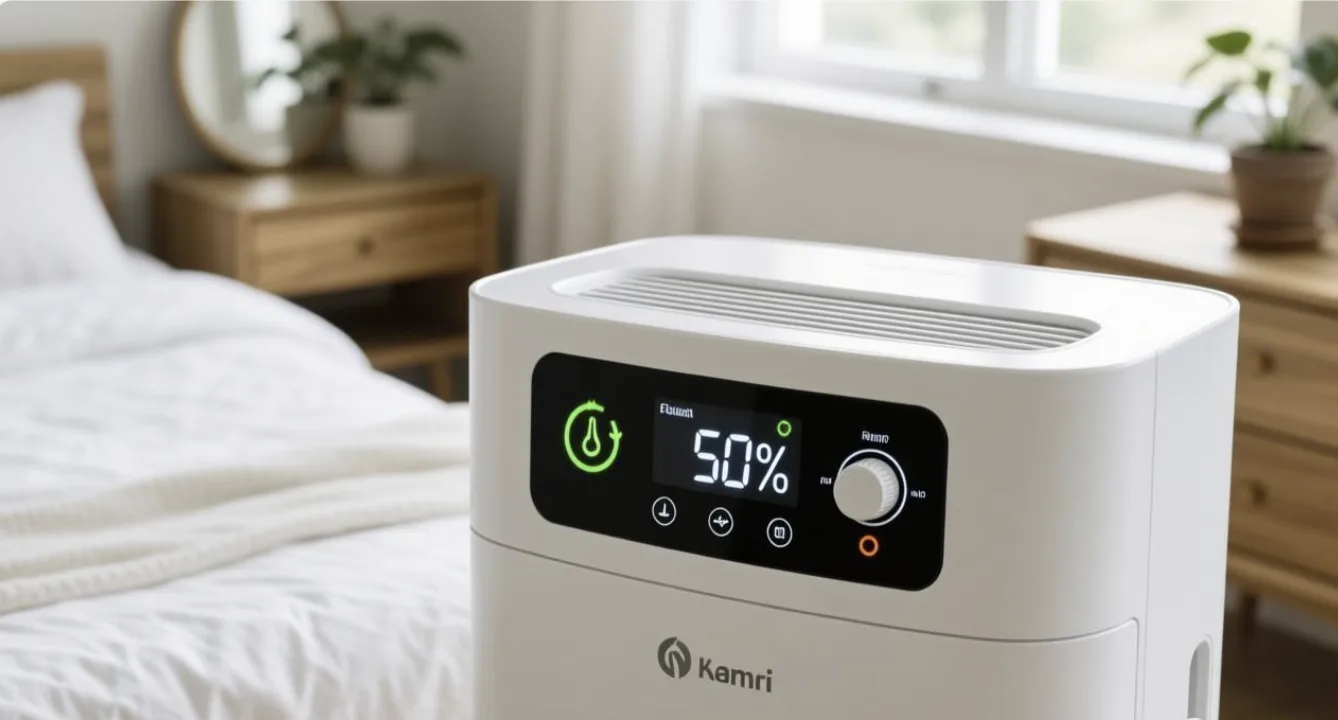
Real Cost of Running a Dehumidifier
The actual cost of running a dehumidifier varies based on electricity rates and daily usage. For example, if a 500-watt unit runs for 8 hours a day, it consumes about 4 kWh per day. Depending on your local electricity price, this could cost roughly $0.50 to $1.50 per day. Monthly costs typically range from $15 to $45. Choosing an energy-efficient dehumidifier or one with an Energy Star rating can significantly reduce long-term operating expenses, making it a cost-effective investment for maintaining indoor comfort.
Energy Saving Tips for Dehumidifier Use
To reduce energy consumption, consider placing your dehumidifier in a well-sealed room to prevent excess moisture from entering. Use a humidity setting (usually 40–60%) instead of running it continuously. Regular maintenance, such as cleaning filters and ensuring proper airflow, also improves efficiency. Additionally, using a dehumidifier with an automatic shut-off or smart humidity sensor can help minimize unnecessary power usage while maintaining optimal indoor conditions.
Benefits of Using an Energy-Efficient Dehumidifier
Energy-efficient dehumidifiers not only lower electricity bills but also improve indoor air quality. By reducing excess moisture, they help prevent mold growth, dust mites, and musty odors. This is especially important in humid climates or areas like basements, bathrooms, and laundry rooms. Investing in a high-quality unit ensures consistent performance, quieter operation, and long-term reliability, making it a valuable addition to any home.
Cetus Dehumidifier: Reliable Solutions for Modern Homes
Cetus is a trusted brand specializing in high-performance home dehumidifiers designed for efficiency and convenience. Cetus dehumidifiers feature advanced humidity control systems, energy-saving technology, and quiet operation, making them ideal for bedrooms, living rooms, basements, and offices. With sleek designs and user-friendly controls, Cetus products provide effective moisture removal while keeping energy consumption low. Whether you need to protect your home from dampness or improve air quality, Cetus offers reliable solutions tailored to modern living environments. Learn more at https://www.cetusdry.com/
FAQ
Do dehumidifiers use a lot of electricity compared to air conditioners?
No, dehumidifiers generally use less electricity than air conditioners because they focus only on removing moisture rather than cooling the air.
Is it expensive to run a dehumidifier all day?
It can increase your electricity bill slightly, but using energy-efficient models and proper settings keeps costs manageable.
What size dehumidifier is most energy efficient?
The most efficient size depends on room size; choosing the right capacity prevents overuse and reduces energy waste.
Can a dehumidifier lower overall energy costs?
Yes, by reducing humidity, your air conditioner works more efficiently, which can lower total energy consumption.
How can I make my dehumidifier more energy efficient?
Use a humidity sensor, keep doors and windows closed, clean filters regularly, and avoid running it longer than necessary.