
When dealing with indoor humidity, many homeowners compare “Dehumidifier vs Air Conditioner” to determine the most effective solution. While both devices can reduce moisture in the air, they serve different primary purposes. Understanding their differences in performance, energy consumption, and application scenarios will help you choose the right option for a more comfortable and energy-efficient home.
How Dehumidifiers and Air Conditioners Work
A dehumidifier is specifically designed to remove excess moisture from the air. It works by drawing in humid air, condensing the moisture, and releasing dry air back into the room. In contrast, an air conditioner primarily cools the air, and dehumidification is only a secondary effect of the cooling process. In the “Dehumidifier vs Air Conditioner” comparison, dehumidifiers offer more precise and efficient humidity control.
Energy Efficiency: Which Option Saves More Power?
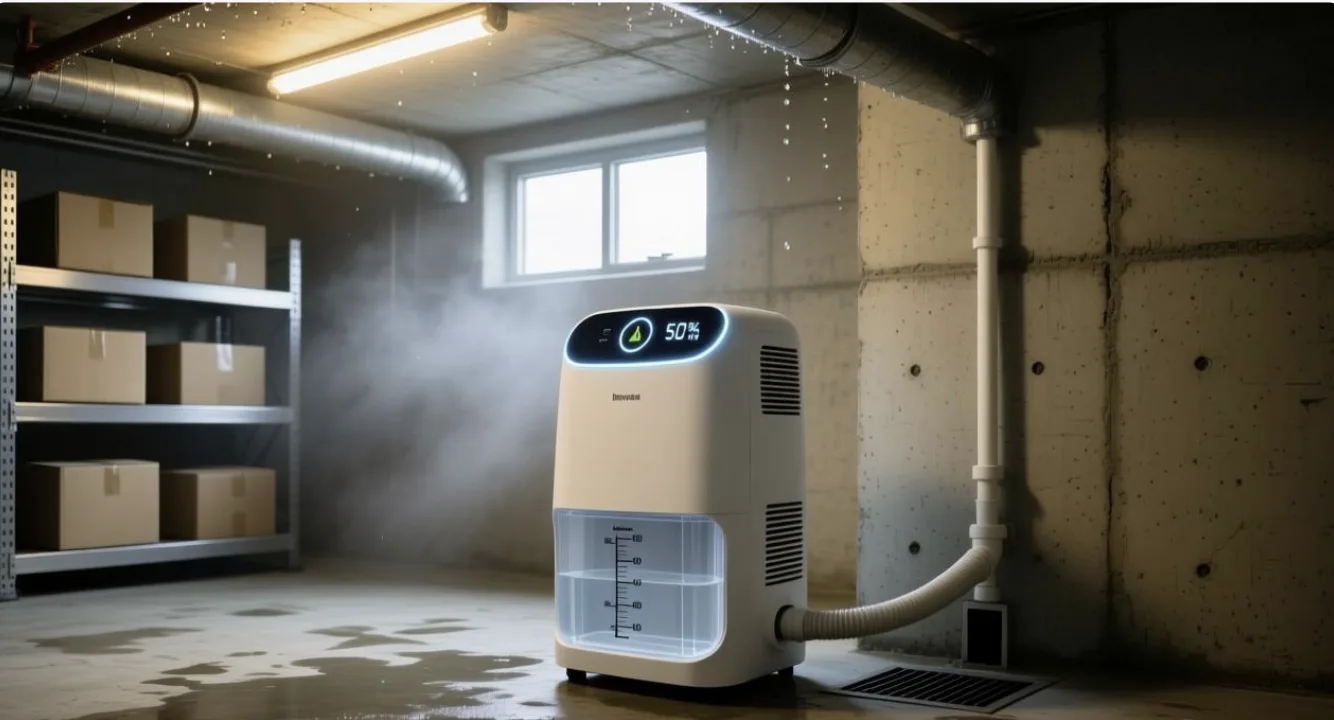
When it comes to energy consumption, dehumidifiers are generally more efficient for moisture control. Air conditioners require significant energy to cool air continuously, while dehumidifiers focus solely on removing humidity, resulting in lower power usage. Especially in mild but humid conditions, choosing a dehumidifier over an air conditioner can significantly reduce electricity costs.
Best Use Cases: Choosing the Right Solution
The choice between a dehumidifier and an air conditioner depends on your environment and needs. In hot and humid climates, an air conditioner can provide both cooling and basic dehumidification. However, for areas like basements, laundry rooms, or storage spaces where humidity is the main concern, a dehumidifier is the better option. In the “Dehumidifier vs Air Conditioner” debate, identifying your primary goal—cooling or moisture control—is key.
Why a Dedicated Dehumidifier Is More Effective
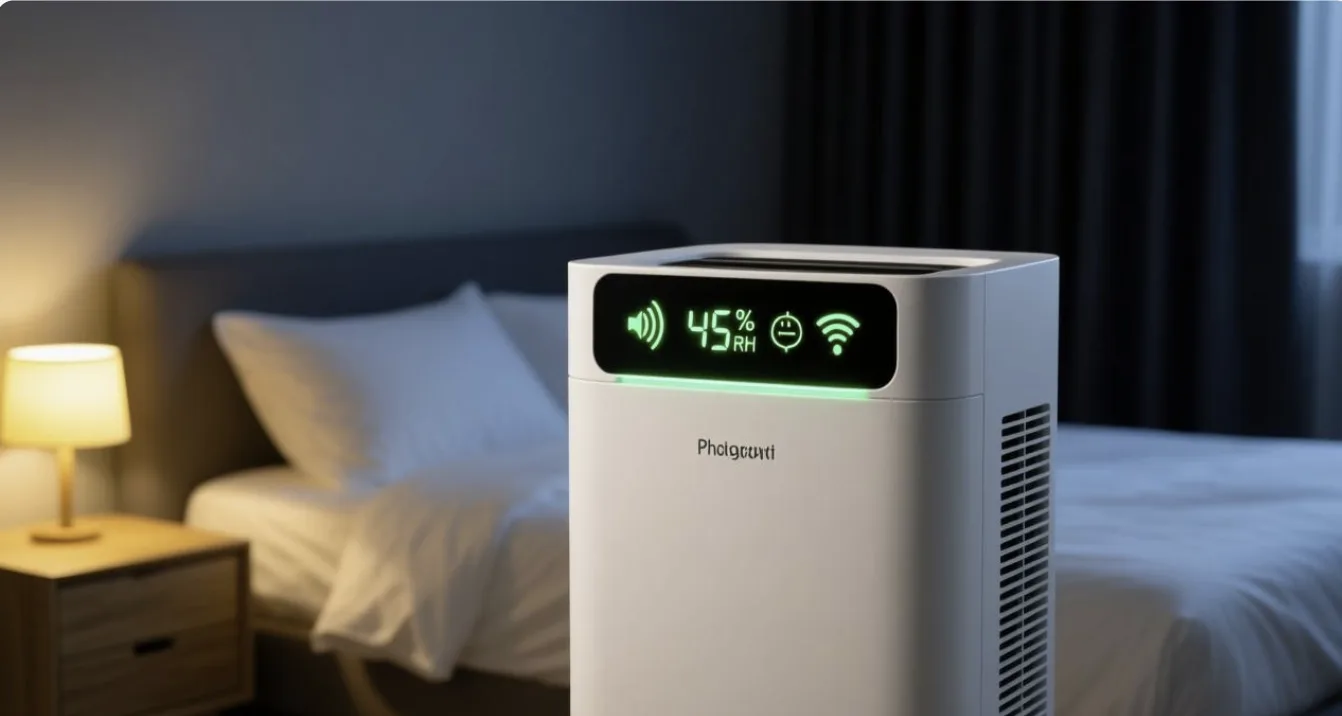
A dedicated dehumidifier is built specifically for long-term humidity management. Modern units often include features such as smart humidity sensors, automatic shut-off, energy-saving modes, and quiet operation. These features make them more efficient and cost-effective for continuous use compared to air conditioners, which may waste energy if used solely for dehumidification.
About CetusDry: Professional Home Dehumidifier Solutions
CetusDry specializes in the development and manufacturing of home dehumidifiers, offering reliable and energy-efficient solutions for indoor humidity control. Their products are designed for a wide range of applications, including homes, basements, bedrooms, and offices.
CetusDry dehumidifiers feature high-performance moisture removal, intelligent humidity control systems, and energy-efficient operation. Many models also include low-noise technology, automatic drainage options, and air purification features, helping create a healthier and more comfortable indoor environment. In the “Dehumidifier vs Air Conditioner” comparison, CetusDry stands out as a professional and cost-effective choice for dedicated humidity control.
FAQ
Is a dehumidifier better than an air conditioner for humidity control?
Yes, a dehumidifier is specifically designed to remove moisture, making it more effective for controlling humidity.
Can an air conditioner replace a dehumidifier?
An air conditioner can reduce humidity to some extent, but it is less efficient and not ideal for long-term humidity control.
Which is more energy-efficient: a dehumidifier or an air conditioner?
A dehumidifier is generally more energy-efficient when the main goal is to reduce humidity rather than cool the air.
Should I use both a dehumidifier and an air conditioner together?
Yes, in hot and humid climates, using both can improve comfort, but it may increase overall energy consumption.
What is the best option for basements or damp areas?
A dehumidifier is the best choice for basements and damp spaces because it provides consistent and effective moisture control.