
As energy costs continue to rise and environmental concerns grow, adopting energy efficient HVAC solutions has become a priority for both homeowners and businesses. In 2026, modern HVAC systems are designed not only to provide heating and cooling but also to optimize energy usage, reduce carbon footprints, and improve indoor air quality. Understanding the latest solutions can help you lower operational costs while maintaining a comfortable environment.
Why Energy Efficiency Matters in HVAC Systems
Energy-efficient HVAC systems consume less power while delivering the same or even better performance compared to traditional systems. This leads to significant cost savings and supports sustainability goals.
Key benefits include:
- Reduced energy bills
- Lower environmental impact
- Improved system lifespan
- Enhanced indoor comfort
For commercial buildings especially, energy efficiency can translate into substantial long-term savings.
High-Efficiency HVAC Technologies in 2026
Several advanced technologies are leading the shift toward energy-efficient HVAC systems:
1. Variable Refrigerant Flow (VRF) Systems
VRF systems adjust refrigerant flow based on demand, allowing precise temperature control and reducing energy waste.
2. Heat Pump Systems
Modern heat pumps provide both heating and cooling with high efficiency, making them a popular choice for residential and commercial applications.
3. Smart Thermostats and Automation
Smart controls use sensors and data to optimize system performance, reducing unnecessary energy consumption.
4. Energy Recovery Ventilation (ERV)
ERV systems recover energy from outgoing air to condition incoming air, improving efficiency and air quality, often working alongside indoor air quality control devices to deliver a healthier environment.
The Role of Humidity Control in Energy Efficiency
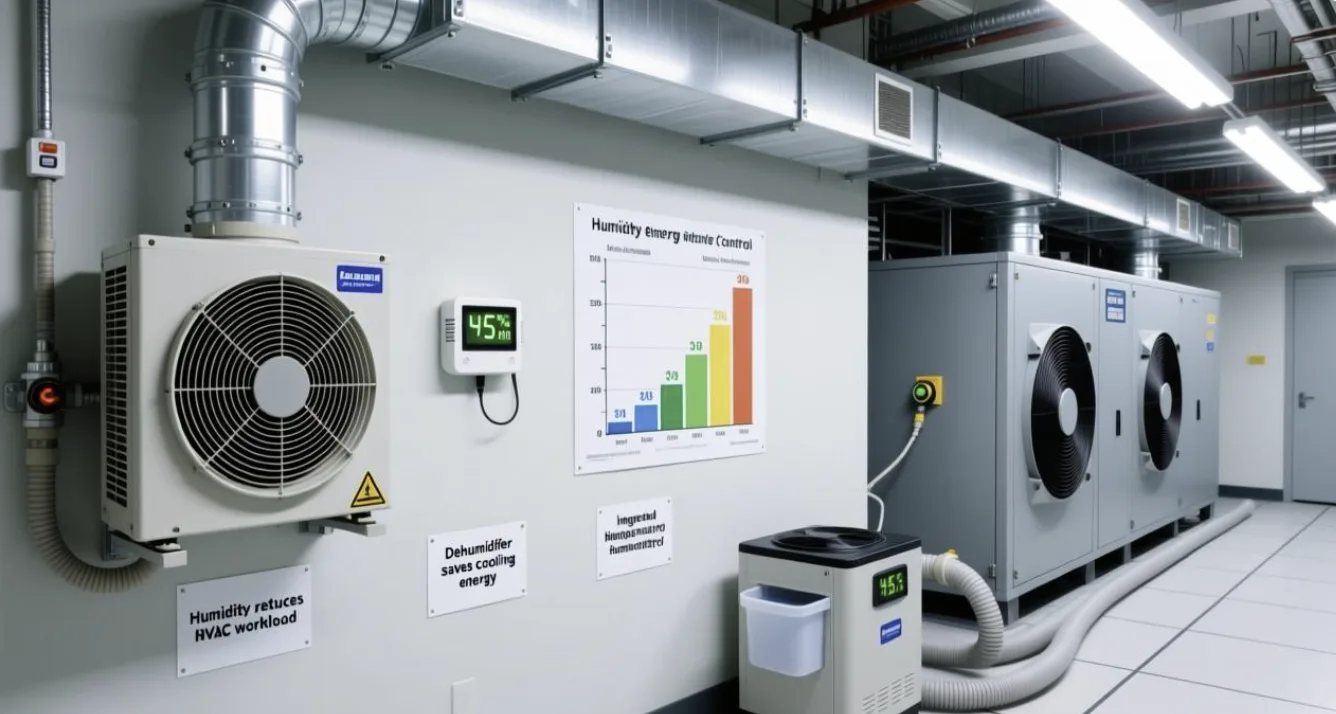
Humidity control is often overlooked but plays a crucial role in HVAC efficiency. High humidity forces HVAC systems to work harder, increasing energy consumption.
Integrating HVAC humidity solutions, such as advanced humidity control equipment and air treatment dehumidifiers, into HVAC setups helps:
- Reduce system workload
- Improve cooling efficiency
- Enhance indoor comfort
This is especially important in humid climates or commercial spaces like hotels, basements, and warehouses, where moisture control directly impacts air quality and building durability.
Best Energy Efficient HVAC Solutions for Different Applications
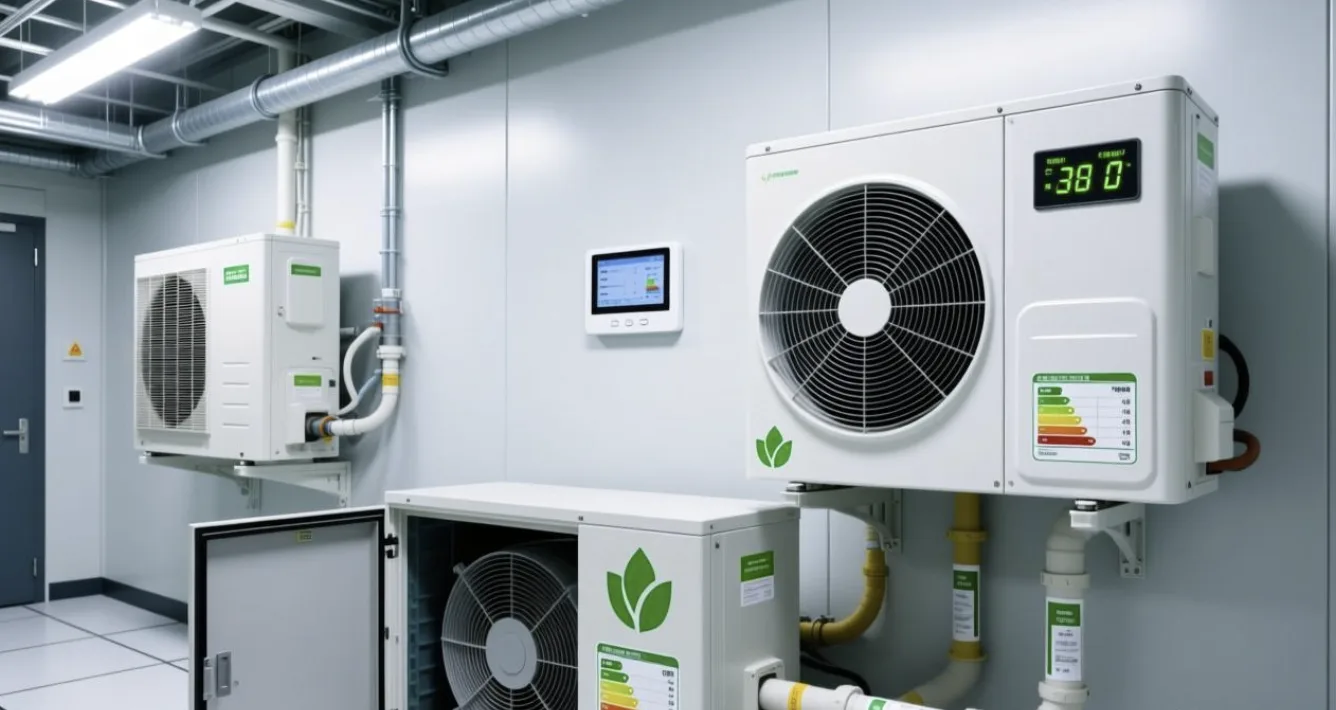
Different environments require tailored solutions:
- Homes: Heat pumps combined with smart thermostats and indoor air quality control devices
- Offices: VRF systems for flexible zone control
- Hotels: Quiet, energy-efficient systems integrated with HVAC humidity solutions
- Industrial Facilities: High-capacity systems with energy recovery and humidity control equipment
Choosing the right solution ensures optimal performance and efficiency.
Tips to Improve HVAC Energy Efficiency
To maximize efficiency:
- Perform regular maintenance and filter replacement
- Seal ducts to prevent energy loss
- Use programmable or smart thermostats
- Combine HVAC systems with air treatment dehumidifiers
- Upgrade to high-efficiency equipment when possible
These practices can significantly reduce energy consumption and extend system lifespan.
FAQ
What is the most energy-efficient HVAC system in 2026?
VRF systems and heat pumps are among the most energy-efficient options available today.
How can I reduce HVAC energy consumption?
Use smart controls, maintain your system regularly, and integrate humidity control equipment for better efficiency.
Does humidity affect HVAC efficiency?
Yes, high humidity increases system workload, making HVAC humidity solutions essential for optimal performance.
Are energy-efficient HVAC systems expensive?
They may have higher upfront costs but provide long-term savings through reduced energy bills.
About Cetus Company
We are a professional manufacturer specializing in advanced HVAC-related solutions, with a strong focus on high-performance air treatment dehumidifiers and humidity control equipment for residential and commercial use.
Cetus product range includes home dehumidifiers, industrial dehumidifiers, and customized HVAC humidity solutions designed to improve indoor air quality and system efficiency.
With advanced manufacturing technology, strict quality control, and continuous innovation, we provide reliable products that function as essential indoor air quality control devices across homes, offices, hotels, and industrial environments—helping customers achieve better comfort, lower energy costs, and sustainable operation.