
Choosing the best HVAC system for commercial buildings in 2026 is a critical decision that directly impacts energy efficiency, operational costs, and occupant comfort. With rapid advancements in technology and increasing demand for sustainability, modern HVAC systems offer smarter, more efficient, and highly customizable solutions for offices, hotels, hospitals, and industrial facilities.
Why Choosing the Right HVAC System Matters
Commercial buildings require HVAC systems that can handle large spaces, fluctuating occupancy, and continuous operation. An inefficient system can lead to high energy bills, inconsistent temperatures, and poor indoor air quality.
A well-selected HVAC system ensures:
- Consistent temperature control across zones
- Lower energy consumption and operating costs
- Improved indoor air quality and occupant comfort
- Long-term reliability with minimal maintenance
Types of HVAC Systems for Commercial Buildings
Understanding the different types of HVAC systems is essential for making the right choice:
1. Variable Refrigerant Flow (VRF) Systems
VRF systems are highly efficient and allow precise temperature control in different zones. They are ideal for office buildings, hotels, and mixed-use spaces.
2. Rooftop Units (RTU)
RTUs are commonly used in retail stores and large commercial spaces. They are cost-effective and easy to install and maintain.
3. Chiller Systems
Chillers are suitable for large-scale facilities such as hospitals and industrial plants. They provide powerful cooling for extensive areas.
4. Split and Packaged Systems
These systems are flexible and can be used in small to medium-sized commercial buildings.
Key Factors to Consider When Buying an HVAC System
Selecting the right system involves evaluating several important factors:
Building Size and Layout
Larger buildings may require centralized systems like chillers, while smaller spaces may benefit from split systems.
Energy Efficiency Ratings
Look for systems with high energy efficiency ratings to reduce long-term operating costs.
Installation and Maintenance Costs
Consider both initial investment and ongoing maintenance expenses.
Climate and Environmental Conditions
The local climate plays a significant role in system performance and selection.
The Role of Energy Efficiency and Smart Technology
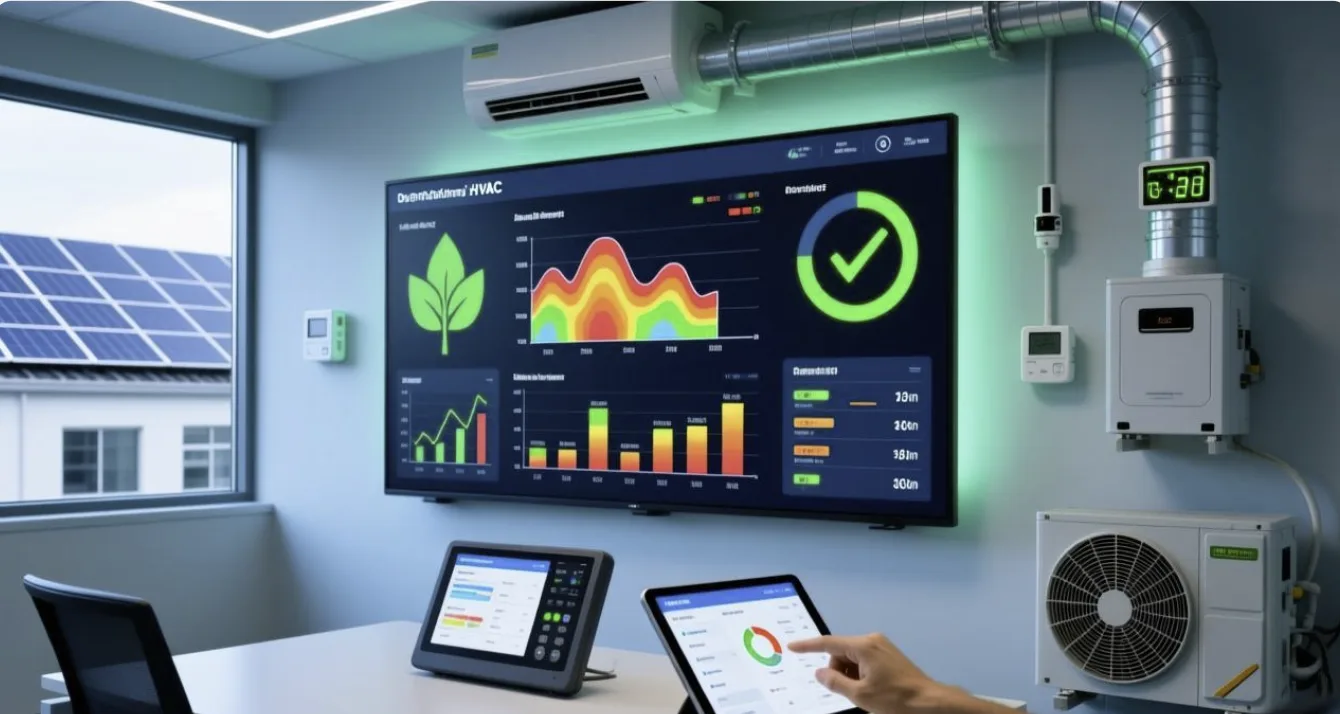
In 2026, energy efficiency and smart integration are essential features of modern HVAC systems. Advanced systems can automatically adjust settings based on occupancy and environmental conditions, reducing energy waste.
In addition, integrating humidity control solutions such as home dehumidifier systems can further improve indoor air quality and system efficiency, especially in humid regions.
Best HVAC Solutions for Different Commercial Applications
Different industries have unique HVAC requirements:
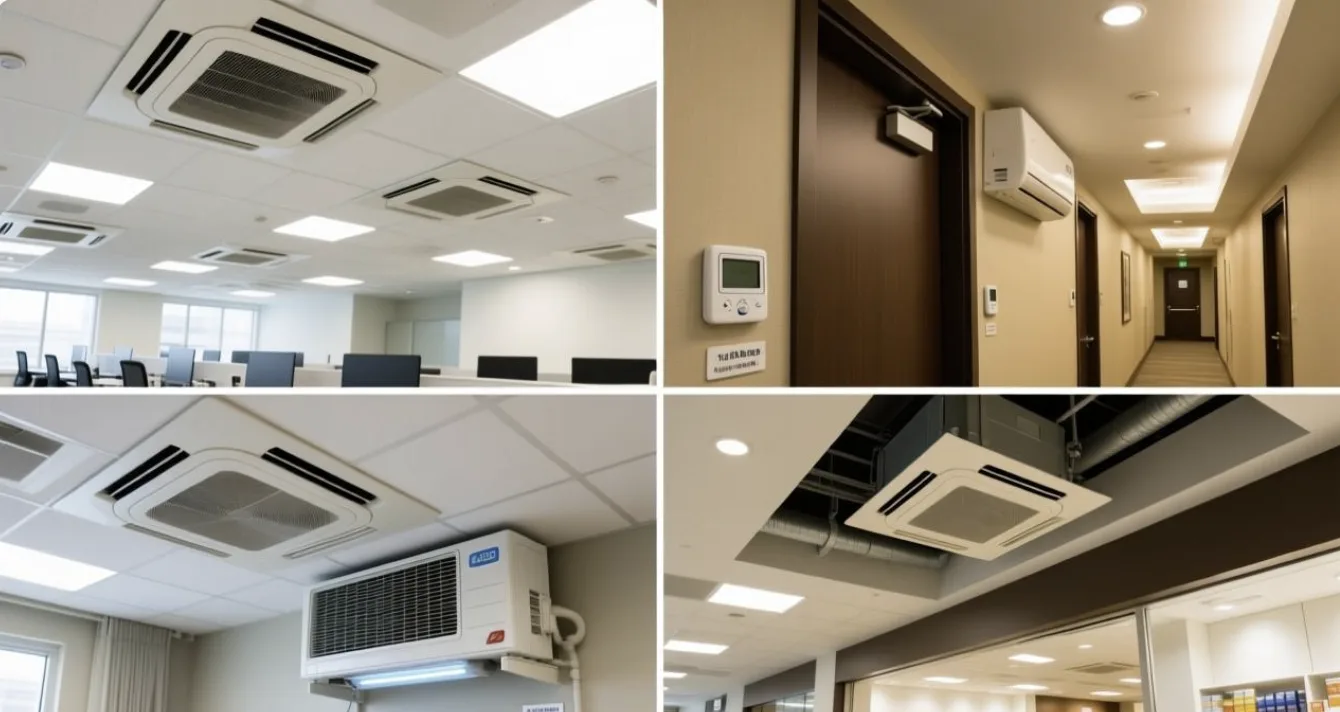
- Office Buildings: VRF or split systems for flexibility and zoning
- Hotels: Quiet, energy-efficient systems with individual room control
- Hospitals: Advanced systems with strict air quality and filtration requirements
- Retail Spaces: RTUs for cost-effective cooling and heating
- Industrial Facilities: Chillers or heavy-duty systems for large-scale operations
Choosing the right system for your specific application ensures optimal performance and comfort.
Tips for Selecting the Best HVAC System
To make the best decision:
- Work with experienced HVAC professionals
- Choose systems with proven reliability and performance
- Consider future scalability and upgrades
- Evaluate total lifecycle costs, not just initial price
A well-informed choice leads to better efficiency and long-term savings.
FAQ
What is the best HVAC system for large commercial buildings?
Chiller systems and VRF systems are commonly used for large-scale applications due to their efficiency and capacity.
How do I choose the right HVAC system for my building?
Consider building size, usage, energy efficiency, and climate conditions before making a decision.
Are smart HVAC systems worth it for commercial use?
Yes, they improve efficiency, reduce costs, and offer better control over indoor environments.
How long do commercial HVAC systems last?
Most systems last 10–20 years with proper maintenance.
About Cetus Dehumidification Technology
We are a professional manufacturer specializing in advanced HVAC-related solutions, including high-performance dehumidification systems for residential and commercial applications. Cetus product portfolio includes home dehumidifiers, industrial dehumidifiers, and customized humidity control equipment designed to enhance indoor air quality and optimize HVAC performance.
With advanced manufacturing technology, strong R&D capabilities, and strict quality control, we provide energy-efficient and reliable solutions that meet the demands of modern commercial environments. Our products are widely used in offices, hotels, warehouses, and industrial facilities, helping customers achieve better comfort, efficiency, and sustainability.