
An HVAC system is more than just an air conditioner or heater—it’s a complete system designed to control indoor temperature, airflow, and air quality. If you’ve ever wondered what equipment is included in an HVAC system, this guide breaks down all the essential components and how they work together to create a comfortable indoor environment.
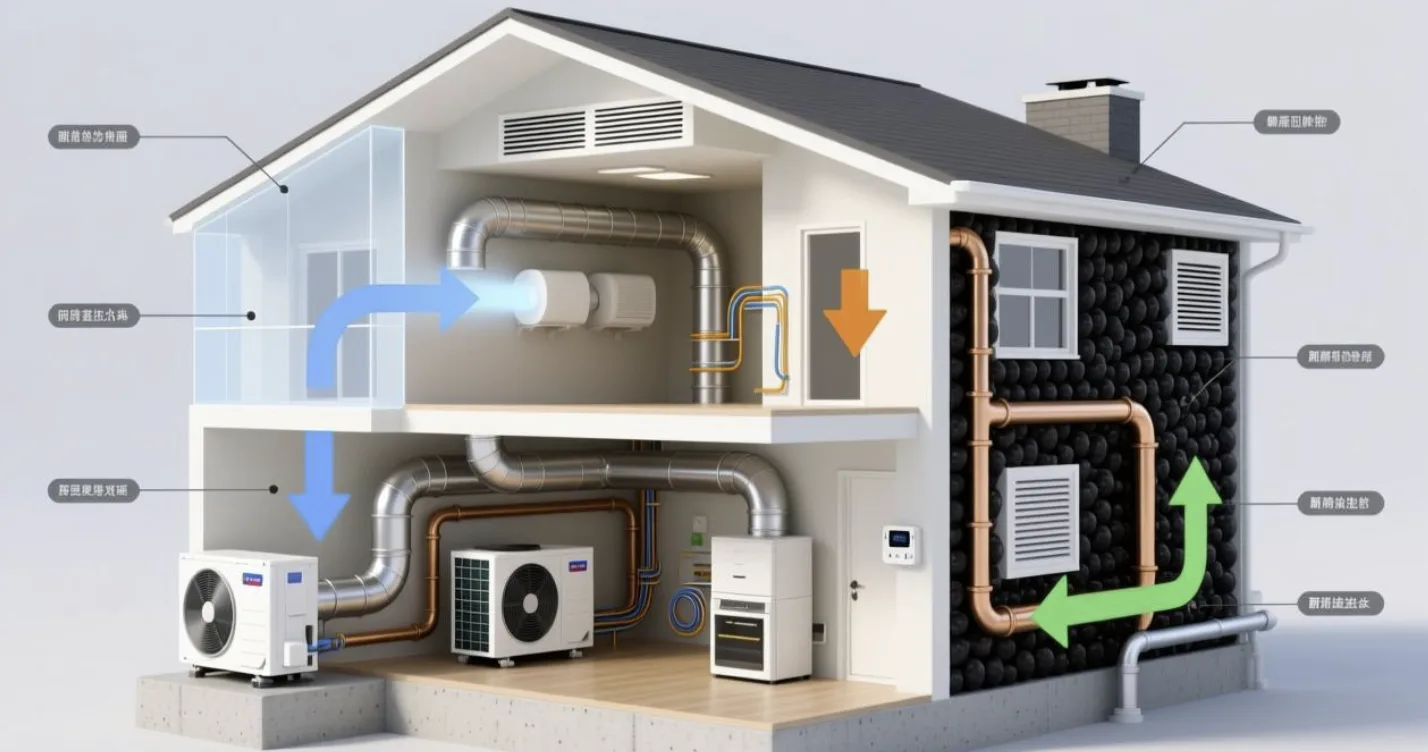
Core Components of an HVAC System
Every HVAC system consists of several key components that handle heating, cooling, and air circulation. These core parts form the foundation of any residential or commercial HVAC setup.
1. Heating Equipment
Heating systems are responsible for keeping indoor spaces warm during colder months. Common types include:
- Furnaces (gas, electric, or oil)
- Boilers
- Heat pumps
These systems generate heat and distribute it throughout the building using ducts or radiators.
2. Air Conditioning Unit
The air conditioning unit is responsible for cooling indoor air by removing heat and transferring it outside. It typically includes:
- Compressor
- Condenser coil
- Evaporator coil
This component is essential for maintaining comfort during hot weather and is one of the most recognized parts of HVAC equipment.
3. Ventilation System
Ventilation ensures fresh air enters the building while stale air is removed. It includes:
- Air ducts
- Vent covers and registers
- Exhaust fans
Proper ventilation improves indoor air quality and helps regulate humidity levels.
Additional HVAC Equipment and Accessories
Beyond the core components, modern HVAC systems often include additional equipment to enhance performance and comfort.
4. Thermostat
The thermostat acts as the control center of the HVAC system. It allows users to set and regulate indoor temperature. Smart thermostats can also improve energy efficiency through automation and remote control.
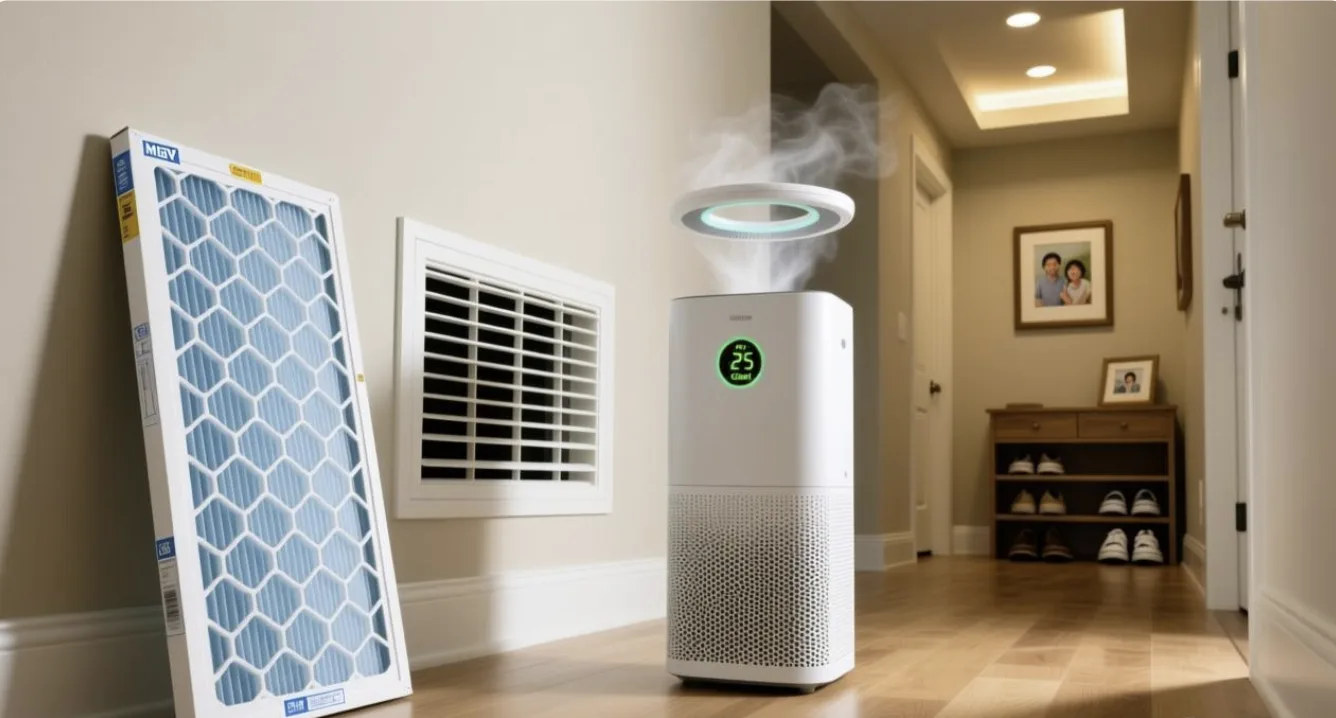
5. Air Filters and Air Purifiers
Air filters trap dust, pollen, and other airborne particles, while air purifiers further improve indoor air quality. Regular maintenance of these components is essential for system efficiency and healthy air.
6. Humidity Control Devices
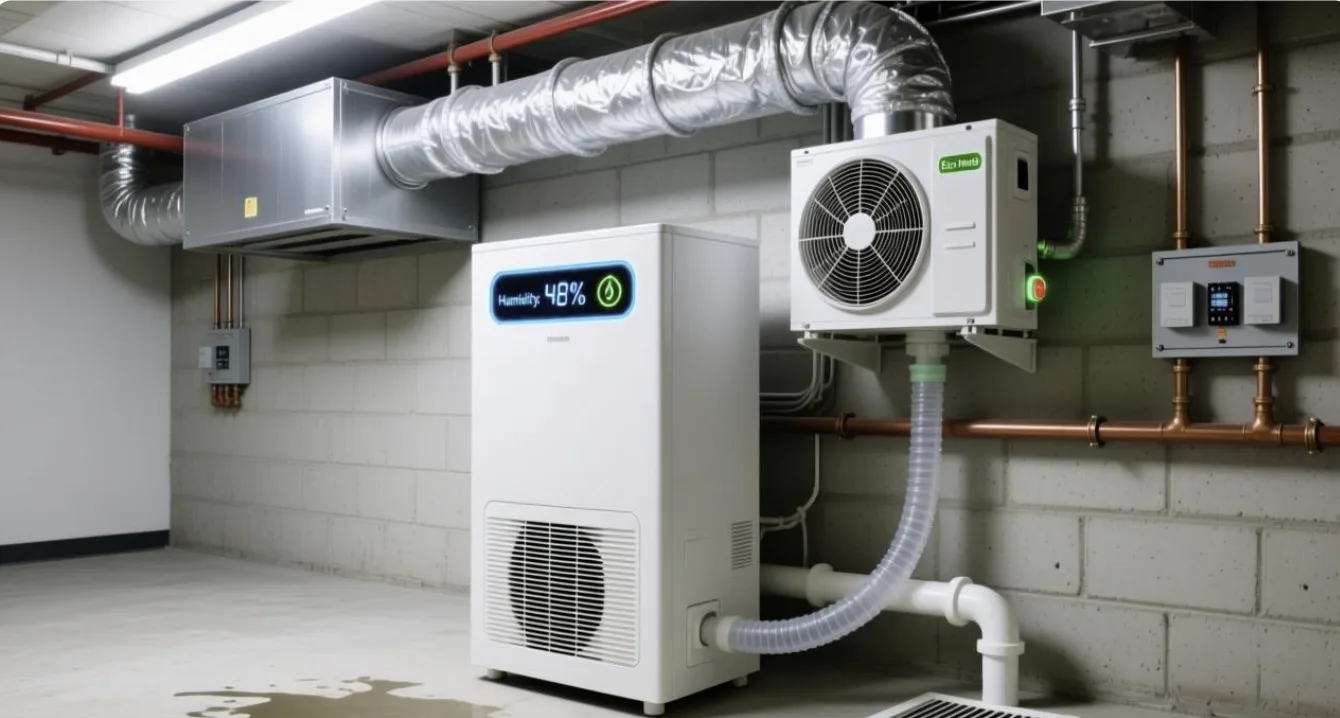
Humidity plays a critical role in indoor comfort. HVAC systems may include humidifiers or work alongside devices like a home dehumidifier to maintain optimal moisture levels. For larger homes, a whole house dehumidifier can be integrated into the system to prevent mold growth and improve air quality.
7. Air Handling Unit (AHU)
The air handling unit is responsible for circulating and conditioning air throughout the system. It contains components like fans, filters, and coils that help regulate airflow and temperature.
How These HVAC Components Work Together
All HVAC equipment works as an integrated system. The thermostat sends signals to the heating or cooling unit, which then conditions the air. The air handling unit distributes this air through ducts, while ventilation systems maintain fresh airflow. Additional components like filters and humidity control devices ensure the air remains clean and comfortable.
Understanding how these components interact helps homeowners better maintain their systems and identify potential issues early.
Why Understanding HVAC Equipment Matters
Knowing what equipment is included in an HVAC system is important for maintenance, troubleshooting, and future upgrades. It also helps you make informed decisions when installing or upgrading your system.
For example, adding a portable dehumidifier in high-humidity areas like basements can significantly enhance system performance and indoor comfort without requiring a full system upgrade.
Final Content
An HVAC system is a combination of multiple components working together to provide heating, cooling, ventilation, and air quality control. From furnaces and air conditioners to thermostats and humidity control devices, each piece plays a vital role in maintaining a comfortable indoor environment.
By understanding the full range of HVAC equipment, you can better maintain your system, improve efficiency, and create a healthier living space.