
Many people use the terms AC (Air Conditioning) and HVAC (Heating, Ventilation, and Air Conditioning) interchangeably, but they are not the same. While both are related to indoor climate control, HVAC is a broader system that includes multiple functions, whereas AC refers specifically to cooling. Understanding the difference can help homeowners and businesses choose the right system for comfort, efficiency, and air quality.
What Is AC (Air Conditioning)?
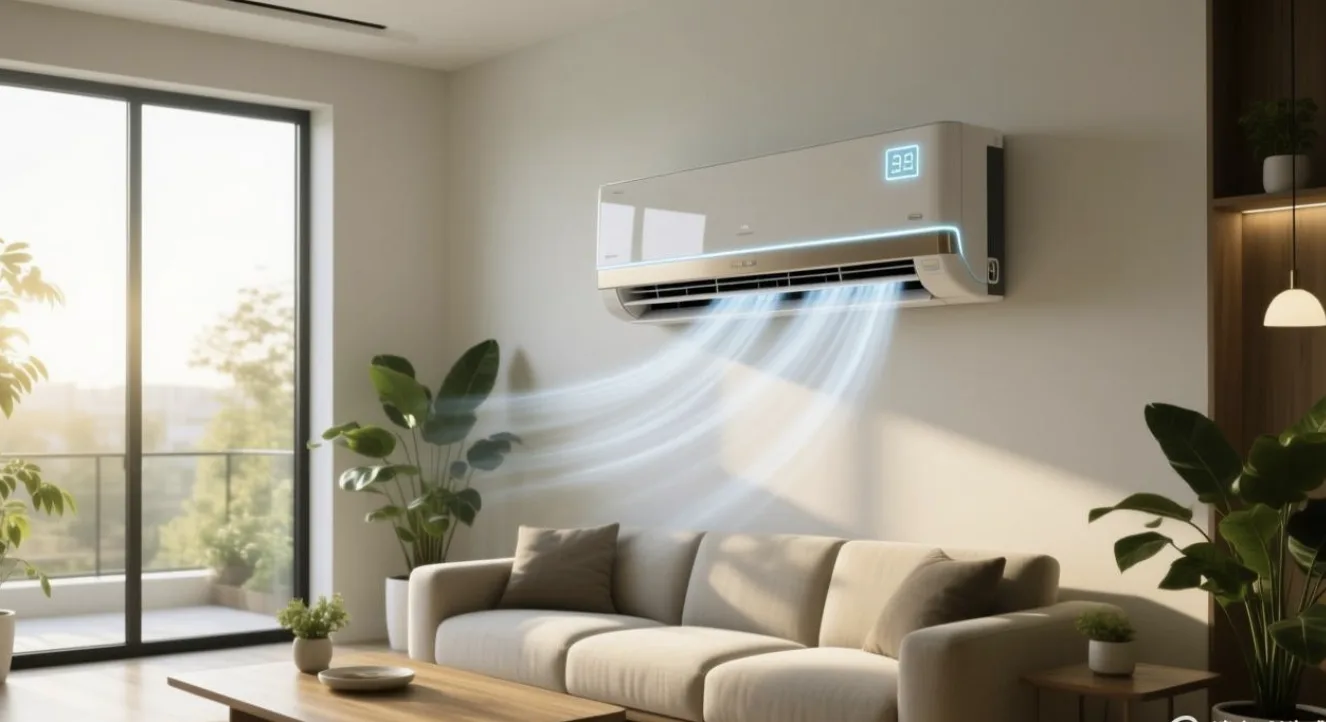
Air conditioning, or AC, is a system designed specifically to cool indoor air. It works by removing heat from inside a building and transferring it outdoors, creating a cooler and more comfortable environment. AC systems are commonly used in homes, offices, and commercial spaces, especially in hot climates.
However, AC systems mainly focus on temperature control. While some units can slightly reduce humidity, they are not designed to fully manage indoor air quality or airflow. This is why many households combine AC systems with additional solutions like a home dehumidifier or portable dehumidifier to better control moisture, prevent mold growth, and improve overall comfort.
What Is HVAC?
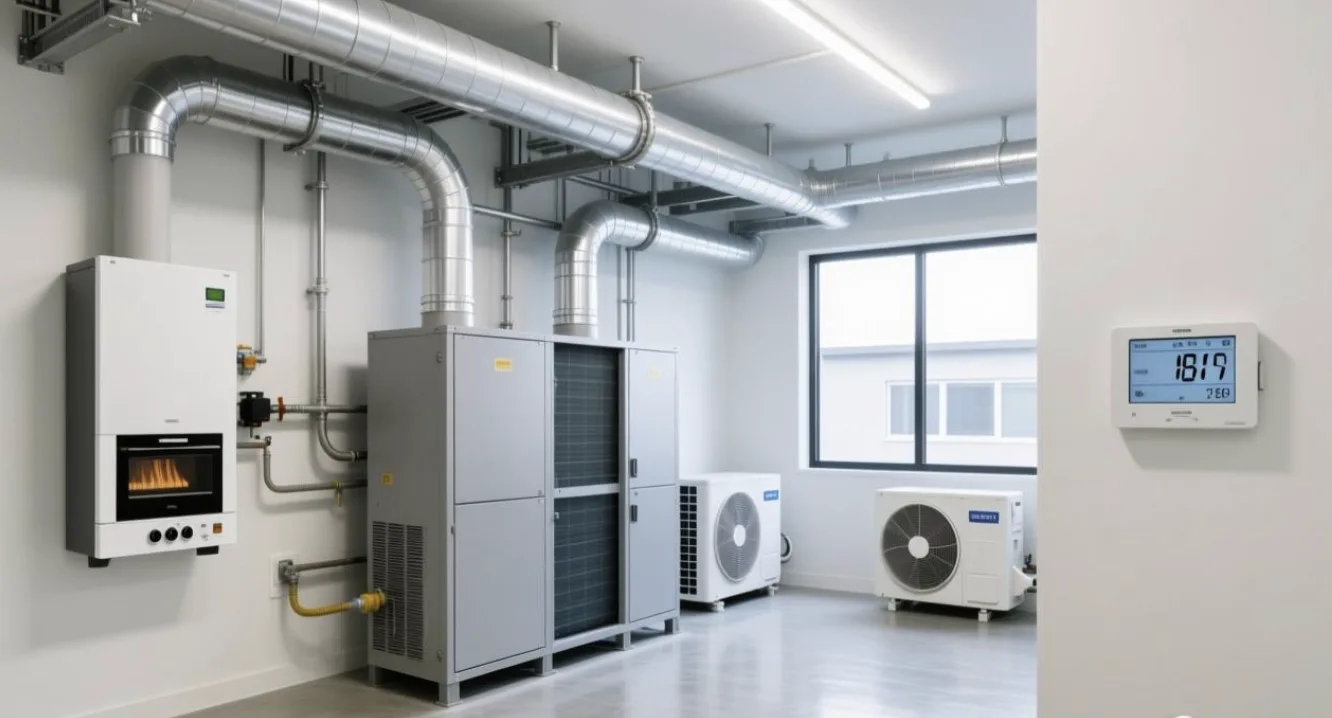
HVAC stands for Heating, Ventilation, and Air Conditioning, which means it covers a complete range of indoor climate control functions. In addition to cooling (like AC), HVAC systems also provide heating and proper ventilation.
- Heating keeps indoor spaces warm during cold seasons
- Ventilation ensures fresh air circulation and removes stale air
- Air Conditioning cools the air during hot weather
Because HVAC systems manage temperature, airflow, and humidity together, they offer a more comprehensive solution for maintaining indoor comfort and air quality. In many cases, integrating a whole house dehumidifier can further enhance humidity control within an HVAC system.
Key Differences Between AC and HVAC
The main difference between AC and HVAC lies in their scope and functionality:
- Functionality: AC only cools the air, while HVAC includes heating, cooling, and ventilation
- System Complexity: AC is a single-purpose system; HVAC is an integrated system
- Air Quality Control: HVAC systems are better at improving indoor air quality
- Usage: AC is often used in simpler setups, while HVAC is used in both residential and commercial buildings for full climate control
In short, AC is a part of HVAC, but HVAC is not limited to just air conditioning.
Which One Should You Choose?
Choosing between AC and HVAC depends on your needs. If you only require cooling during hot seasons, a standalone AC system may be sufficient. However, if you want year-round comfort, better air circulation, and improved air quality, an HVAC system is the better investment.
For optimal indoor conditions, many homeowners also enhance their systems with devices like a basement dehumidifier, air purifiers, or smart thermostats to create a healthier and more energy-efficient living environment.
Conclusion
Understanding the difference between AC and HVAC helps you make smarter decisions when selecting climate control solutions. While AC focuses on cooling, HVAC provides a complete system for managing temperature, airflow, and humidity.
Cetus is a professional manufacturer specializing in the research, development, and production of home and commercial dehumidifiers, dedicated to providing efficient humidity control solutions for global customers.