
What is a Dehumidifier? What does a dehumidifier do?
A dehumidifier is a specialized household appliance designed to remove excess moisture from indoor air. It effectively maintains indoor humidity at an optimal level (typically 30-50%), meeting the needs for human comfort, mold prevention, and the preservation of goods. By controlling humidity, it prevents food spoilage and eliminates persistent musty odors.
How it Works: The device draws in damp air, condenses the moisture onto internal cooling coils, and then releases dry, comfortable air back into the room.
Why You Need a Dehumidifier?
Health Benefits: Improves air quality by reducing allergens such as mold, mildew, and dust mites.
Prevent Property Damage: Protects your home from peeling paint, warping wood, and rusting electronics caused by high humidity.
Enhanced Comfort: Eliminates the sticky, “muggy” feeling in the air for a more pleasant living environment.
Pest Control: Minimizes the moisture that attracts unwanted insects and spiders.
Energy Efficiency: Makes the air feel cooler, allowing you to reduce air conditioning run time and save on energy bills.
When to Use a Dehumidifier?
Basements and Crawl Spaces: Ideal for areas prone to high humidity and persistent dampness.
Bathrooms and Laundry Rooms: Essential for lowering humidity levels after showers or laundry cycles.
Signs of High Humidity: Use when you notice condensation on windows, smell musty odors, or spot visible mold growth.
Post-Flooding Recovery: Helps quickly dry out rooms and structural materials following leaks or water damage.
What You Need to Know Before Buying a Dehumidifier?
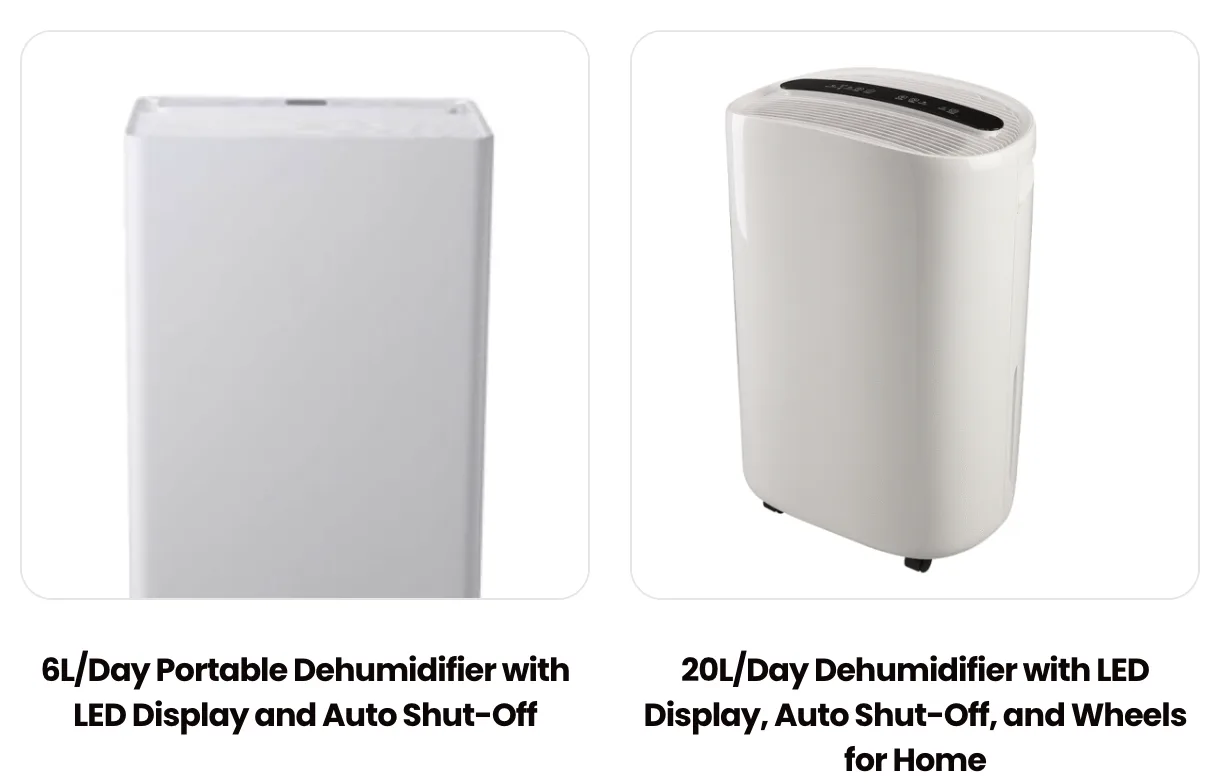
Some humidity problems can be alleviated without a dehumidifier, and may even require one. For others, here’s how to choose the right dehumidifier for your space.
Solving Existing Problems
Even the best dehumidifiers may not be effective if too much moisture seeps in from outside. Clearing drains and ensuring that downpipes carry rainwater at least 5 feet (about 1.5 meters) away from the house can help. Keeping doors and windows closed will also prevent humid air from entering the room.
Choosing the Right Dehumidifier for Your Space
Refer to our cetus dehumidifier size guide—which includes step-by-step instructions and handy diagrams—to help you determine the ideal model for your space. Generally, choosing a slightly larger dehumidifier will yield better results.
If you plan to place a dehumidifier in your bedroom, consider noise levels and choose a model that operates quietly. To narrow down your choices, you can consider purchasing one of the quietest dehumidifiers we’ve tested. All of these dehumidifiers perform excellently overall.
Consider Tank Capacity
Dehumidifiers with smaller tank capacities (less than 15 pints) require more frequent tank emptying than those with larger capacities. If this is a concern, pay special attention to tank capacity when reviewing the specifications in our dehumidifier rating table.
Determine if a Drain Pump is Needed
The most convenient way to drain a dehumidifier is with a drain pump. CR’s ratings will indicate which models are equipped with a drain pump. Misha Kollontai, the engineer responsible for our dehumidifier testing, states that a drain pump can also discharge water to a higher level, which is a very useful feature for basements.
Cetus Dehumidification Solution
We, Cetus, are a professional manufacturer specializing in the research, development, and production of small and medium-sized dehumidifiers. We are committed to providing efficient, energy-saving, and reliable dehumidification solutions for homes, offices, and commercial spaces. If you have any questions, please feel free to contact us directly.